
Creating the perfect music studio in your basement can feel like a daunting task. Trust me, I get it. You want a space that not only inspires creativity but also sounds great. That’s why I put together this post—it’s all about helping you transform your basement into a functional music studio, tailored for your unique style and needs.
If you’re a budding musician, a home recording enthusiast, or simply someone looking to enhance their music production skills, this guide is for you. You care about sound quality, comfort, and having a space that reflects your personality. You want a music studio that’s more than just a room—it should be your creative haven.
In this post, you’ll discover ten practical basement music studio ideas that will elevate your home recording setup. From effective *soundproofing techniques* to clever *acoustic paneling*, I’ll share tips that make your space not only sound professional but also feel inviting. You’ll also find creative design ideas that blend functionality with style, ensuring your studio is a place where you’ll love to spend time. Let’s get started on shaping your dream music space!
Key Takeaways
– Explore DIY acoustic paneling methods to control sound and enhance your studio’s audio quality without spending a fortune.
– Implement effective soundproofing techniques to minimize external noise and create a peaceful recording environment.
– Discover creative lighting solutions that inspire your creativity while making your space feel warm and inviting.
– Choose functional furniture that improves comfort during long recording sessions and helps you stay organized.
– Learn how to manage cables effectively to keep your studio tidy and free from distractions, enhancing your workflow.
1. DIY Acoustic Paneling for Sound Control

DIY acoustic panels shape your studio’s sound and style. They dampen reflections, making recordings clearer and more direct. You can build frames from wood and wrap foam with fabric in colors that match your space. As seen in Pinterest-inspired home studios, bold textiles can blend with sound control for a warm, designed look.
Place panels at ear level for best absorption along your listening path. Start with corners and walls where sound tends to bounce the most. This budget-friendly approach lets you tailor the setup without losing style. Mixing colors or textures gives a personalized vibe that still reads as professional.
• Use dense acoustic foam panels wrapped in fabric for absorption
• Choose corners and walls where reflections occur for placement
• Pick colors that complement your decor while hiding seams
• Add wooden frames for a polished studio look
These panels clear sound while adding a personal, stylish touch.
2. Soundproofing Techniques for Ultimate Isolation

Soundproofing creates a quiet, focused space in a basement studio. It stops noise from traveling to other rooms and helps you capture cleaner tracks. You can add mass to walls with materials like mass-loaded vinyl or dense drywall. Even simple measures like thick curtains and rugs can make a real difference.
Small steps pay off quickly: seal gaps around doors and windows. Add mass to walls with MLV or dense drywall when possible. Lay down rugs to soak up impact noise and footfalls. If you need full isolation, a room within a room can help and can be budget friendly.
• Use weather stripping to seal doors tightly and airtight
• Choose mass-loaded vinyl for heavy sound blocking in walls
• Pick heavy curtains to block outside noise and light
• Add window inserts to boost window isolation and blocking
With these steps, your basement stays quiet and ready for focus.
Soundproofing isn’t a luxury in basement music studio ideas—it’s your quiet partner for cleaner takes. Seal door gaps, add mass with MLV or dense drywall, and lay down a rug or thick curtains—small steps that deliver real isolation, fast.
3. Creative Lighting for Inspiration
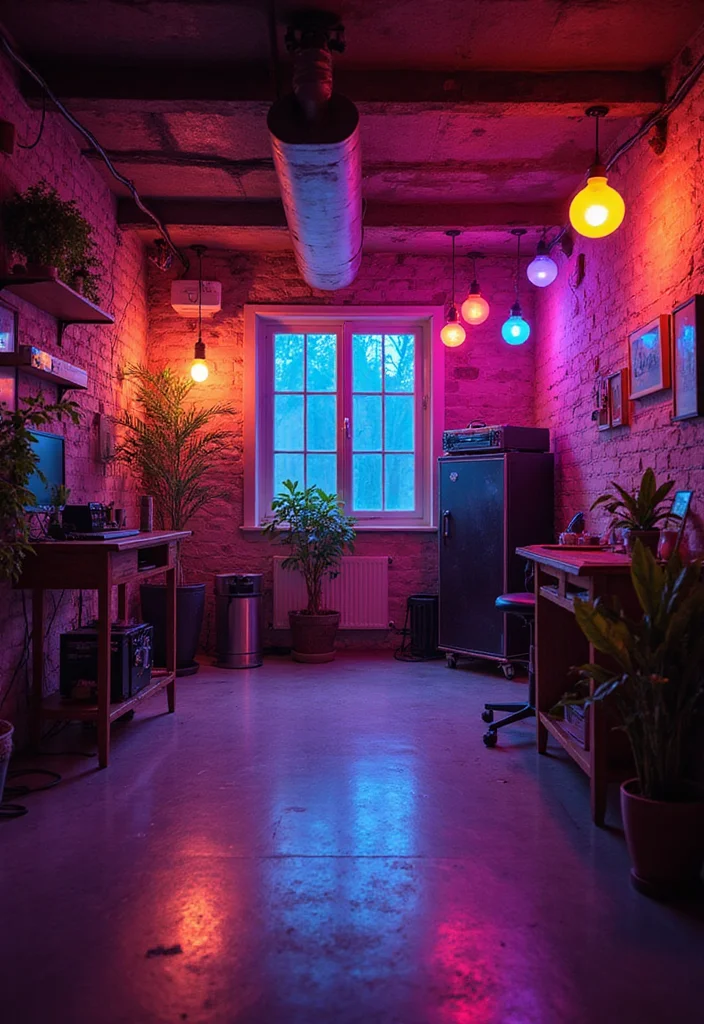
Lighting sets the mood and sparks imagination in a basement studio. Layering different lights makes the room feel bigger and more inviting. LEDs, warm bulbs, and vintage lamps give you multiple moods to switch between. Pinterest loves these layered setups in real home studios.
Start with dimmers so you can tune brightness. Mix sources to add depth and reduce glare. Place task lighting over the mixing area for precision. Look for budget options like string lights or secondhand lamps to stay on plan.
• Use dimmable LEDs to set the mood easily
• Choose warm color temperatures for a relaxed vibe
• Pick string lights for a playful glow
• Add over-workspace task lighting for clarity
Layered lighting can turn a plain basement into a creative haven.
4. Functional Furniture for Comfort
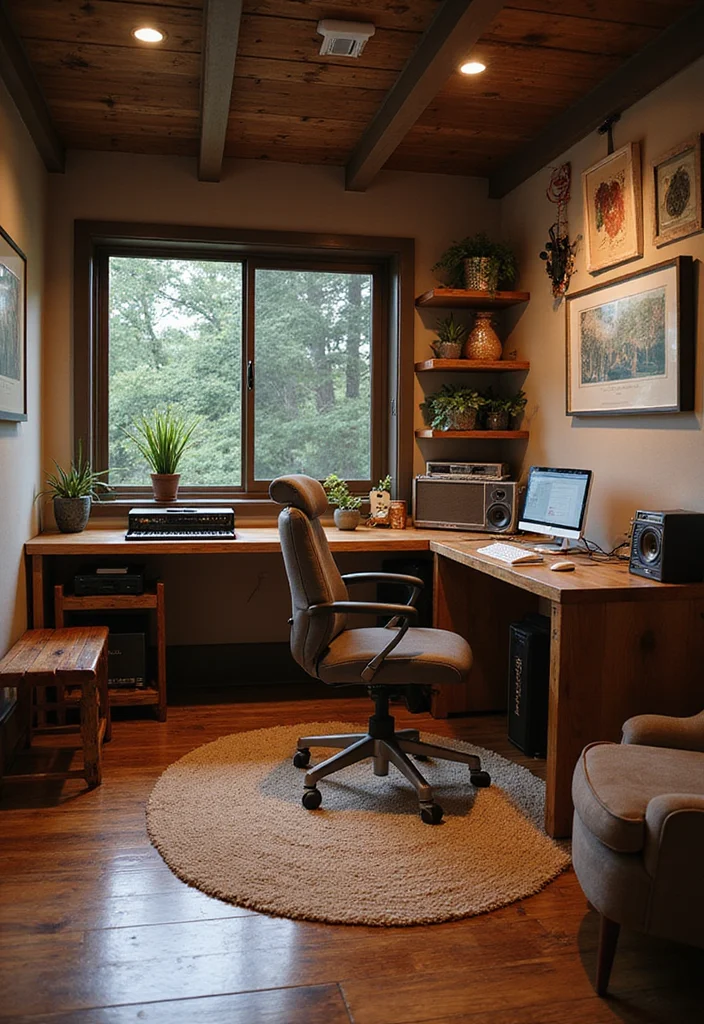
Functional furniture makes long sessions comfy and efficient. A sturdy desk anchors your gear and reduces wobble. Ergonomic chairs save your back after hours of mixing. A small sofa or lounge invites quick breaks, making the space a true studio refuge.
Keep a height-adjustable desk for comfort. Use shelving to organize cables and gear without clutter. A coffee table nearby holds notebooks and snacks. A smart arrangement blends form and function, helping you stay productive.
• Use a sturdy desk that remains stable during sessions
• Choose an ergonomic chair for long mixing days
• Pick a comfy lounge chair for breaks
• Add open shelves to keep gear organized
Great furniture setup keeps you focused and at ease.
5. Artwork and Personal Touches
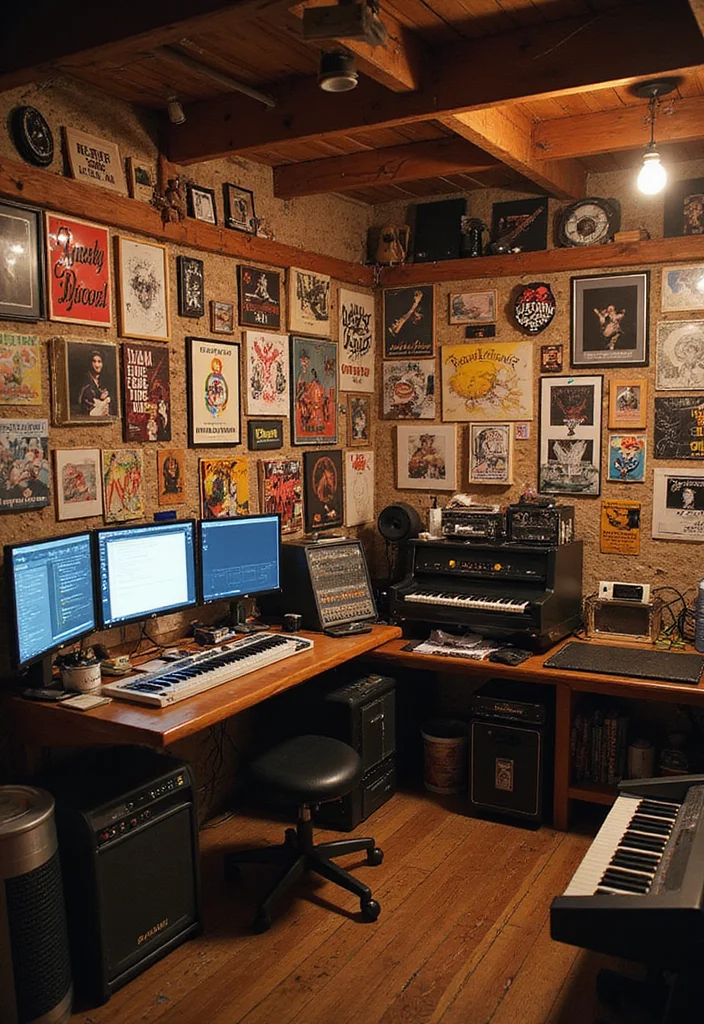
Artwork gives your studio personality and lightness. Framed album posters or original soundscapes add color and focus. A gallery wall adds texture and can absorb some reflections. Personal touches like awards or memorabilia stay motivating.
Try a gallery wall of your top tracks and albums. Use cork boards to pin lyrics or quick ideas. Personal shelves with instruments create a lived-in vibe. These details turn a room into a true creative hub.
• Use album posters to reflect your taste and energy
• Create a gallery wall with music posters and frames
• Pin lyrics on cork boards for quick inspiration
• Display instruments and memorabilia to personalize the space
Let these touches reflect your journey and keep you inspired.
Artwork and personal touches are essential in basement music studio ideas—turning a space into daily inspiration. A gallery wall of your top tracks and album posters makes the space feel alive—and easier to focus. Keep cork boards for lyrics and quick ideas to stay in the moment during sessions.
6. Multi-Purpose Areas for Different Activities

Multiple zones let you record, practice, and write without fighting for space. A dedicated recording corner stores gear and keeps sound tidy. A practice area tunes you up and builds rhythm. A cozy writing nook invites ideas between takes.
Define each zone with rugs or furniture so sounds stay separate. Choose collapsible furniture you can move when needed. Use curtains or dividers to shape private spaces. Make sure every area has at least basic sound treatment.
• Use collapsible furniture to reconfigure space for different tasks
• Place room dividers to create flexible, visible zones
• Ensure each area has sound treatment for performance
• Define zones with rugs to reduce echoes and clutter
A clear layout keeps you focused and productive.
7. Quality Gear for a Professional Sound
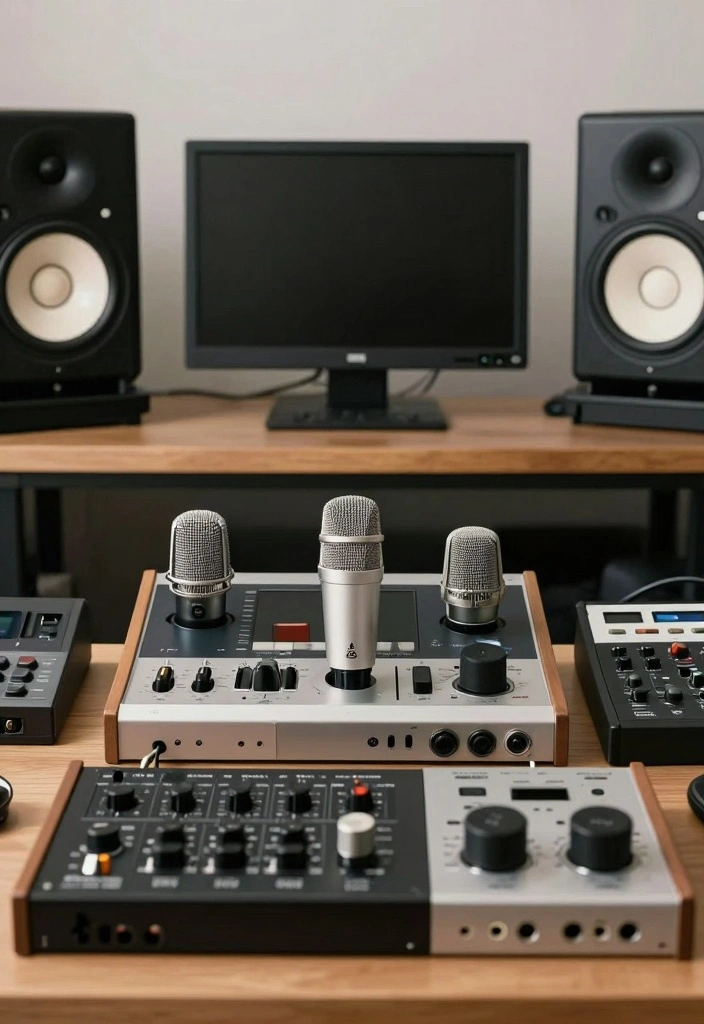
Investing in the right gear changes the way you hear your music. A solid mic, interface, monitors, and headphones set the base for clean recordings. Look for versatile gear that fits your budget. Your setup will sound more polished and confident when tools match your needs.
Use a condenser mic for vocals and instruments. Choose an interface with clean preamps and low latency. Pick studio monitors for accurate sound in space. Add closed-back headphones for silent monitoring.
• Use a condenser mic for vocals and instruments
• Choose an interface with clean preamps and low latency
• Pick studio monitors for accurate sound in space
• Add closed-back headphones for silent monitoring
Good gear gives you a solid, dependable sound.
8. Soundproof Doors and Windows
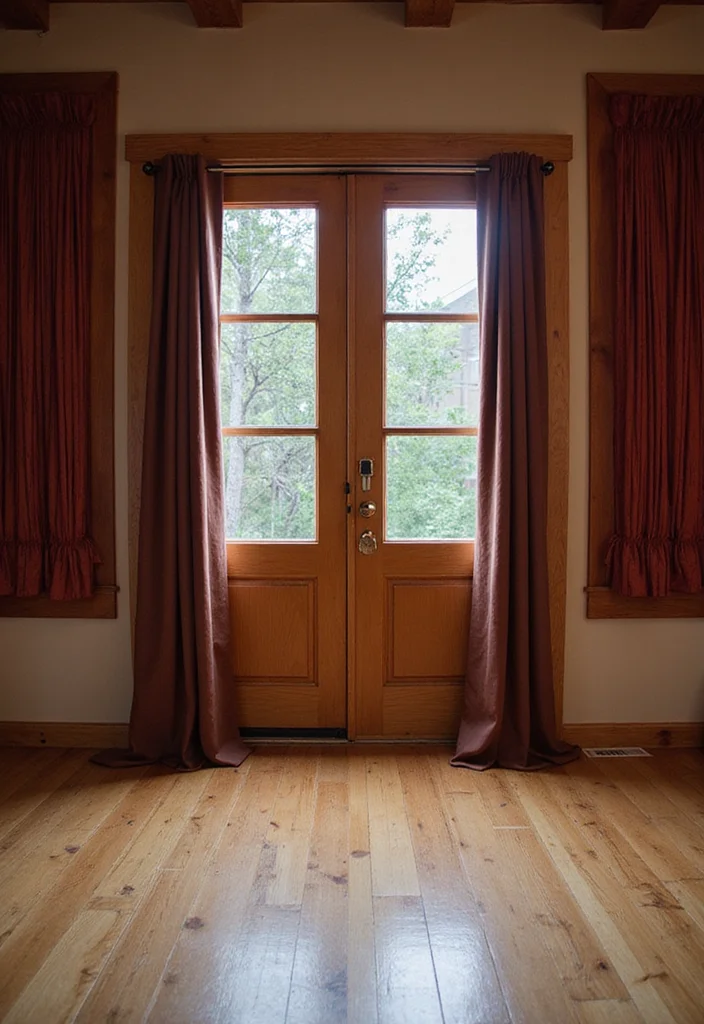
Solid entrances and views keep the outside world away from your tracks. A well-sealed door and window reduce leakage and echo. You can swap in solid core doors and add window inserts for extra protection. Heavy drapes also help absorb reflections.
Install weatherstripping for tight seals on doors. Use window inserts to gain extra mass against sound. Seal edges around frames to seal gaps fully. These steps create a quiet, focused studio sanctuary.
• Use solid core doors for stronger sound blocking
• Install window inserts for extra resistance against noise
• Seal door edges with weatherstripping for airtight gaps
• Hang heavy drapes to dampen reflections and noise
A solid entry and exit keeps your studio focused.
9. Cable Management Solutions

Clean cables help you move fast and stay safe. A tidy setup keeps gear reachable and cut clutter. Separate power cords from audio to reduce interference. Consider wireless options where possible to reduce clutter.
Label cables for quick identification and troubleshooting. Use under-desk trays to hide excess wires. Keep power cords separate from audio to reduce interference. Explore wireless options to cut clutter and trips.
• Label cables for quick identification and troubleshooting
• Use under-desk trays to hide excess wires
• Keep power cords separate from audio to reduce interference
• Explore wireless options to cut clutter and trips
A clean setup keeps you focused on the music.
Fun fact: in basement music studio ideas, tangled cables waste up to 30% of setup time. Clean cables keep gear reachable, cut clutter, and help you move fast. Separate power from audio to reduce interference, and label everything for quick troubleshooting.
10. Incorporating Technology for Innovation
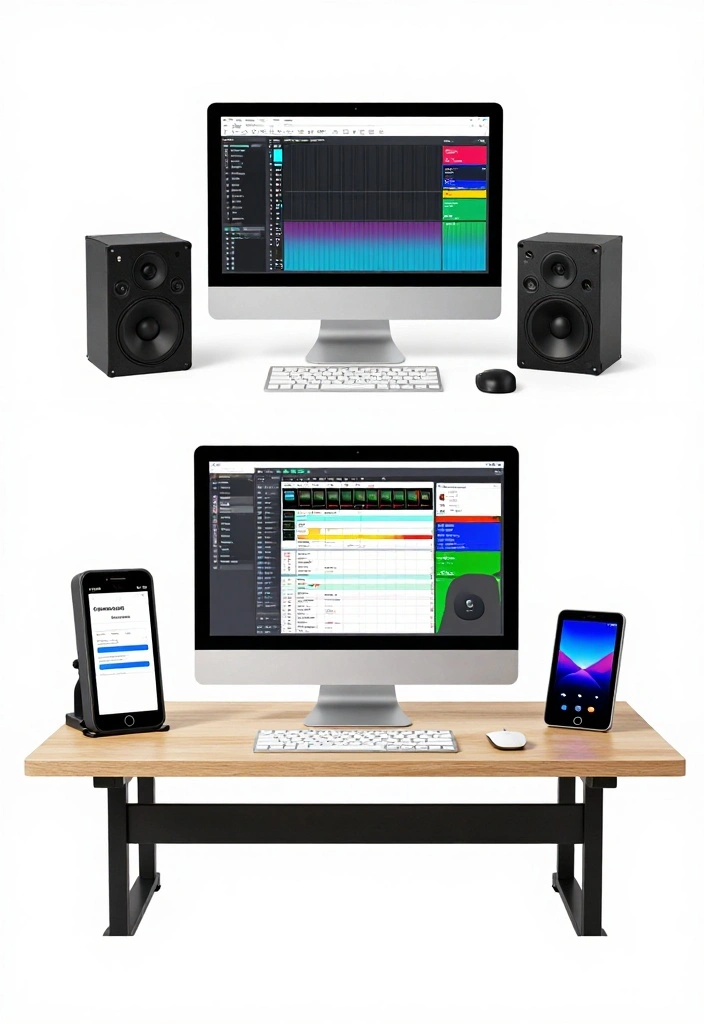
Tech unlocks faster, richer production. Use software, plugins, and virtual instruments to expand your palette. Mobile apps let you sketch ideas anywhere. Smart home tools can control lights and gear from one place.
Keep your software updated for stability. Try plugins that fit your budget to grow your sound. Save projects in the cloud for access anywhere. Connect your lights and gear to a single control hub.
• Use cloud storage to access projects anywhere
• Try affordable plugins to expand your sound
• Keep software updated for better performance and security
• Integrate smart home features to run gear remotely
Tech helps you stay creative without extra hassle.
Conclusion
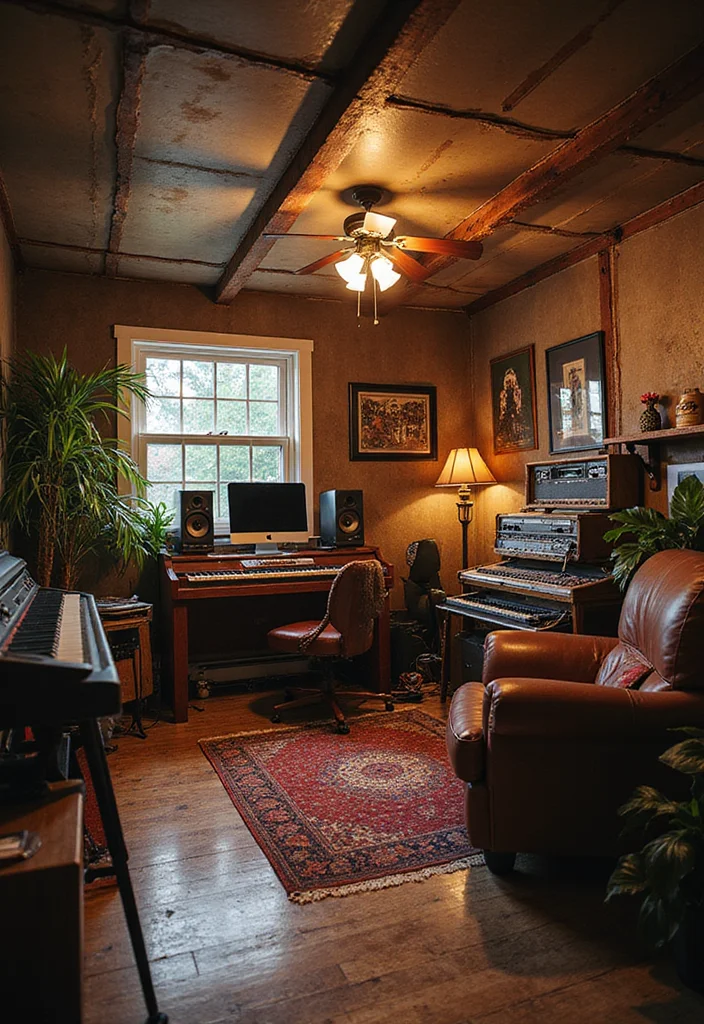
Creating a basement music studio is not just about sound; it’s about crafting a space that inspires and nurtures your creativity.
With the right soundproofing techniques, functional layouts, and personal touches, your basement can become a haven for music production.
Don’t hesitate to mix and match ideas to create a space that truly represents you and your artistic journey!
Note: We aim to provide accurate product links, but some may occasionally expire or become unavailable. If this happens, please search directly on Amazon for the product or a suitable alternative.
This post contains Amazon affiliate links, meaning we may earn a small commission if you purchase through our links, at no extra cost to you.
Frequently Asked Questions
What are the essential components of a functional basement music studio?
A functional basement music studio starts with a solid plan that blends acoustics, comfort, and workflow. Think of basement music studio ideas that balance sound quality with a practical layout, smart storage, and accessible power. Key elements include proper room tailoring with soundproofing techniques, strategic acoustic paneling, a clean home recording setup, and a few music production essentials to keep your sessions flowing. Start by measuring the space, mark reflection points, and place your monitors in the sweet spot, then add treatment panels and a rug to tame reflections.
What are budget-friendly soundproofing techniques for a basement studio?
You don’t need a full studio rebuild to cut noise. Start with sealing gaps around doors and windows with weatherstripping and door sweeps, then add mass-loaded vinyl or thick curtains where possible. Treat critical reflections with DIY or affordable acoustic paneling and place bass traps in the corners using denser materials; finish with a rug to dampen floor reflections. These soundproofing techniques deliver noticeable gains without breaking the bank.
How should I place acoustic paneling and bass traps for the best sound in a basement studio?
Begin by identifying first-order reflection points on walls and ceiling and place panels there to absorb mid/high frequencies. Install bass traps in all room corners, especially where two walls meet (and the ceiling corners if possible). Spread panels to create an even absorption profile, and consider cloud panels above your desk to tame ceiling reflections. With the right acoustic paneling and soundproofing techniques, your room will feel tighter and more focused for a confident home recording setup.
What does a basic home recording setup look like in a basement studio?
A basic but solid home recording setup includes a computer running your DAW, an audio interface, one or two versatile mics, a mic stand, headphones and studio monitors, and proper cables. Pair this with a modest amount of acoustic treatment using acoustic paneling and bass traps, and a comfortable desk arrangement. Start simple, then add a MIDI controller or external gear as you grow—your music production essentials line will expand naturally.
How can I design a creative basement space that still sounds great?
Blend style with function by choosing a color story and textures that dampen sound without making the room feel clinical. Use bookshelves as DIY diffusers, floating ceiling panels, and decorative textiles to keep reflections in check, while labeling and routing cables cleanly for a tidy look. With thoughtful creative basement designs and smart soundproofing techniques, you get a studio that inspires creativity and still performs well for your home recording setup.
Related Topics
basement music studio
acoustic treatment
soundproofing techniques
DIY music space
home recording setup
creative designs
music production essentials
beginner friendly
functional decor
affordable soundproofing
acoustic paneling
small space solutions