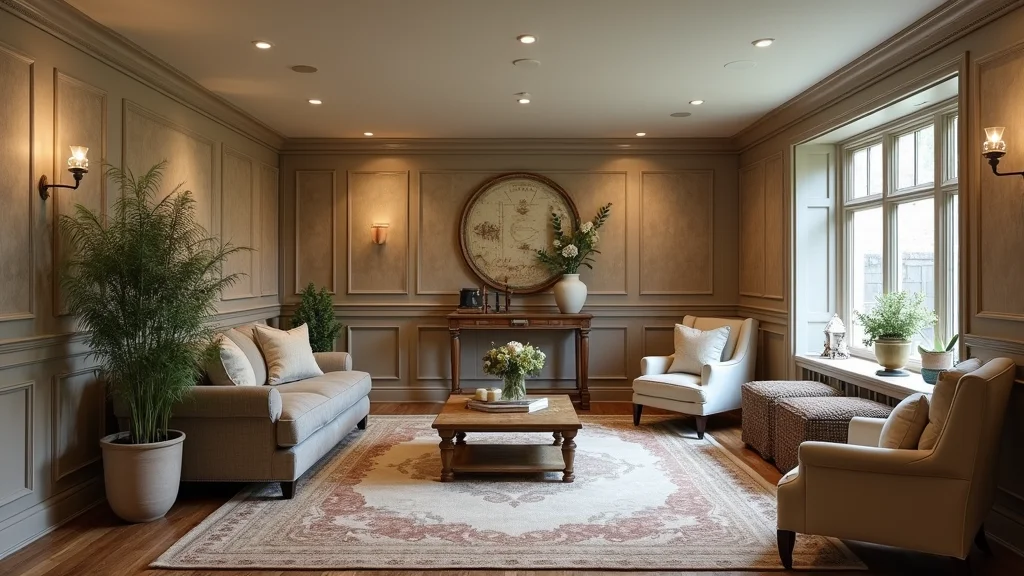
When it comes to home decor, basements often get overlooked. They can be dark, damp spaces that don’t inspire creativity. But what if I told you that with the right basement wainscoting ideas, you can transform your underground area into a stylish retreat? I created this post to show you how charming and inviting your basement can be with just a few textured details.
If you’re a homeowner who appreciates vintage-inspired decor or someone wanting to bring character to your living spaces, this guide is for you. Maybe you’re looking to spruce up a dull basement, or perhaps you’re deep into a renovation project. You want a space that feels warm and welcoming, and textured wall finishes can do just that.
In this post, you’ll discover twelve basement wainscoting ideas that blend classic styles with modern touches. From the timeless allure of beadboard to the rustic charm of shiplap, each idea offers something special. You’ll find inspiration for creating home interior accents that add depth and personality to your basement. Whether you’re after elegant raised panels or playful geometric patterns, these ideas will help you elevate your basement design and make it a space you truly enjoy. Let’s dive in and explore the possibilities!
Key Takeaways
– Discover twelve unique basement wainscoting ideas that infuse character into your home.
– Explore various wainscoting styles, from classic beadboard to chic two-tone designs.
– Learn how textured finishes can create a cozy and inviting atmosphere in your basement.
– Find practical tips for choosing the right materials and colors to suit your decor.
– Get inspired to make your basement a delightful extension of your home’s charm.
1. Classic Beadboard Charm
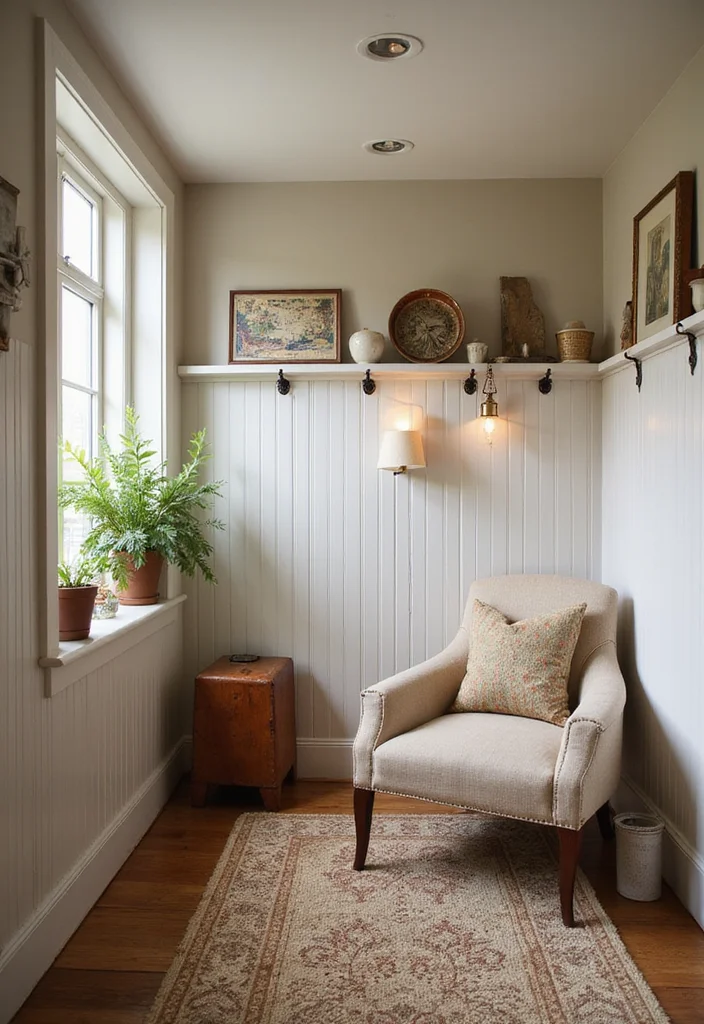
Beadboard wainscoting brings a soft coastal vibe to your basement. It uses narrow vertical planks to add gentle texture without weighing the room down. Painted in white or pale pastels, it reflects light and helps the space feel larger. Pinterest loves this classic touch, often paired with a clean chair rail to finish the edge.
To install well, measure walls for a smooth fit and apply a primer before paint for durability. If you want a quicker, budget-friendly option, beadboard wallpaper delivers a similar look with less mess. This style works with vintage or cottage themes and can pair with vintage hooks or baskets for practical charm. The result feels timeless and welcoming.
• Use beadboard panels for subtle coastal texture in basements
• Choose white or pastel colors that reflect light
• Pick primer before painting for durable finish in basements
• Add beadboard wallpaper as budget option for quick updates
This classic beadboard look keeps your basement bright and inviting.
2. Rustic Shiplap Panels
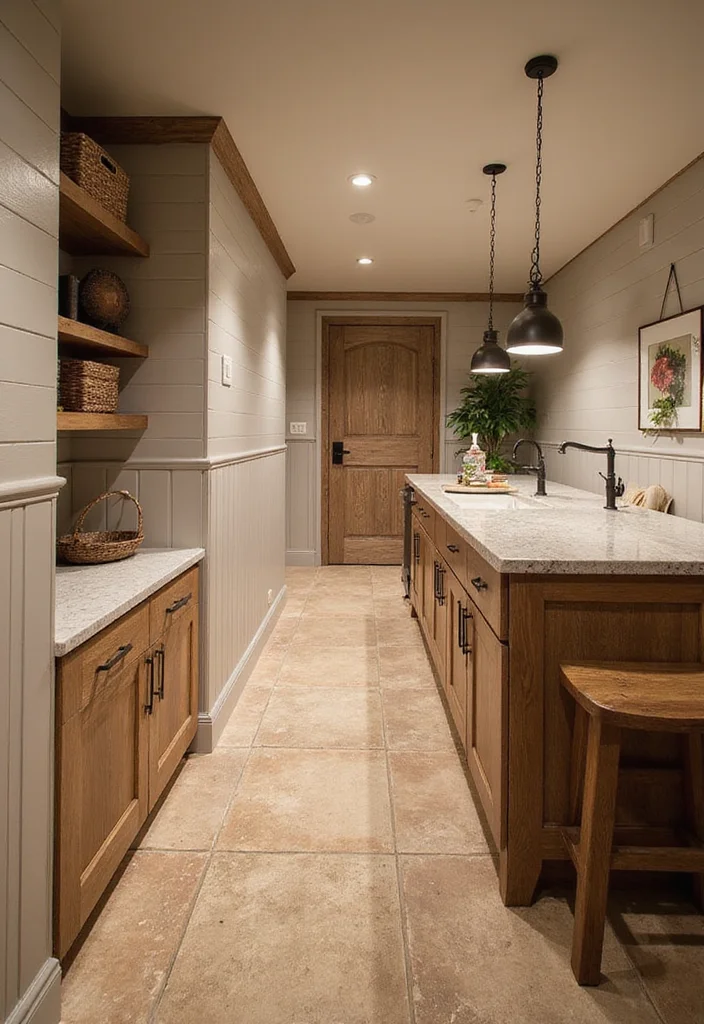
Shiplap panels bring a warm, rustic charm to a basement. The overlapping horizontal boards create depth and a cozy vibe. In basements you can leave the natural wood finish for a rustic feel or paint it in light neutrals for a modern touch. This style is common in farmhouse updates and cottage spaces, seen often on design blogs and Pinterest boards.
Build the look by using reclaimed wood for an eco twist, or opt faux boards for a quick install. Stain to highlight grain, or leave as is for a sun-kissed look. Seal well to protect against moisture, especially in damp basements. The result is a balanced mix of old world warmth and contemporary ease.
• Use reclaimed wood for eco twist
• Choose light stain or whitewash to brighten
• Pick moisture sealant for basements
• Add faux shiplap panels for quick install
Rustic shiplap brings warmth that invites you to slow down and stay a while.
3. Elegant Raised Panels
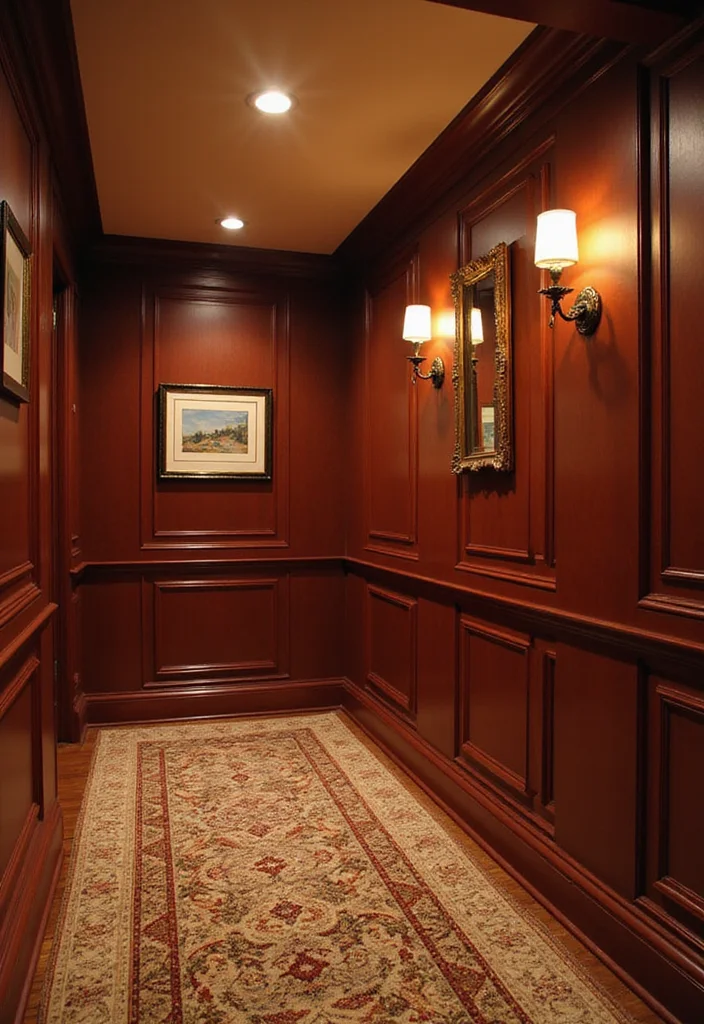
Elegant raised panels make a bold, refined statement. Flat panels sit inside a molded frame, creating real depth that catches the eye. In basements, go rich with dark paints or keep it crisp in white for contrast against lighter walls. This look nods to traditional interiors and creates a formal backdrop for entertaining.
Try satin or semi-gloss paint to add sheen, and crown molding above the panels to frame the edge. Backlighting can add a soft glow if the space allows. Keep lines clean and avoid clutter to let the panels shine. Raised panels turn a basement into a luxe gathering spot.
• Experiment with satin or semi-gloss finishes
• Use crown molding to frame upper edge
• Add backlighting for subtle glow
• Choose deep color or warm white for contrast
Raised panels turn a basement into a classy retreat.
4. Modern Minimalist Designs
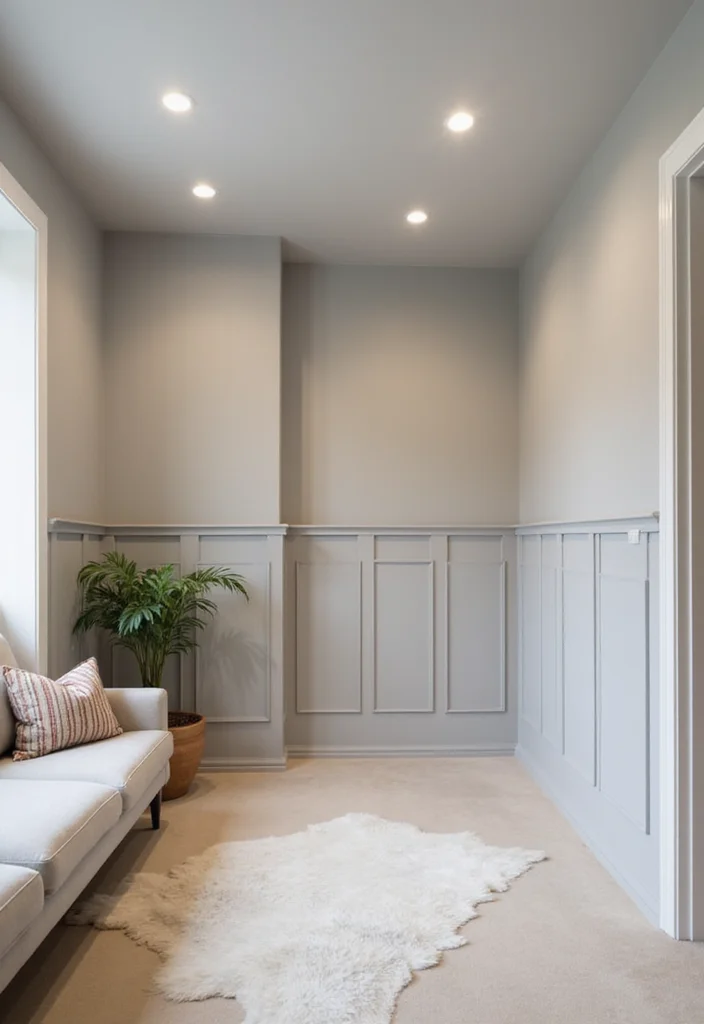
Modern minimalist wainscoting brings a bright, airy vibe to a basement. Flat panels rise only halfway up for an airy feel, keeping lines simple. Neutral tones like warm gray or off-white bounce light and stay easy on the eyes. This approach mirrors current minimalism seen in home projects and design magazines.
Choose smooth surfaces with no extra detailing, then pair with sleek furniture. Use a single accent color for decor to avoid clutter. A matte finish keeps the look calm and grounded. This style is ideal for a daily living space that feels fresh and current.
• Use smooth flat panels for crisp, clean lines
• Choose neutral base color to keep calm vibe
• Pair with sleek furniture for cohesive look
• Add one accent color for subtle focus
This look is perfect for a calm, modern basement you can live in daily.
5. Vintage Tin Tile Panels
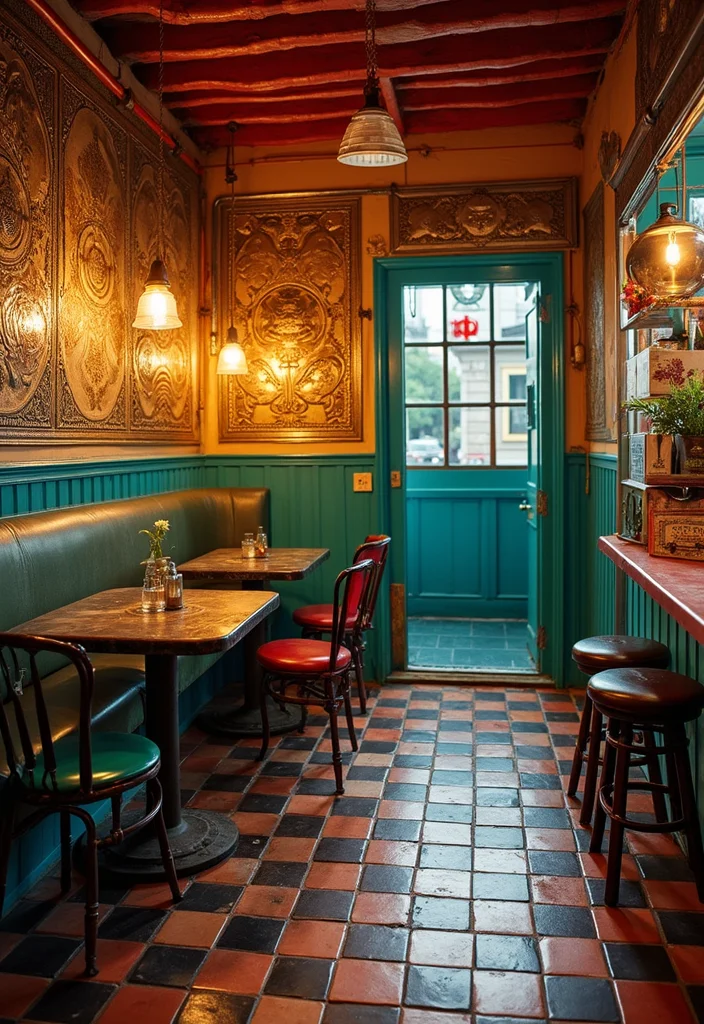
Vintage tin tile panels make the walls a bold focal point. The embossed patterns reflect light and add texture that sparkles when you move through the room. Use them as an accent wall in a basement bar or lounge, and color them bright to make the texture pop. This style nods to old factory and cafe interiors that designers now love in homes.
Tips: use adhesive panels for easy install rather than nails. Mix patterns for an eclectic vibe. Pair with vintage stools and art to deepen the mood. Color panels in bold tones to make texture pop. Tin tile walls bring energy and character to any basement.
• Use adhesive panels for easy install
• Mix patterns to create an eclectic vibe
• Pair with vintage stools and art to deepen mood
• Color panels in bold tones to make texture pop
Tin tile walls bring energy and character to any basement.
Fun fact: Tin tile panels can reflect light to boost basement brightness by up to 30%. Use adhesive panels for quick install, then mix patterns to grow the vintage vibe in your basement wainscoting ideas. Color boldly to let the texture sparkle as you move through the room.
6. Textured Stone Panels
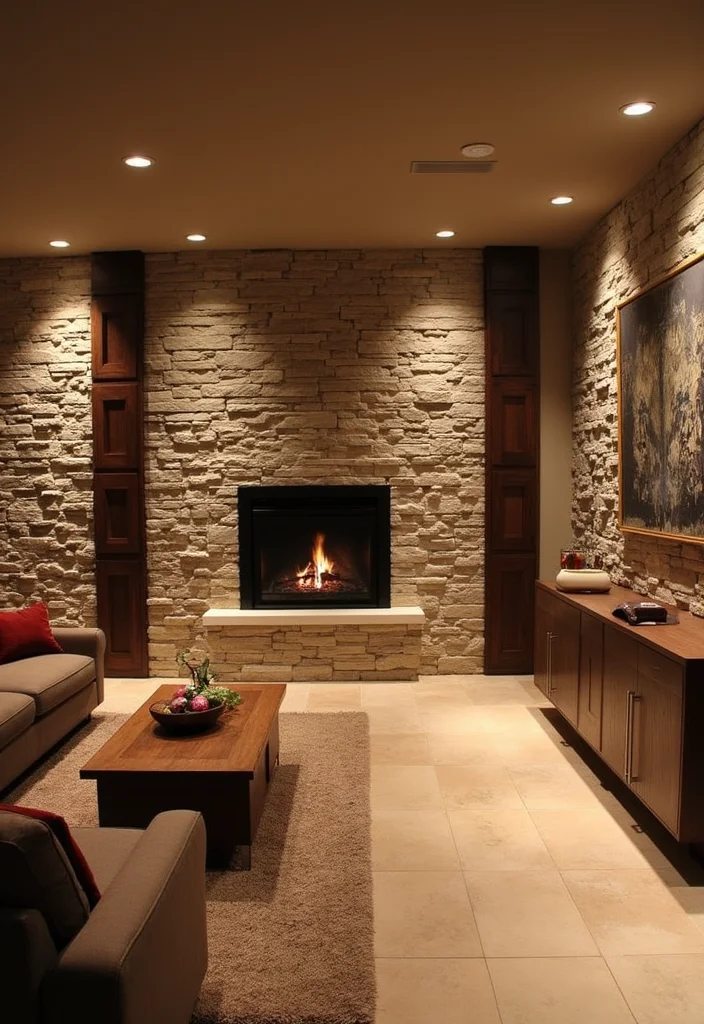
Textured stone panels deliver a rugged, timeless look without heavy weight. They mimic stone surfaces while staying lighter for easier handling. In rustic or industrial spaces, pair with wood beams and vintage furniture for a warm, lived-in feel. Lighter hues brighten the room while keeping the earthy vibe.
Tips: choose lighter-weight options for install ease. Pair stone with wood accents for contrast. Use warm lighting to bring out the stone’s natural tones. This creates a cozy hideaway after a long day.
• Use lightweight stone panels for easy install
• Pair with wood accents for contrast
• Use warm lighting to glow the textures
• Choose earthy hues for authenticity
Textured stone panels can transform your basement into a cozy hideaway after a long day.
Texture your basement wainscoting ideas with lightweight stone panels—rugged and timeless without the heaviness. Pair them with warm lighting and wood accents to brighten the space and keep that cozy, lived-in vibe. Pro tip: lighter hues make small basements feel bigger.
7. Bold Wallpapered Wainscoting
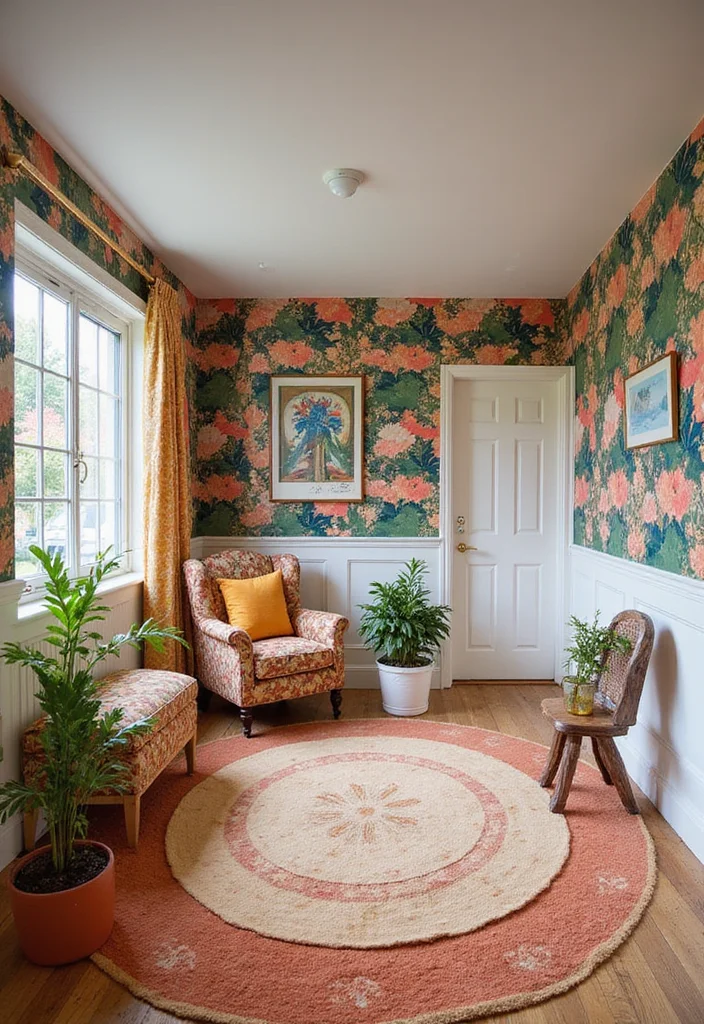
Bold wallpaper on wainscoting brings a lively twist to a basement. Bright prints on the lower wall inject energy without cluttering the space. You can stop at a chair rail or extend the pattern to the full wall for drama. Floral, geometric, and vintage prints keep the look fresh, as seen in design blogs.
Tips: choose removable wallpaper for easy updates. Coordinate wallpaper themes with the rest of the basement. Apply a clear protective coating on surfaces for durability. This approach makes your basement feel playful and inspired.
• Use removable wallpaper for easy updates
• Choose coordinated patterns with decor
• Apply protective coating for durability
• Pair with light walls to keep balance
Wallpapered wainscoting makes your basement feel playful and inspired.
8. Classic Picture Frame Wainscoting
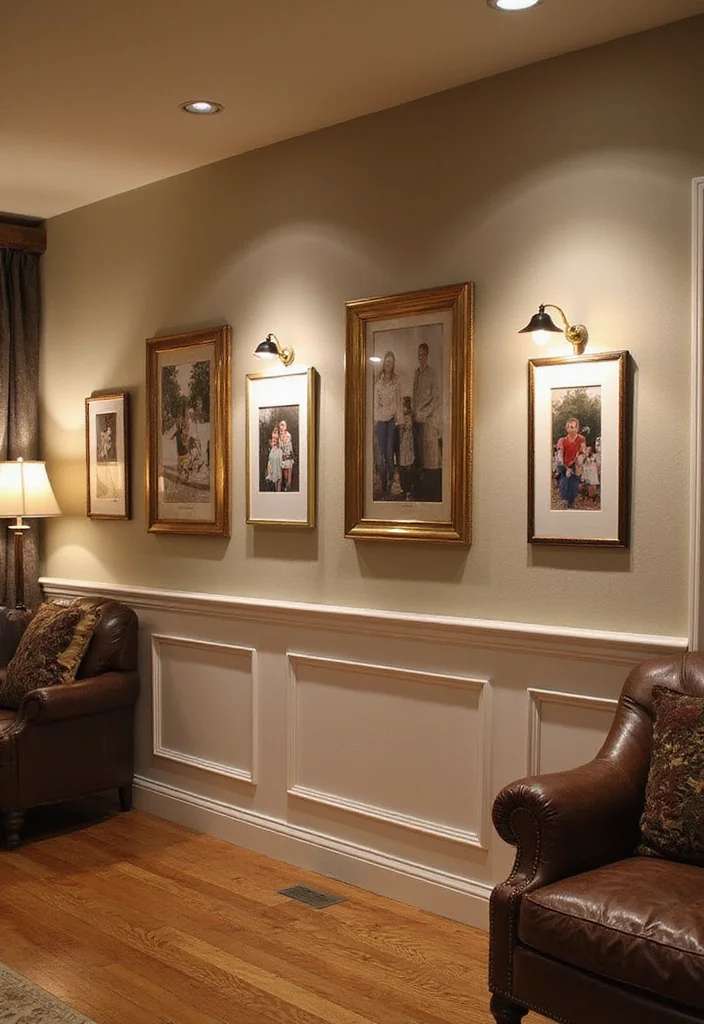
Picture frame wainscoting frames art and mood. Borders around panels create depth and rhythm. Dark frames pop against light walls, adding drama with warmth. The look nods to traditional interiors and keeps memories part of daily life.
Tips: keep a single frame style for cohesion. Use high-quality prints for sharp images. Add subtle LED lighting to highlight the collection. This makes the basement feel curated and warm.
• Use consistent frame designs for cohesion
• Use high-quality prints for realism
• Add LED lighting to highlight pieces
• Keep wall color light to contrast frames
A wall of frames makes your basement feel personal and polished.
9. Chic Two-Tone Wainscoting
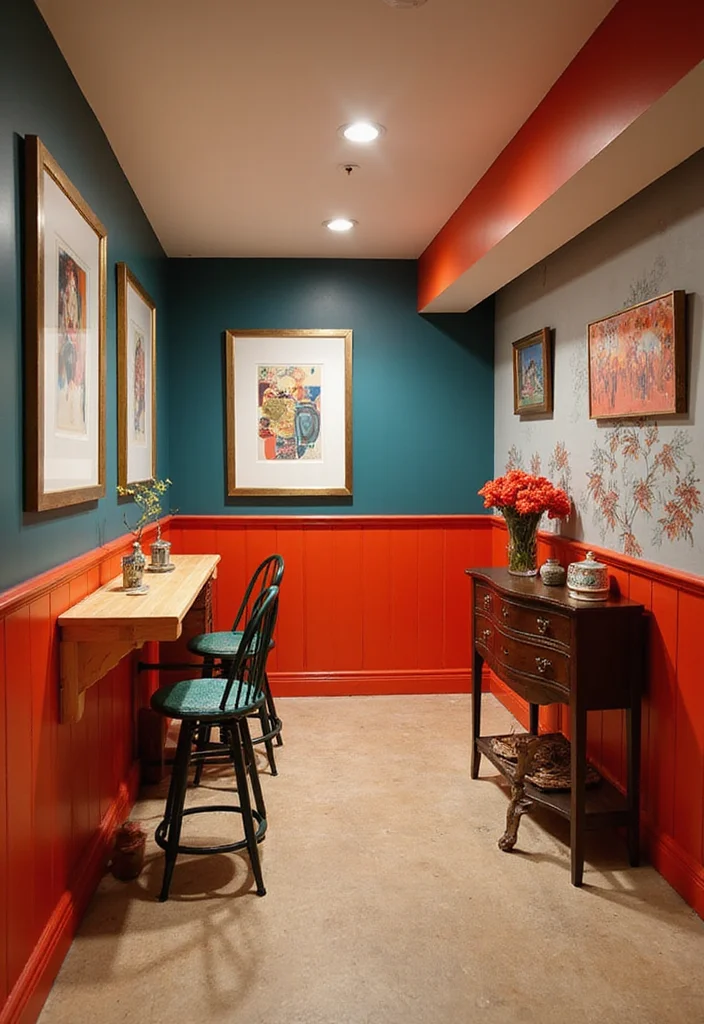
Two-tone wainscoting adds modern depth to classic panels. Paint the bottom portion a shade and the top portion a complementary color. Use colors that work with your furnishings, or make a bold contrast for drama. You can see this approach in many contemporary homes and design tours.
Tips: pick a base color that fits your decor. Use semi-gloss on the lower half for durability. A chair rail helps separate the sections in a neat line. This style keeps the space lively yet refined.
• Use base color that blends with your decor
• Apply semi-gloss finish on lower half
• Place a chair rail to separate sections elegantly
• Pair with simple decor to avoid clutter in small rooms
Two-tone wainscoting keeps the space lively yet refined.
10. Playful Geometric Patterns
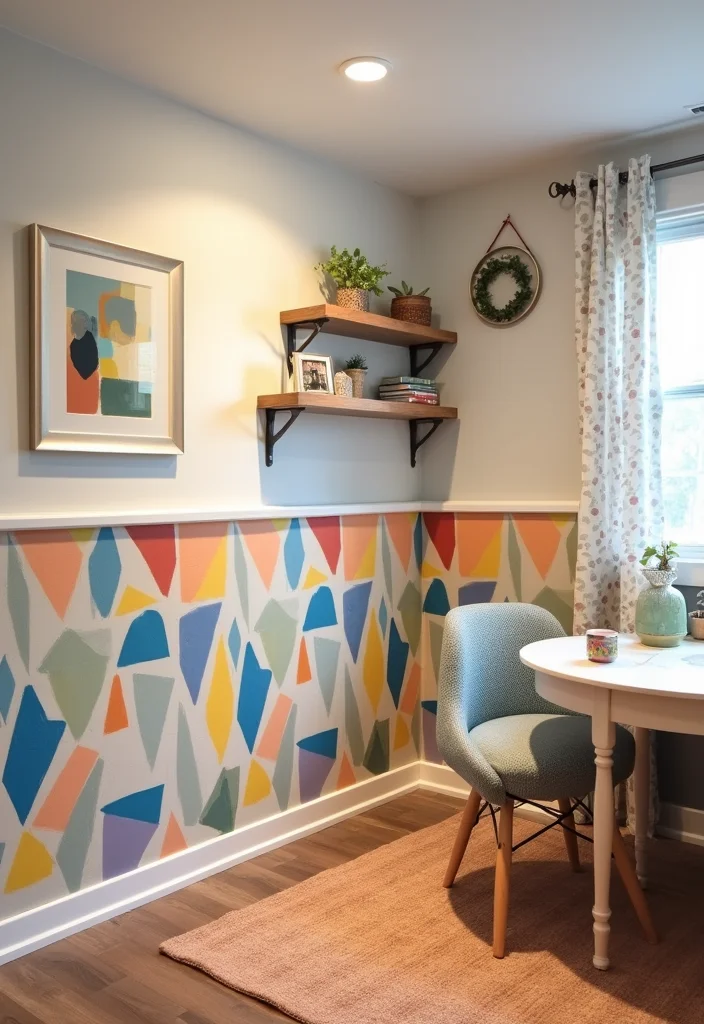
Geometric patterns inject playfulness into a basement. Use squares, triangles, or hexagons in bold or soft tones. Shaped panels can be painted or built from wood to add texture and depth. You can see this look in design blogs and home tours, where it acts as a conversation starter.
Tips: use painter’s tape for crisp, clean lines daily. Mix varied shapes to create visual rhythm in walls. Add soft neutrals to balance bold forms in small rooms. Place accent colors to draw focus on key walls or trims. This style makes your basement a lively, modern space.
• Use painter’s tape for crisp, clean lines daily
• Choose varied shapes to create visual rhythm in walls
• Add soft neutrals to balance bold forms in small rooms
• Place accent colors to draw focus on key walls or trims
Geometric patterns turn your basement into a lively, modern space.
11. Vintage Frame Molding
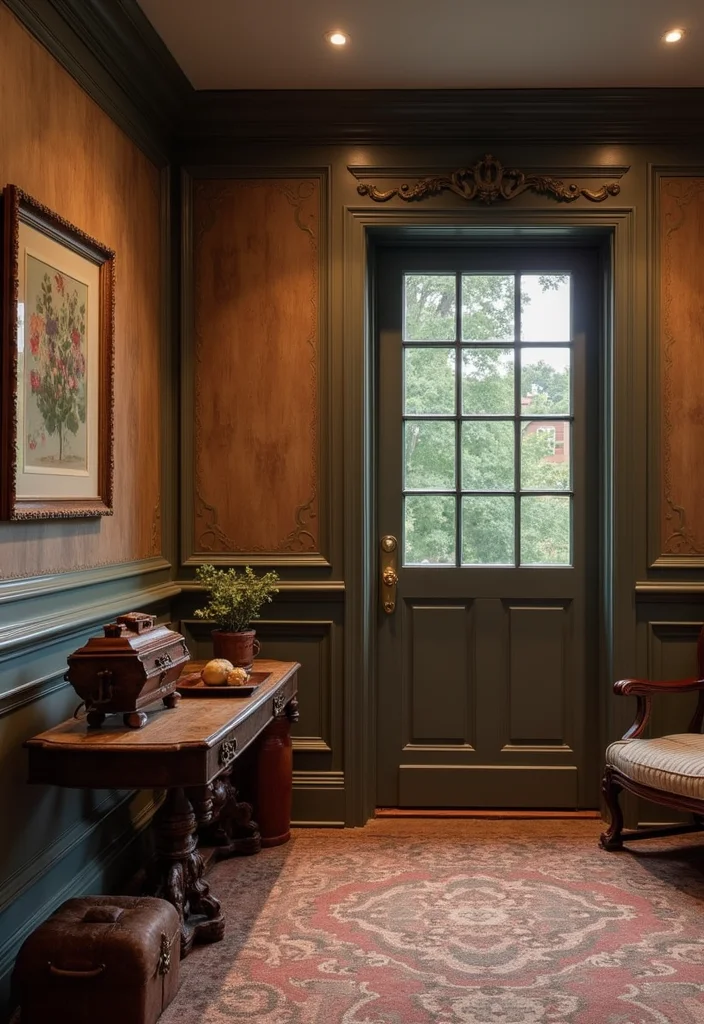
Vintage frame molding adds nostalgia. Ornate borders create framed sections that echo Victorian charm. White or light frames pop against dark walls, delivering drama with warmth. The look nods to old libraries and parlor rooms, giving depth and character to a space.
Tips: use crown molding to add height. Mix frame sizes for depth. Choose vintage art to complete the theme. This makes the space feel warm and collected.
• Use white or light frames against dark walls
• Choose mixed frame sizes for depth
• Add vintage art to complete the scene
• Apply crown molding for height
Vintage frame molding adds character and a warm, timeless feel.
12. Whimsical Chalkboard Wainscoting
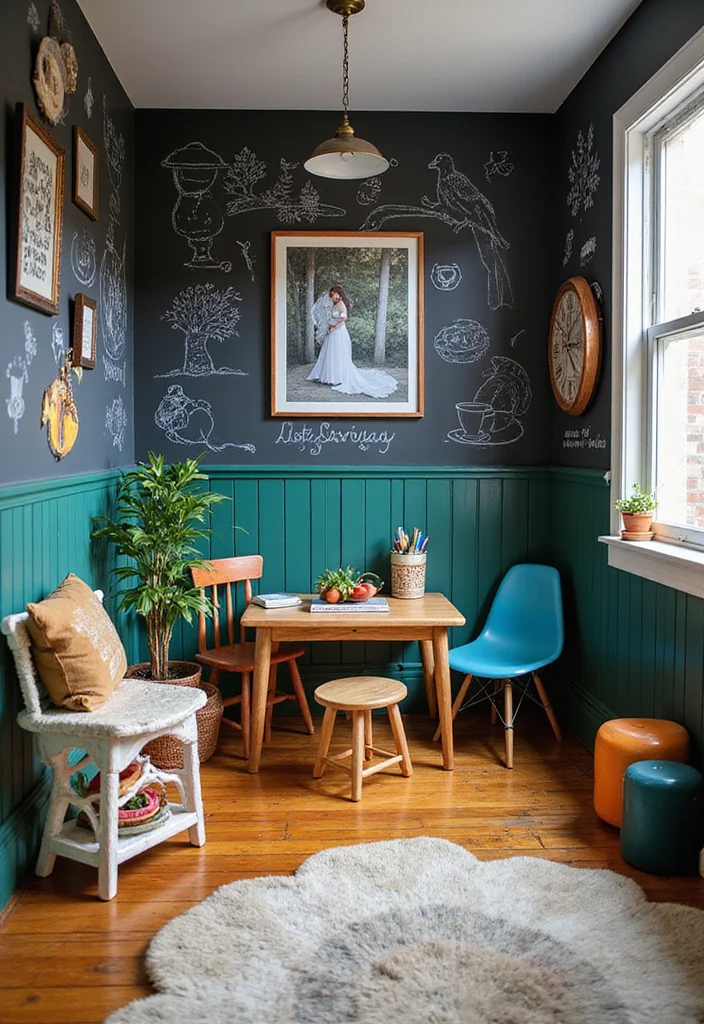
Chalkboard wainscoting brings a playful interactive feel to a basement. Paint the lower wall with chalkboard paint so kids and guests can draw and leave messages. Pair with bright chairs and kid-friendly decor to boost the fun. Design sources show this idea in family spaces and creative rooms.
Tips: use colored chalk for bright looks. Frame the chalk area with traditional wainscoting for a refined edge. Seal the top with a compatible finish for easy cleaning. This makes family time feel creative and connected.
• Use colored chalk for bright, playful drawings on walls
• Frame the chalk area with wainscoting for polish
• Seal top edge with wipeable finish for cleaning
• Choose kid-friendly furniture to finish the vibe and cozy seating
Chalkboard wainscoting makes family time feel creative and connected.
Fun fact: Chalkboard wainscoting in basements turns every wall into a playful planning board—kids draw, guests leave messages, and you upcycle a classic wainscoting idea into daily family activity. Use colored chalk, seal the top, and enjoy easy-clean surfaces.
Conclusion
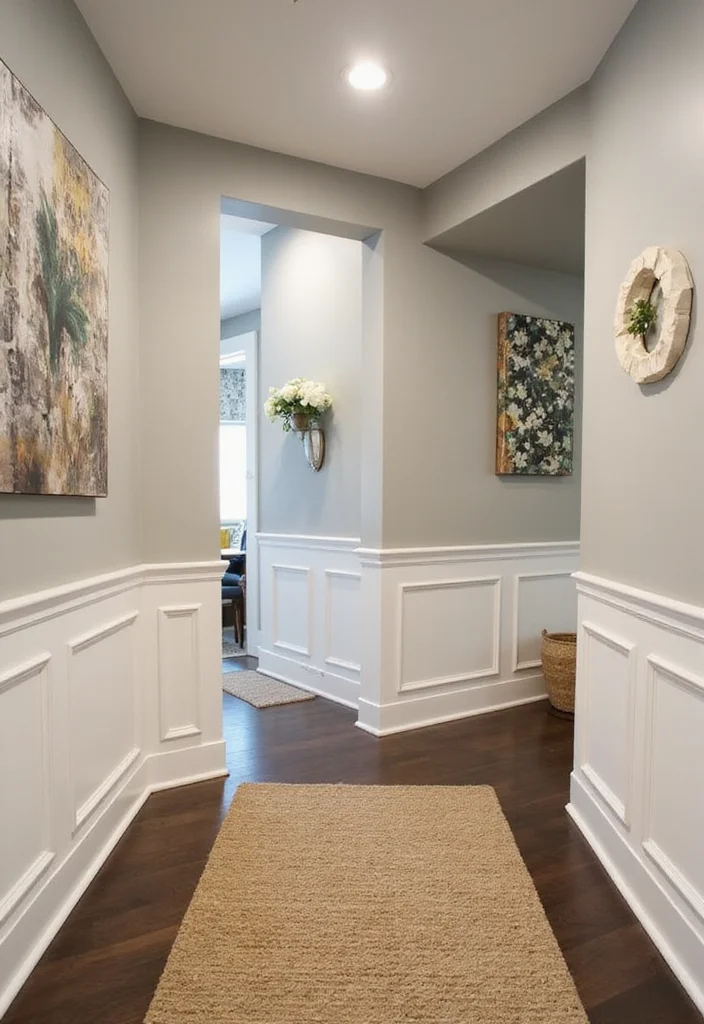
Transforming your basement into a stylish and inviting space can be achieved through thoughtful wainscoting choices. Whether you prefer the classic elegance of raised panels or the playful touch of chalkboard paint, each idea offers a unique opportunity to reflect your personal style.
Considering the diverse array of textures and finishes, it’s clear that wainscoting can breathe new life into your lower levels. So why not get started on your basement rejuvenation journey today?
Note: We aim to provide accurate product links, but some may occasionally expire or become unavailable. If this happens, please search directly on Amazon for the product or a suitable alternative.
This post contains Amazon affiliate links, meaning we may earn a small commission if you purchase through our links, at no extra cost to you.
Frequently Asked Questions
What are popular basement wainscoting ideas for a vintage-inspired, classic look?
Basement wainscoting ideas span from beadboard and shiplap to raised panels and board-and-batten, all of which add texture and character to a basement. For a vintage vibe, start with beadboard panels paired with a narrow rail, or opt for raised-panel wainscoting in a warm wood tone to echo classic home decor.
If you want texture without heavy woodworking, consider textured wall finishes like faux plaster or decorative panels that mimic old-world details. In any case, keep your basement design tips in mind: choose moisture-resistant materials, plan the height (usually 32–42 inches above the floor), and test paint colors in a sample area to ensure the look stays timeless rather than dated.
How do I choose the right wainscoting style for my basement design?
Choosing the right wainscoting style for a basement comes down to proportion, moisture, and mood. Start by considering ceiling height and lighting: taller ceilings can handle larger panels; lower ceilings benefit from simpler profiles that keep the space from feeling boxed in. Pick a height that feels balanced with your basement and use basement design tips like a chair rail or cap molding to tie the look together. Then weigh moisture resistance and maintenance: solid wood looks stunning but may require more sealing in a damp basement; PVC or MDF‑based options may be better long-term. Finally, align with the wainscoting styles you love and the classic home decor vibe you want.
What materials are best for basement wainscoting to withstand dampness?
Materials that stand up to damp basements include moisture‑resistant MDF, PVC trim, or vinyl panels. Real wood with proper sealing can work, but you’ll want a tight moisture barrier finish and a reliable dehumidifier in the space. For easy maintenance and a timeless feel, consider PVC or vinyl beadboard that’s designed for basements. Pair with a wipeable enamel paint or a stain‑resistant finish. Also address humidity issues as part of your basement design tips so your textured wall finishes and wainscoting stay durable over time.
How can textured wall finishes work with basement wainscoting without making the space feel busy?
Texture can add depth without stealing the light. Try pairing textured wall finishes with smooth wainscoting in a light palette, using contrast to define zones. Keep the panel width modest and repeat on all walls for cohesion, or limit texture to the lower half of the wall to avoid visual busyness. Introduce home interior accents like a light trim color, pastel walls, or warm wood tones to keep the vintage vibe clean and timeless, a hallmark of classic home decor.
What’s a realistic budget and plan for installing basement wainscoting ideas?
Budgeting for basement wainscoting ideas depends on materials and labor. Basic beadboard or MDF wainscoting can start around $1–3 per sq ft for the material, while higher‑end raised panels can run up to $6–12 per sq ft. Installed costs typically add labor, bringing total to roughly $4–15 per sq ft, depending on complexity and whether you DIY. To plan: measure wall area to estimate square feet, decide on height (commonly 32–42 inches), choose a material, and add 10–20% for moisture barrier, fasteners, trim, and paint. If you’re unsure, consult a pro to ensure your basement design tips align with basement wainscoting ideas and durable results.
Related Topics
home decor
basement wainscoting
vintage style
textured finishes
classic home accents
interior design tips
DIY home projects
budget friendly
basement design
traditional wainscoting
easy updates
home renovation