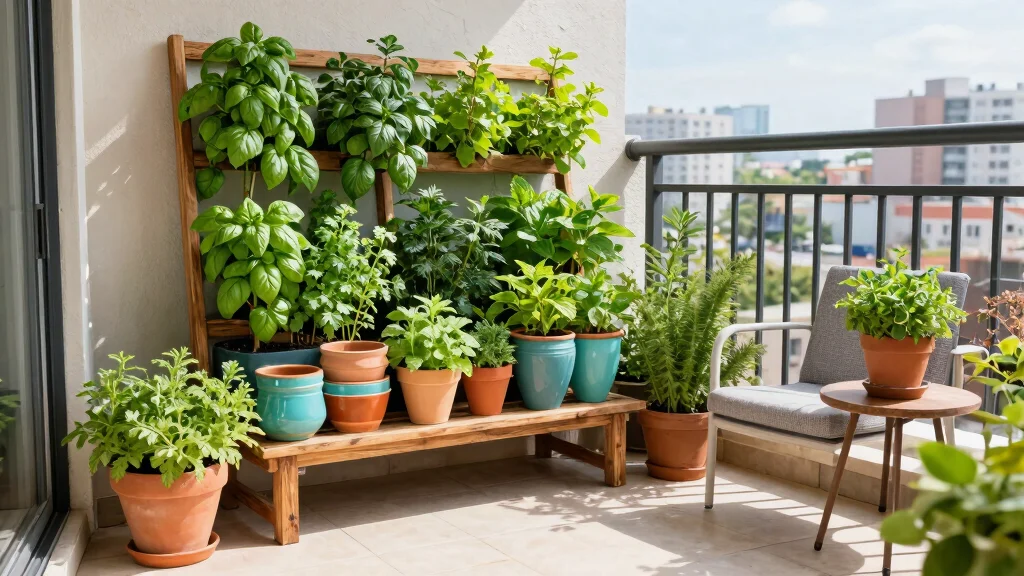
Creating a beautiful and functional outdoor space can be a challenge, especially in small urban settings where space is limited. This has me dreaming about how to maximize my outdoor areas while adding a touch of greenery. If you’re like many urban dwellers who want to bring nature into your lives without sacrificing valuable square footage, this post is for you.
I gathered together 12 vertical herb garden ideas that are fresh, practical, and perfect for small outdoor spaces. Whether you’re a seasoned gardener or just starting, these creative solutions will help you cultivate your own herb garden. Think about the joy of having fresh basil, rosemary, or mint at your fingertips, all while enjoying the beauty of a well-organized garden.
In this post, you will discover various vertical gardening solutions that not only save space but also enhance your outdoor aesthetic. Each idea is designed to inspire you and help you bring your gardening dreams to life—no matter how little space you have. So roll up your sleeves, and let’s dive into the world of vertical herb gardening!
Key Takeaways
– Vertical herb gardens are an excellent way to maximize small outdoor spaces while growing your favorite herbs.
– Creative solutions like wall-mounted planters and stacked planters can enhance your balcony or patio’s appeal.
– DIY projects, such as pallet gardens and gutter gardens, offer budget-friendly options to get started.
– Using containers allows for flexibility in placement and design, making it easier to care for your plants.
– Each garden idea can complement your home while providing delicious herbs for your culinary adventures.
How To Choose The Right Vertical Herb Garden
– Size: Consider the space you have available. Measure your balcony or patio to determine how large your vertical garden can be. Keep in mind that taller structures may need more stability.
– Accessibility: Make sure you can easily reach your herbs. Choose a design that allows for easy watering and harvesting, especially for taller gardens. Herbs are best when they are fresh, so you want to ensure you don’t have to struggle to reach them!
– Materials: Look for durable materials that can withstand outdoor conditions. Wood, metal, and recycled containers can all be used effectively. Ensure that whatever material you choose has good drainage to keep your herbs healthy.
– Herb Selection: Decide which herbs you want to grow based on your cooking habits and sunlight availability. Some herbs, like basil and parsley, thrive in full sun, while others, like mint and chives, can tolerate partial shade.
– Design: Think about how you want your vertical garden to look. Aesthetic appeal is just as important as functionality. Choose a design that will complement your outdoor space and reflect your style.
Pro Tip: Start small with a few herbs and expand as you gain confidence and experience!
How Do Vertical Herb Gardens Work?
Vertical herb gardens utilize the vertical space available to grow plants upwards, rather than outwards. This method allows you to cultivate herbs, even in limited square footage, and can enhance your outdoor area’s visual appeal.
– Step 1: Choose Your Structure – Decide whether you want a wall-mounted planter, rack, or other vertical arrangements.
– Step 2: Gather Materials – Collect your containers, soil, and plants. Ensure you have everything you need before starting the assembly.
– Step 3: Prepare Your Space – Make sure the area is clean and dry. If you’re using wall-mounted planters, ensure the wall can support the weight and has good drainage.
– Step 4: Plant Your Herbs – Fill your containers with soil and plant your herbs according to the instructions. Make sure to leave enough space for growth.
– Step 5: Water and Maintain – Once planted, keep your herbs watered and regularly check for pests or diseases.
Best for: Those looking to grow fresh herbs in limited space without sacrificing style!
How To Install Vertical Herb Gardens
Tools You’ll Need:
– Drill (for wall-mounted planters)
– Containers or planters
– Potting soil
– Herbs of your choice
– Level (to ensure planters are straight)
– Step 1: Measure & Prep – Determine where you want to install your vertical garden. Measure the area and mark the spots for planters.
✔ Ensure proper sunlight exposure for your selected herbs.
– Step 2: Install Planters – If you’re using wall-mounted planters, drill holes into your wall and attach the planters securely using anchors.
✔ Use a level to make sure everything is straight.
– Step 3: Fill Containers with Soil – Add potting soil to your planters, leaving enough space to plant your herbs.
✔ Choose a high-quality soil mix for the best results.
– Step 4: Plant Your Herbs – Place the herbs in the soil, making sure to follow any specific planting instructions.
✔ Water them lightly after planting to help them settle.
– Step 5: Regular Maintenance – Water and feed your herbs regularly, making adjustments based on their growth and health.
✔ Consider rotating your herbs in and out of the sun, depending on their light requirements.
⏱ Time: ~1-2 hours | 💡 Tip: Get a friend to help, especially when lifting heavy planters or drilling.
1. Wall-Mounted Planters

Have you ever wanted to grow fresh herbs but felt short on space? Wall-mounted planters are an excellent way to maximize limited areas while adding a stylish touch to your outdoor decor. These vertical planters can easily be affixed to walls, making them perfect for small patios or balconies.
With self-watering features and various materials like wood or ceramic, these planters keep your herbs thriving while enhancing your space’s aesthetic. You can cultivate aromatic herbs like basil, mint, and cilantro, all at your fingertips, ready to elevate your culinary adventures.
Ingredients:
– Wall-mounted planter (variety of materials available)
– Potting soil
– Herb plants (choose your favorites, e.g., basil, mint, cilantro)
– Water
Instructions:
1. Choose a wall-mounted planter that fits your style and space.
2. Fill the planter with potting soil, leaving a little space at the top.
3. Plant your herbs, ensuring they have enough room to grow.
4. Water them well and place in a sunny spot.
5. Enjoy fresh herbs right from your wall!
FAQs:
– Can I use plastic planters? Yes, just ensure they are durable and suitable for outdoor use.
– Can I plant flowers alongside herbs? Yes, just consider their sunlight and water needs.
2. Hanging Herb Baskets

Feeling inspired to create a garden that swings in the breeze? Hanging herb baskets are a delightful way to add greenery to your outdoor space while saving valuable floor area. These baskets can be suspended from hooks or ceilings, giving your balcony a whimsical touch.
Using breathable materials like wicker allows for proper drainage, ensuring that your herbs receive the right amount of moisture. Imagine plucking fresh basil or parsley from your overhead garden and infusing your meals with their vibrant flavors.
Ingredients:
– Hanging baskets (wicker or coconut coir recommended)
– Potting soil
– Herb plants (like oregano, basil, and parsley)
– Hooks for suspension
Instructions:
1. Secure hooks in the ceiling or wall.
2. Fill each basket with potting soil.
3. Plant your herbs, mixing trailing and upright varieties.
4. Hang them in a sunny location.
5. Water regularly and enjoy the aroma of fresh herbs!
FAQs:
– Can I use plastic baskets? Yes, as long as they provide good drainage.
– Can I hang them indoors? Yes, just ensure they receive enough sunlight.
3. Vertical Garden Frames

Are you ready to turn your garden into a green masterpiece? Vertical garden frames are a creative way to form a living wall that captivates the eye and optimizes space. These structures can be bought or made, featuring pockets for individual herb plants, making them a stunning focal point.
Choosing a frame with proper drainage can prevent waterlogging, while arranging herbs by height or color creates an impressive display. Picture a vibrant wall of chives, dill, and thyme, ready for you to harvest at any time.
Ingredients:
– Vertical garden frame (store-bought or DIY)
– Potting soil
– Herb plants (like chives, dill, and parsley)
– Water
Instructions:
1. Set up the vertical garden frame in a sunny spot.
2. Fill the pockets with potting soil.
3. Plant your herbs, ensuring they have enough space.
4. Water them thoroughly and watch them flourish.
5. Enjoy your stunning living wall!
FAQs:
– Can I use any frame? Make sure it has good drainage.
– Can I mix vegetables with herbs? Yes, but check their growth requirements.
Did you know vertical garden frames can boost usable balcony space by up to 50%? As part of vertical herb garden ideas, pack herbs—from chives to thyme—in color-ordered pockets, and arrange them by height for a living wall that’s practical, beautiful, and harvest-ready.
4. Ladder Planters

Looking for a stylish way to garden? Ladder planters offer a tiered approach that combines functionality with visual appeal. Whether leaned against a wall or freestanding, they make a striking addition to any outdoor area.
Utilize different levels to grow herbs with varying sunlight and water needs, creating an organized yet beautiful display. From fragrant rosemary to delicate chervil, a ladder planter can showcase a variety of herbs while enhancing your balcony’s charm.
Ingredients:
– Ladder planter (wood or metal)
– Potting soil
– Herb plants (such as rosemary, chervil, and sage)
– Water
Instructions:
1. Position the ladder planter in a sunny area.
2. Fill each shelf with potting soil.
3. Plant your herbs according to their sunlight needs.
4. Water them adequately and enjoy the greenery.
5. Personalize with lights or decorative elements.
FAQs:
– Can I use a regular ladder? Yes, but ensure it’s stable and safe.
– Can I paint the ladder? Yes, use outdoor-safe paint for durability.
Fun fact: Ladder planters maximize every inch of balcony space, up to 40% more usable area, letting you plant 6–8 herbs in a compact setup. Combine with different sun exposures and water needs to tailor your vertical herb garden ideas.
5. DIY Pallet Garden

Want to create a garden that’s budget-friendly and fun? A DIY pallet garden is a fantastic way to transform a simple wooden pallet into a vertical herb haven. This project is not only economical but also environmentally friendly, allowing you to grow fresh herbs without spending a fortune.
With a few simple steps, you can fill the slats of the pallet with soil and plant vibrant herbs like thyme and mint. The rustic look adds charm to your outdoor space and provides easy access to your favorite flavors.
Ingredients:
– Wooden pallet (clean and untreated)
– Potting soil
– Herb plants (such as mint, thyme, and chives)
– Landscaping fabric
Instructions:
1. Sand the pallet edges to prevent splinters.
2. Attach landscaping fabric to the back for soil retention.
3. Place the pallet vertically against a wall.
4. Fill the slats with potting soil and plant your herbs.
5. Water well and watch them grow!
FAQs:
– Can I use treated pallets? It’s best to avoid treated wood due to chemicals.
– How do I support the pallet? Ensure it’s secured against a sturdy surface.
6. Stackable Planters
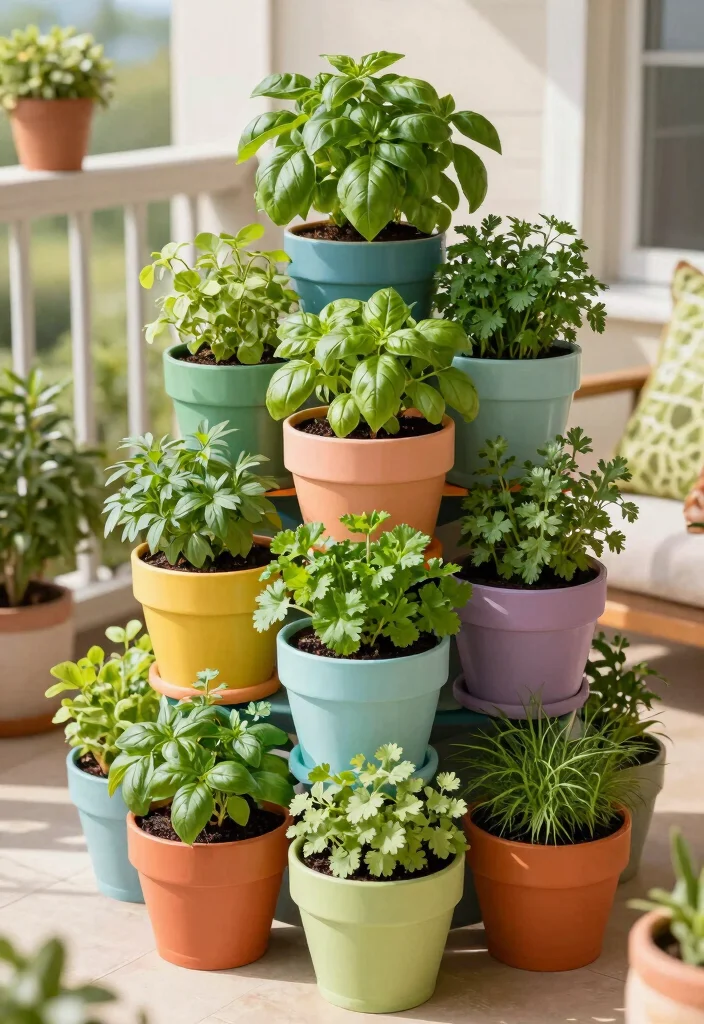
Are you short on outdoor space but still want to garden? Stackable planters offer a smart solution by utilizing vertical space while keeping your herbs organized and accessible. With a variety of styles available, you can easily customize your herb garden to fit your taste.
Many stackable designs include self-watering features, making it easier to care for your plants. Imagine having fresh parsley or cilantro right at your fingertips, all while adding a chic touch to your balcony.
Ingredients:
– Stackable planters (various styles available)
– Potting soil
– Herb plants (like parsley, cilantro, and basil)
– Water
Instructions:
1. Assemble the stackable planters according to the instructions.
2. Fill each tier with potting soil.
3. Plant your herbs, considering their sunlight needs.
4. Water the plants thoroughly.
5. Enjoy the ease of harvesting fresh herbs!
FAQs:
– Can I mix herbs in one planter? Yes, just ensure they have similar needs.
– Are they heavy when stacked? It depends on the material; check weight limits.
7. Vertical Hydroponic Systems

Are you intrigued by soilless gardening? Vertical hydroponic systems offer a modern and efficient way to grow herbs without the mess of soil. Using nutrient-rich water, these systems allow for faster growth and healthier plants, making them ideal for urban environments.
With their space-saving design, you can enjoy a fresh supply of herbs like basil and cilantro right on your balcony. The reduced risk of pests and diseases compared to traditional gardening makes hydroponics an attractive option.
Ingredients:
– Vertical hydroponic system (available online or in stores)
– Hydroponic nutrient solution
– Herb seeds or starter plants (like basil and dill)
– Water
Instructions:
1. Set up the hydroponic system according to the instructions.
2. Fill it with the nutrient solution and water.
3. Insert your herb plants or seeds into the designated slots.
4. Monitor the water levels regularly.
5. Enjoy fresh herbs without the soil mess!
FAQs:
– Can I grow any herb hydroponically? Most herbs thrive, but check specific needs.
– Is it hard to maintain? Once set up, it’s quite easy to manage.
8. Herb Wall Art

Looking to blend creativity with gardening? Herb wall art is a playful way to showcase your green thumb while beautifying your space. By using frames or grids filled with herb plants, you can create stunning decorations that are also functional.
Choose herbs with interesting foliage or blooms to enhance the visual appeal. Imagine a wall that not only brings freshness to your home but also sparks conversation among guests.
Ingredients:
– Large frame or grid
– Small pots for herbs
– Potting soil
– Herb plants (choose visually appealing varieties)
Instructions:
1. Attach small pots to the back of the frame.
2. Fill each pot with potting soil.
3. Plant your herbs, focusing on aesthetics.
4. Hang the frame in a visible area.
5. Water regularly and enjoy your herb art!
FAQs:
– Can I use any frame? Yes, just ensure it supports the weight of the pots.
– Is it hard to maintain? No, just water and care for the herbs as needed.
9. Gutter Gardens

Want to repurpose materials creatively? Gutter gardens are an innovative way to utilize old rain gutters for vertical herb gardening. This clever method is especially great for limited spaces, allowing you to mount them on walls or fences.
By cutting gutters to size and adding soil, you can grow herbs like oregano and chives while adding a unique flair to your garden. It’s an eco-friendly solution that maximizes vertical space and looks great.
Ingredients:
– Plastic or metal gutters
– Drill for drainage holes
– Potting soil
– Herb plants (like oregano and chives)
Instructions:
1. Cut the gutters to your desired length.
2. Drill holes for drainage.
3. Secure the gutters to a vertical surface.
4. Fill each section with potting soil and plant your herbs.
5. Water regularly and enjoy your unique garden!
FAQs:
– Can I use any type of gutter? Yes, as long as it’s safe for planting.
– Will it attract pests? Proper care reduces the risk of pests.
10. Vertical Crate Gardens

Looking for a rustic and charming gardening option? Vertical crate gardens allow you to utilize wooden crates creatively, offering an attractive way to display your herbs. Stacking crates not only makes access easy but also adds character to your outdoor space.
By arranging crates of different sizes, you can create a dynamic look while growing a variety of herbs. Imagine a delightful assortment of mint, thyme, and basil all thriving in your unique garden setup.
Ingredients:
– Wooden crates (varying sizes)
– Potting soil
– Herb plants (like mint, thyme, and basil)
– Water
Instructions:
1. Stack the crates securely in a stable arrangement.
2. Line the insides with landscaping fabric to retain soil.
3. Fill with potting soil and plant your herbs.
4. Water adequately and enjoy your vertical garden!
FAQs:
– Can I use painted crates? Yes, but ensure the paint is non-toxic.
– How do I prevent soil from falling out? The fabric lining helps retain the soil.
11. Recycled Containers
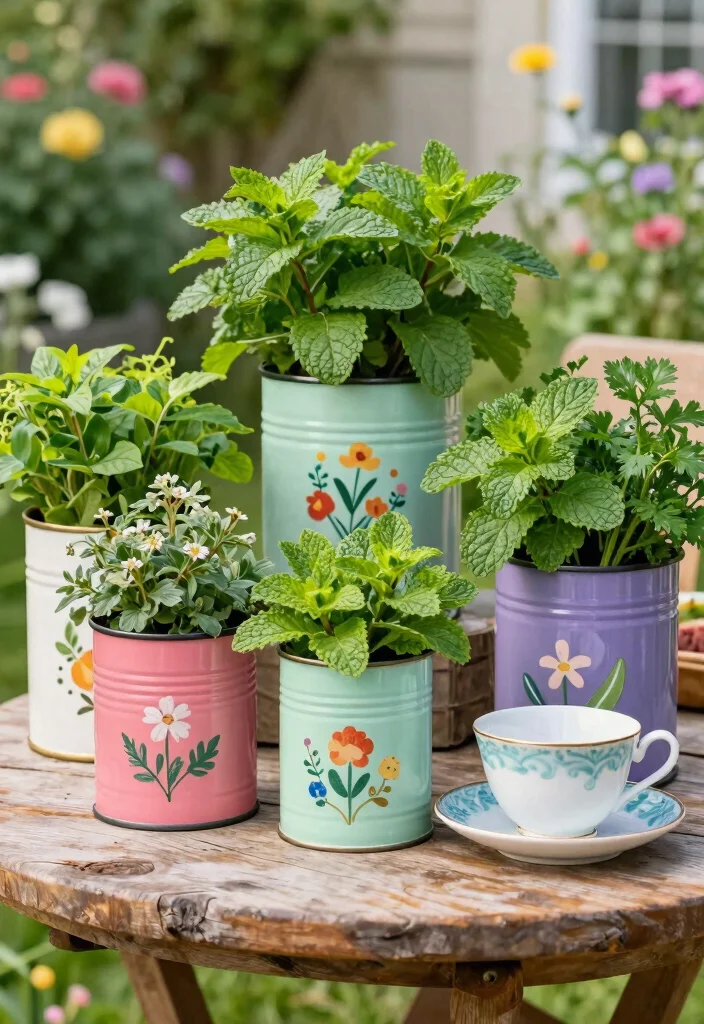
Do you love a good DIY project? Transforming old containers into herb planters is a fun and sustainable way to garden. From tin cans to teacups, almost anything can become a charming planter that adds personality to your garden.
Ensure proper drainage by drilling holes in the bottom, and feel free to mix and match for a playful aesthetic. You can personalize them with paint or twine, turning each container into a unique piece of art.
Ingredients:
– Old containers (tin cans, teacups, etc.)
– Drill for drainage holes
– Potting soil
– Herb plants (like chives or basil)
Instructions:
1. Clean and prepare your containers.
2. Drill holes in the bottom for drainage.
3. Fill with potting soil and plant your herbs.
4. Personalize as desired.
5. Water and enjoy your creative planters!
FAQs:
– Can I use any container? Yes, just ensure they are safe for plants.
– How do I ensure they drain well? Drill sufficient holes in the bottom.
12. Vertical Herb Wall with Trellis

Are you dreaming of a vertical garden that also serves as art? A trellis can beautifully support climbing herbs while creating a stunning backdrop for your outdoor space. By attaching pots or planting directly in the trellis, you can design a lush green wall that is both functional and gorgeous.
Choose a sturdy trellis made of wood or metal, and don’t forget to decorate it with lights or ornaments for added charm. Imagine the beauty of climbing beans next to your favorite herbs, creating a mixed garden that dazzles.
Ingredients:
– Sturdy trellis (wood or metal)
– Herb plants (including climbing beans)
– Potting soil
– Water
Instructions:
1. Securely anchor the trellis in your garden.
2. Plant herbs directly in the trellis or attach pots.
3. Water thoroughly and ensure they receive sunlight.
4. Decorate with lights or ornaments.
5. Enjoy your inviting garden space!
FAQs:
– Can I plant other types of plants? Yes, but check compatibility.
– How do I maintain the trellis? Regular watering and pruning will keep it healthy.
Fun fact: A trellis can support up to 8 herbs per square meter, turning a tiny balcony into a lush vertical herb garden ideas wall you can harvest weekly. Plants climb, lights glow, and practicality meets art.
Conclusion

Transforming small outdoor spaces with vertical herb gardens not only brings the joy of gardening to urban dwellers but also enhances home decor with vibrant greenery.
Whether you opt for wall-mounted planters, hanging baskets, or even creative DIY projects, these vertical herb garden ideas provide practical solutions for cultivating fresh herbs in limited spaces. Embrace your gardening journey and enjoy the delightful flavors that come from your very own herb garden.
Note: We aim to provide accurate product links, but some may occasionally expire or become unavailable. If this happens, please search directly on Amazon for the product or a suitable alternative.
This post contains Amazon affiliate links, meaning we may earn a small commission if you purchase through our links, at no extra cost to you.
Frequently Asked Questions
What are the best vertical herb garden ideas for a small balcony?
Here are some top vertical herb garden ideas you can use on a small balcony, without crowding your floor space. Think hanging pocket planters, wall-mounted herb rails, railing planters, and stacked vertical towers powered by modular containers. For example: repurposed pallets, fabric pockets, or a slim metal frame. Choose a sun-facing spot and group 4–6 herbs that thrive in containers (basil, thyme, oregano, parsley, cilantro, chives, mint with a barrier). Ensure drainage with a tray and a quality potting mix. Water in the morning and mulch to reduce evaporation. With small space gardening and vertical gardening solutions, you can create an outdoor herb garden that looks great and stays productive. These vertical herb garden ideas maximize every inch of your balcony.
How can I maximize space and stay organized with a compact balcony herb setup?
Start with a simple space plan: measure your balcony, note sun hours, and sketch a layout that keeps herbs within easy reach. Use modular, stackable, or rail-mounted systems to free floor space. Group plants by water needs and sun exposure (sun-loving on top, shade-tolerant below). Label each container and use uniform pots for a clean look. Choose container gardening ideas that are lightweight and weatherproof, plus a slim drip tray to catch drainage. For added cohesion, pick a color palette and finish with weatherproof liners to protect surfaces. With smart organization and urban gardening tips, a compact balcony can feel lush and productive. This approach is a core part of vertical herb garden ideas for small spaces.
Which herbs thrive in vertical gardens and how should I care for them?
Herbs that thrive in vertical setups include basil, parsley, cilantro, chives, thyme, oregano, and mint (grow mint in a dedicated pot to control spreading). Use a lightweight, well-draining potting mix with good nutrients. Place in bright sun (4–6 hours) and water consistently—vertical setups can dry out faster, so check soil daily. Feed with a balanced fertilizer every few weeks. Prune regularly to keep plants compact and prevent crowding. This outdoor herb garden approach makes fresh flavors available and aligns well with vertical herb garden ideas and small space gardening.
What common mistakes should I avoid in vertical herb gardening and how can I prevent them?
Common mistakes include overwatering or poor drainage, which can rot roots; using heavy pots on weak structures; blocking sun with dense foliage; ignoring sun exposure and ending up with leggy herbs; using soil that compacts in a vertical system; not planning for growth or harvest; and neglecting pest control. To avoid these, pick pots with drainage, use lightweight potting mix, and choose a sturdy vertical frame rated for weight. Ensure adequate sun, rotate plants with seasons, and water at the base to keep leaves dry. Contain mint to a separate pot, prune regularly, and inspect for pests weekly. For ongoing success, combine these tips with container gardening ideas and urban gardening tips.
How can I style and customize a vertical herb garden to suit urban decor on a budget?
Style your vertical herb garden to be a design feature on an urban balcony. Use weatherproof materials like cedar, powder-coated metal, or fabric planters in colors that complement your décor. Build a modular wall panel with interchangeable pots so you can swap herbs by season. Repurpose items like shoe organizers, wooden crates, or hanging pockets for a budget-friendly look. Add labels with chalk markers or metal tags for easy identification. Include a slim tray or decorative screen to hide drainage. With thoughtful styling and reliable care, your outdoor herb garden doubles as art and utility in urban spaces, and all of this fits into practical urban gardening tips and vertical gardening solutions.
Related Topics
vertical herb garden
small space gardening
urban gardening
container gardening
outdoor herb garden
DIY vertical garden
space-saving solutions
beginner friendly
easy gardening tips
balcony gardening
sustainable living
trending garden ideas