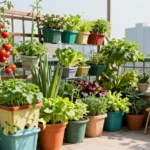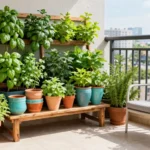
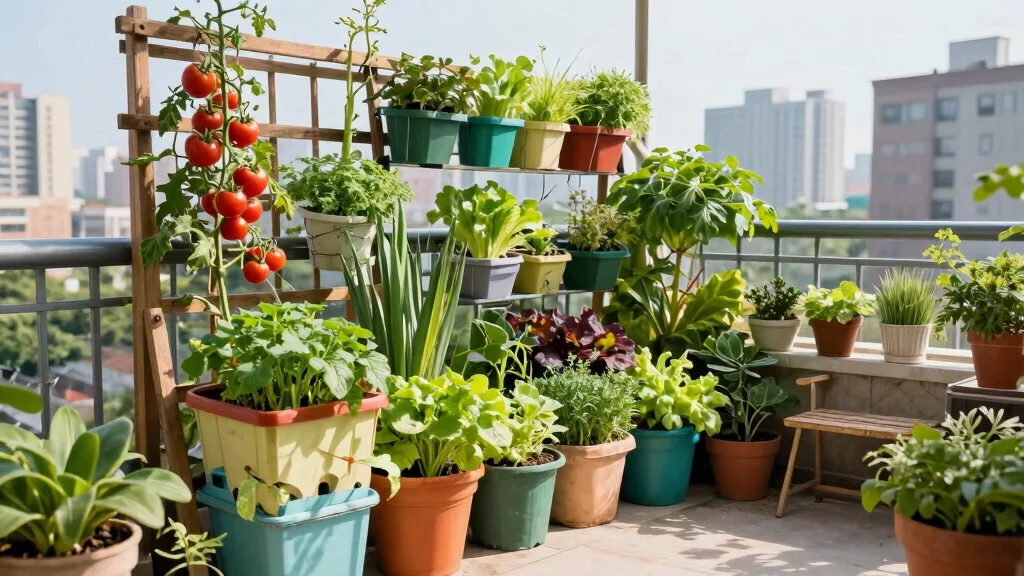
Creating a vertical vegetable garden can be a game-changer for those of us navigating the challenges of small spaces. Urban gardening has me feeling inspired and eager to cultivate fresh produce right on my balcony or patio. If you’re someone who dreams of enjoying homegrown veggies but feels limited by your garden’s size, you’re in good company. This post is for anyone passionate about sustainable gardening solutions, container vegetable gardening, or simply looking to spice up their home decor with greenery.
I’ve gathered 12 vertical vegetable garden ideas that not only maximize your yield but also enhance your small garden’s aesthetic. Each idea is designed to be practical, elegant, and, best of all, tailored for urban settings. Whether you’re a seasoned gardener or just starting out, this guide will provide you with exciting, easy-to-implement ideas that make your gardening journey rewarding and fulfilling. Get ready to transform your small space into a lush, vertical oasis!
Key Takeaways
– Discover innovative vertical vegetable garden ideas that maximize yields in small spaces.
– Learn how to incorporate urban gardening solutions into your home decor.
– Explore materials and designs, such as hanging baskets and wall-mounted planters, that fit your style.
– Understand tips for selecting the best plants suited for vertical gardening.
– Gain insights into sustainable practices that enhance both your garden and the environment.
How To Choose The Right Vertical Planter
When selecting a vertical planter, there are several key aspects to consider to ensure you create a thriving garden.
1. Size: Consider the available space in your garden. Measure the height and width of the area where you plan to install the vertical planter. Compact designs work best for tight spots, while larger planters can create impressive displays.
2. Material: Look for durable materials that suit your gardening environment. Options like wood, metal, and plastic each have their pros and cons. Wooden planters offer a rustic look but may require more maintenance, while plastic can be lightweight and easy to manage.
3. Drainage: Ensure your planter has proper drainage to prevent waterlogging. Planters with drainage holes or built-in systems help maintain healthy roots and promote plant growth.
4. Plant Compatibility: Not all plants thrive in vertical gardens. Choose plants that grow well in confined spaces, such as herbs, leafy greens, and small fruiting plants. Research the growth habits and sunlight requirements of your selected vegetables.
5. Aesthetic Appeal: Your garden should reflect your personal style. Select vertical planters that complement your home decor while being functional. A visually appealing setup can enhance your outdoor space.
Pro Tip: Consider a combination of planter styles to create visual interest and maximize growing opportunities. Use varying heights and materials to bring depth to your vertical garden.
How Does Vertical Gardening Work?
Vertical gardening is an effective way to grow plants in limited space by utilizing vertical structures. This method works by stacking or arranging plants in tiers, making them accessible and visually attractive.
1. Choose Your Structure: Start with a vertical garden frame or wall-mounted planters. This could include trellises, wall pockets, or DIY solutions using recycled materials.
2. Prepare the Plants: Select appropriate plants and prepare them for transplanting. Ensure they are well-watered and healthy before placing them in your vertical setup.
3. Arrange Plants Efficiently: Position taller plants at the back or top of your structure and shorter ones in the front or bottom. This layout allows maximum sunlight exposure and makes care easier.
4. Watering Technique: Water the plants carefully, ensuring the water drips down through the layers. Consider using a drip irrigation system for efficiency.
5. Maintenance: Regularly check for pests and diseases. Prune the plants as needed to encourage growth and prevent overcrowding.
Best for: Beginners and experienced gardeners alike, vertical gardening is perfect for maximizing yields in small urban spaces.
How To Install a Vertical Garden
Installing a vertical garden can be a fun DIY project. Here’s how to get started:
Tools You’ll Need:
– Tape measure
– Drill with bits
– Level
– Potting soil
– Plants of your choice
– Watering can or hose
Step 1: Measure & Prep
✔ Measure your wall or area where the garden will be installed.
✔ Ensure the location receives adequate sunlight for your chosen plants.
Step 2: Choose Your Planter
✔ Select a vertical planter that fits your space and style.
✔ Consider how many plants you want to grow to determine the size.
Step 3: Secure the Planter
✔ Use a level to mark where the planter will go and drill the necessary holes.
✔ Ensure the planter is securely fastened to the wall or support structure.
Step 4: Fill with Soil
✔ Fill the planter with quality potting soil, ensuring it’s packed tightly to avoid settling.
✔ Leave some space at the top for planting.
Step 5: Plant and Water
✔ Gently transplant your chosen plants into the soil, following specific spacing recommendations.
✔ Water thoroughly but avoid making the soil too soggy.
Step 6: Maintain Regularly
✔ Keep an eye on your plants, ensuring they receive the right amount of sunlight and water.
✔ Harvest when ready and enjoy your fresh vegetables!
⏱ Time: ~1-2 hours | 💡 Tip: Enlist a friend to help with measurements and installation for a smoother process!
1. Wall-Mounted Planter Boxes

Do you have limited space but a big desire to garden? Wall-mounted planter boxes are here to save the day! They allow you to cultivate beautiful herbs while freeing up your floor area. Imagine fresh basil, parsley, and cilantro right at your fingertips, adding flavor and fragrance to your meals. Plus, using reclaimed wood or sleek metal can bring a unique style to your home. You can even paint them in vibrant colors to match your decor, making gardening an art form too!
Make sure to drill drainage holes to keep your plants thriving! Arrange boxes at different heights for a dynamic look, and don’t forget to add trailing plants for extra flair.
Ingredients for Success:
– Wall-mounted planter boxes
– Potting soil
– Variety of herbs
– Wall anchors for stability
2. Hanging Garden Baskets

Ready to elevate your gardening game? Hanging garden baskets can transform your space into a lush paradise! Suspend them from ceilings or balconies to create a stunning display. Picture yourself picking sweet strawberries or cherry tomatoes right outside your kitchen window. You can choose from wire, coco coir, or even recycle old containers for a personal touch.
Make sure your baskets have good drainage and use lightweight potting mix to keep them manageable. Water often, especially on hot days, to keep your plants happy and thriving.
Ingredients for Success:
– Hanging garden baskets
– Lightweight potting mix
– Strawberry plants or cherry tomatoes
– Hooks or chains for hanging
3. Vertical Hydroponic Towers

Looking for an efficient way to garden in limited space? Vertical hydroponic towers are the future! These self-sufficient systems allow you to grow fresh veggies without soil, using nutrient-rich water instead. With the ability to cultivate up to 30 plants vertically, you’ll maximize every inch of space. Great for herbs and greens, many towers even come with LED lights for year-round indoor gardening.
Keep an eye on water levels and nutrient balance for a healthy harvest. Mix and match plants for a colorful, edible display that’s both beautiful and functional.
Ingredients for Success:
– Vertical hydroponic tower system
– Hydroponic nutrient solution
– Variety of seeds or seedlings
– Water pump
❝Vertical vegetable garden ideas turn tiny spaces into high-yield havens—think hydroponic towers stacking up to 30 plants. Use nutrient-rich water and LED lights for year-round herbs and greens. Keep water levels steady and balance nutrients for a thriving, delicious harvest.❞
4. Pallet Vertical Garden

Get creative with pallet vertical gardens! This eco-friendly option breathes new life into old pallets while giving you a rustic garden display. Simply attach a pallet to a wall, fill it with soil, and plant veggies of your choice. It’s especially great for herbs, lettuces, and radishes, and a painted pallet can add a splash of color to your garden!
Remember to line the back with landscape fabric to hold the soil in place. Since soil can dry out faster, your watering routine may need some extra attention. Arrange your plants for a visually appealing setup.
Ingredients for Success:
– Old wooden pallet
– Potting soil
– Variety of seedlings
– Landscape fabric
5. Vertical Gutter Garden

Want to add a unique twist to your gardening? A vertical gutter garden is the answer! Using sections of PVC or metal gutters, you can create a tiered garden that hangs on any wall. This clever setup is perfect for herbs, leafy greens, or even small strawberries, and you can paint the gutters to match your style.
Ensure the gutters have drainage holes and are securely mounted. Plant compatible herbs and make sure all levels get enough sunlight for thriving growth.
Ingredients for Success:
– Sections of gutters
– Mounting brackets
– Potting soil
– Seedlings of herbs or greens
6. Ladder Garden

Turn an old ladder into a charming vertical vegetable garden! By placing pots on each rung, you can create a multi-level garden that’s both stylish and space-efficient. This approach adds personality to urban spaces while allowing you to grow a variety of plants. Use colorful pots for a fun look or stick to one color for a neat appearance.
Secure the ladder to a wall for stability and ensure pots have drainage. Adding trailing plants will create a soft, cascading effect.
Ingredients for Success:
– Old wooden or metal ladder
– Assorted plant pots
– Potting soil
– Variety of plants (herbs, flowers, vegetables)
Believe it or not, a ladder garden can boost your vertical vegetable garden ideas without crowding a balcony. Pro tip: secure the ladder, add pots with drainage, and use trailing plants for a lush, space-saving harvest.
7. Recycled Bottle Garden

Get crafty with a recycled bottle garden! This fun DIY project transforms plastic bottles into hanging or stacked planters. Cut them in half, fill with soil, and plant your favorite herbs or small vegetables. Not only is it eco-friendly, but it also adds a touch of creativity to your gardening space.
Add some paint for flair or create unique hanging arrangements that brighten any area. Plus, they’re lightweight and easy to manage!
Ingredients for Success:
– Empty plastic bottles
– Potting mix
– Twine or strong cable
– Seeds or seedlings
Fun fact: A single household can jumpstart vertical vegetable garden ideas with just 5–10 recycled bottles, growing herbs and greens in tiny spaces. It’s a simple, eco-friendly trick that adds color and flavor to any balcony.
8. Columnar Vegetable Garden

Columnar vegetable gardens are a modern solution for maximizing space! These designs allow you to grow a variety of vegetables in a tall, narrow format, perfect for small areas. Using stacked planters or tiered pots helps elevate your plants for better sunlight exposure.
Choose plants like peppers, lettuce, and dwarf tomatoes that thrive in vertical settings. This method not only saves space but also makes harvesting easier!
Ingredients for Success:
– Columnar planter system or stacked pots
– High-quality potting soil
– Selection of vegetable seedlings
– Drip irrigation system (optional)
9. Living Wall Garden

Create a stunning living wall garden that brings nature indoors! These installations can be made with modular planting systems or by attaching potted plants to a vertical surface. The result is a lush wall filled with greens, including herbs and small vegetables, which not only beautifies your space but also improves air quality.
Choose plants with similar light and water needs for easy maintenance. Rotate plants occasionally to ensure they grow evenly.
Ingredients for Success:
– Modular living wall system or wall-mounted pots
– Potting soil
– Selection of plants (herbs, flowers, vegetables)
– Watering system (optional)
10. Vertical Vegetable Garden on a Fence

Transform your fence into a vibrant vertical vegetable garden! By using wall planters or hanging boxes, you can create a living canvas that’s perfect for climbing plants like peas and beans. This approach not only saves space but also enhances the beauty of your outdoor area.
Keep an eye out for pests, as they can thrive in vertical gardens. Group plants with similar sunlight and watering needs for easy upkeep.
Ingredients for Success:
– Vertical wall planters or pots
– Climbing supports (like trellises)
– Potting soil
– Variety of vegetable seedlings
11. Tiered Plant Stand

A tiered plant stand adds both beauty and function to small spaces! This structure allows you to arrange various pots on multiple levels, creating an eye-catching garden display. Ideal for herbs, lettuces, and dwarf vegetables, a tiered stand enhances the accessibility of your plants.
Select a stand made of wood or metal and have fun experimenting with pot colors and sizes for added charm!
Ingredients for Success:
– Tiered plant stand
– Assorted pots
– Potting mix
– Variety of seedlings
12. Vertical Garden Trellis

Add elegance to your garden with a vertical garden trellis! This structure is perfect for supporting climbing vegetables like cucumbers and squash while saving ground space. A trellis not only helps plants grow upwards but also improves air circulation, promoting healthier plants.
Select a trellis that matches your garden style—whether rustic wood or sleek metal. Make sure it’s securely anchored to handle the weight of your plants.
Ingredients for Success:
– Vertical garden trellis
– Potting soil
– Variety of climbing vegetable seedlings
– Twine or plant ties
Conclusion
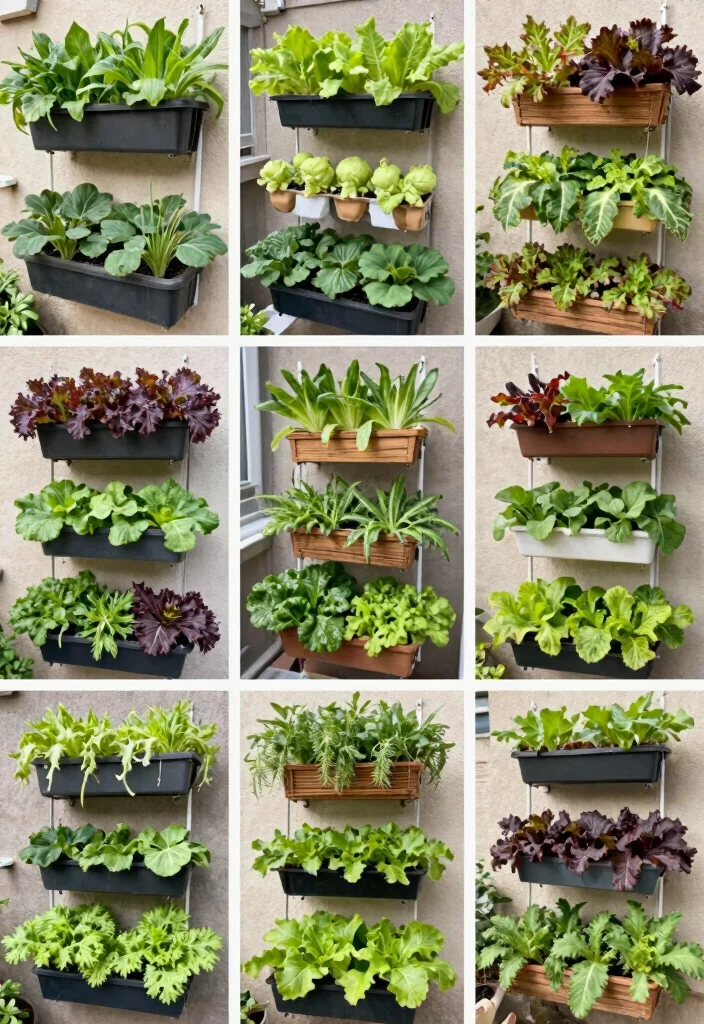
Creating a vertical vegetable garden doesn’t just provide fresh produce—it also brings life and personality to any small space.
Whether you choose to utilize wall-mounted planters, hanging baskets, or innovative hydroponic systems, there’s a world of options waiting for you.
Explore these vertical vegetable garden ideas and see how you can transform your urban living space into a lush, green oasis.
Note: We aim to provide accurate product links, but some may occasionally expire or become unavailable. If this happens, please search directly on Amazon for the product or a suitable alternative.
This post contains Amazon affiliate links, meaning we may earn a small commission if you purchase through our links, at no extra cost to you.
Frequently Asked Questions
What are the best vertical vegetable garden ideas for a high-yield small garden?
Explore practical vertical garden ideas that maximize yield in a small space. Start with vertical planters or tiered systems mounted on a wall, then add container vegetable gardening in freestanding towers or railing planters. Use urban gardening ideas like pocket panels, recycled pallet boxes, or hanging fabric pots to squeeze more plants into a compact footprint.
Choose compact, high-yield varieties such as leafy greens, bush beans, dwarf tomatoes, peppers, and fresh herbs, and mix in root crops that tolerate shallow soil. For best results, use good potting mix, add slow-release fertilizer, and group plants with similar water needs to simplify irrigation. Finally, water consistently and ensure at least 4–6 hours of sun daily for great production.
How can I set up a vertical vegetable garden on a balcony or small outdoor space?
Start by assessing sunlight, wind, and weight limits. Pick a setup with lightweight vertical planters or fabric grow bags designed for container vegetable gardening. Mount a wall system or use freestanding towers that can be moved. Use a simple drip irrigation kit or capillary mat to keep watering consistent, and place drainage trays to protect surfaces. For quick wins, plant leafy greens and herbs first, then add bush beans or cherry tomatoes as space allows. Rotate crops seasonally and protect against pests with natural methods for long-lasting harvests.
Which vegetables grow best in vertical planters and how many can I plant?
Vertical planters shine with shallow-root and compact varieties like lettuce, spinach, arugula, chives, basil, cilantro, and parsley, plus bush beans, dwarf tomatoes, cucumbers trained on a trellis, and small peppers. In terms of capacity, a 12-inch-wide pocket might hold 1–2 small plants, while an 18–24 inch-wide panel can accommodate 4–6 plants depending on their size. Use staggered planting to keep harvests coming and group crops with similar water needs to simplify care in small space gardening setups.
What sustainable gardening solutions work well for vertical gardens?
Embrace sustainable ideas like collecting rainwater in a simple sustainable gardening solutions setup and using a drip irrigation system to minimize water waste. Reuse containers and recycled materials for vertical planters, mulch to reduce evaporation, and a compost-rich soil mix to feed plants without synthetic fertilizers. Favor native, drought-tolerant crops to cut water use, and consider shade cloth or wind protection to extend your growing season in urban environments.
How do I maintain a high yield in a vertical garden within a small space?
Consistency is key. Prune and train vining crops on trellises, pinch back to keep plants compact, and rotate crops seasonally to prevent disease. Feed regularly with a balanced container vegetable gardening mix or compost tea, and water deeply but infrequently to encourage strong root growth. Monitor for pests using natural controls and keep surfaces clean to reduce disease. With proactive pruning, proper fertilization, and good irrigation, you can sustain a high yield in vertical garden ideas for small spaces.
Related Topics
vertical vegetable garden
urban gardening
small space gardening
container gardening
sustainable solutions
vertical planters
beginner friendly
high yield gardening
DIY vertical gardens
space-saving designs
easy gardening
edible landscaping