
I’ve discovered that cutting back to 85% capacity actually unlocks productivity instead of burning you out. The magic happens when you shift small procedures to hygiene visits, protecting your doctor’s time for complex cases. Spread clinical days across the week to eliminate bottlenecks, automate reminders to slash no-shows, and speed up check-in with digital tablets—dropping wait times from 15 minutes to 3. Daily standups surface scheduling delays instantly, while real-time data tracking sustains your gains. There’s much more strategy behind these seven moves.
Redesign Your Schedule to Stop Running at 100% Capacity
Why do so many dental practices operate like they’re constantly putting out fires? I’ve discovered the answer: running at 100% capacity destroys everything you’ve built.
I shifted to an 85% utilization target, and honestly, it’s transformative. Here’s what I did: I implemented schedule spreading across four-day models and staggered team schedules, which eliminated bottlenecks without adding rooms. Prime-time protection became non-negotiable—I reserved my best hours for hygiene-driven rapid treatments and larger cases, letting hygienists handle smaller procedures.
The magic? Small delays no longer compound. Same-day dentistry returned. My team actually breathes. We’re not just surviving—we’re thriving together with flexibility for growth and genuine emergencies. Operating smarter beats operating harder every single time.
Shift Small Procedures to Hygiene Visits to Protect Doctor Time
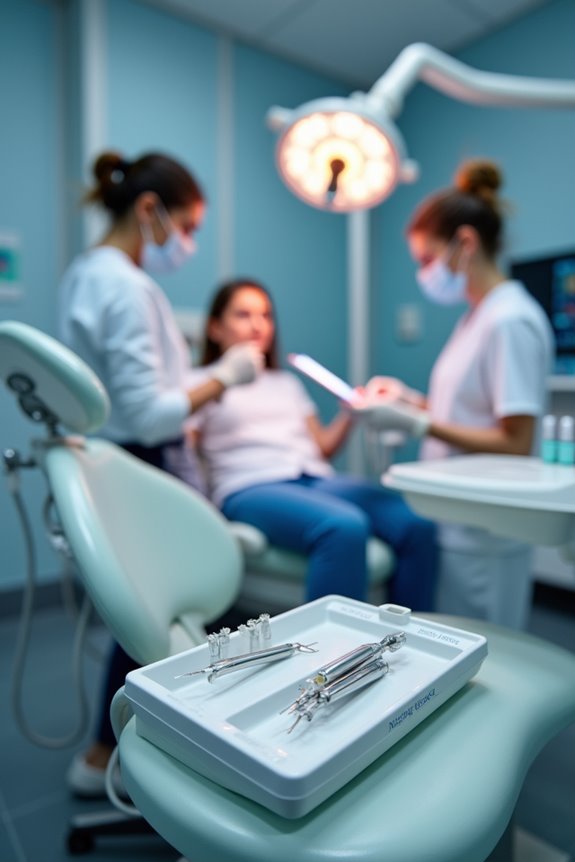
How’d I release an extra 10–15 hours of prime doctor time each week without hiring another dentist or building another operatory? I shifted small procedures to hygiene visits. Here’s what changed everything: I stopped scheduling minor treatments during peak hours. Instead, my hygiene team now handles simple cases while I focus on complex restorations. This hygiene-driven treatment plan approach requires solid treatment planning upfront—we map out exactly what happens during each visit. Same-day dentistry became possible because patients receive comprehensive care in one appointment. My schedule optimization meant consolidating procedures strategically, preventing fragmentation that kills productivity. Staff alignment mattered tremendously; everyone understood the new flow. The result? Smoother doctor chair time, happier patients, and genuinely more capacity without expansion costs. That’s the kind of win every practice craves.
Spread Clinical Days to Eliminate the Bottleneck Mentality

Shifting procedures to hygiene visits freed up my chair time, but I realized I still had a bigger problem: my schedule was built like a traffic jam. I was concentrating too many patients on certain days, creating bottlenecks that slowed everything down.
Your schedule is only as good as your most congested day—spread the load to smooth the flow.
So I spread my clinical days across the week instead. Here’s what changed:
- Front desk scheduling shifted to stagger patient flow evenly
- Chair time utilization improved through cross-coverage between clinicians
- Extended clinic days reduced crowding without adding operatories
My team embraced this new rhythm. We distributed the patient load fairly, ditched the A team/B team mentality, and implemented a four-day model with flexible shifts. Better workflow coordination meant smoother handoffs and less downtime.
Same-day dentistry became realistic. We’re delivering higher-value care by flowing smarter, not just filling every slot.
Automate Reminders to Cut No-Shows and Reclaim Schedule Slots
No-shows were costing me thousands in lost chair time until I automated my reminder system—and that’s when everything shifted. I implemented a three-touch cadence: pre-visit, day-before, and same-day confirmations through email and text. This keeps patients engaged and informed about appointment details and wait times.
The real game-changer? My automated reminders include flexible rescheduling options and online booking links, letting patients adjust their appointments instantly. No more manual calls clogging my front desk—my team now focuses on actual patient care instead of chase-down follow-ups.
My chair occupancy improved dramatically. Schedule optimization became effortless because no-shows dropped significantly. Appointment scheduling gaps disappeared as timely rescheduling filled slots automatically. I’m reclaiming thousands monthly through this single system upgrade.
Speed up Check-In With Digital Tools at the Front Desk
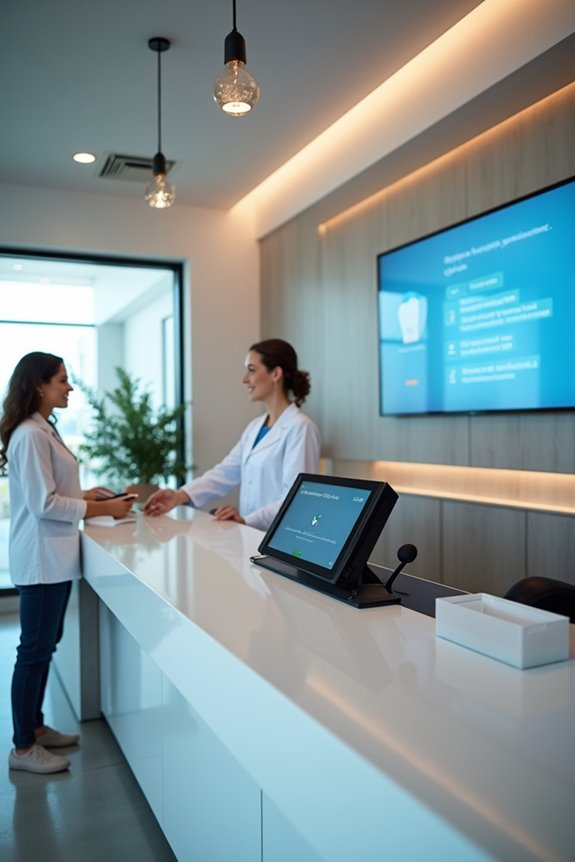
While my reminder system crushed no-shows, I realized my front desk was still drowning in paperwork and phone calls—that’s when digital check-in tools transformed everything.
My reminder system crushed no-shows, but my front desk was drowning in paperwork until digital check-in tools transformed everything.
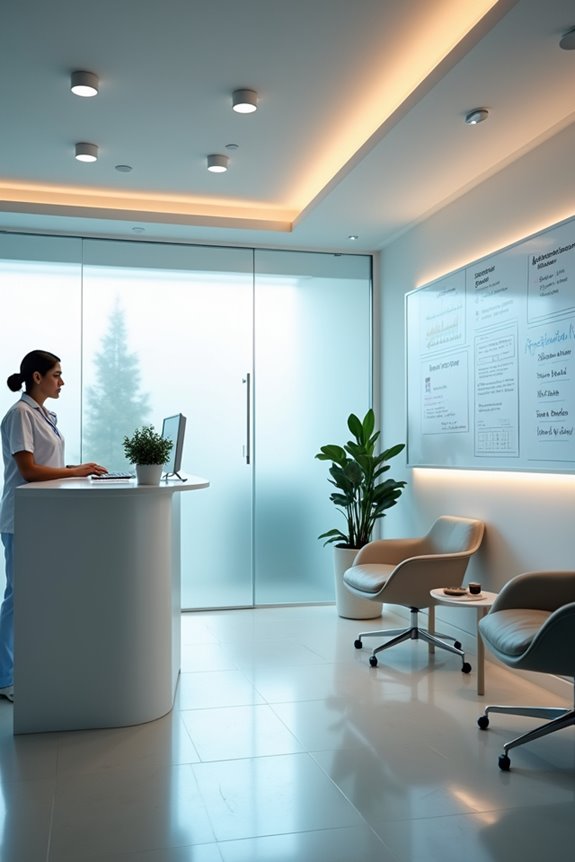
I installed tablets throughout my waiting room, letting patients self-check in instantly. Here’s what changed:
- Eliminated paperwork bottlenecks by moving forms to digital platforms
- Reduced wait times from 15 minutes to just 3 minutes average
- Freed staff to handle complex scheduling and patient questions
My front desk efficiency skyrocketed because staff stopped manually processing forms. Patients loved the convenience, and I noticed appointment duration accuracy improved too. Combined with my automated reminders and online scheduling system, everything clicked into place. My team finally had breathing room, and our chairs stayed occupied longer. Digital check-in wasn’t just an upgrade—it was the missing puzzle piece.
Run Daily Standups to Surface and Fix Schedule Delays in Real Time

I’ve found that holding a quick 5–10 minute standup each morning with my front desk, hygiene, and assistant teams transforms how we handle schedule delays—we’re literally catching bottlenecks before they derail the whole day. By focusing our conversation on real-time issues like late starts, hygiene backlogs, and treatment gaps, I can assign owners on the spot and see problems fixed within hours instead of watching them snowball into afternoon chaos. What’s really powerful is that I document these action items and circle back in that same standup to confirm completion, which creates genuine accountability and means fewer of the same delays keep repeating tomorrow.
Real-Time Schedule Visibility
How many hours does your team waste each week hunting down scheduling conflicts or discovering mid-morning that a patient cancelled without notice?
I’ve found that real-time schedule visibility transforms everything. When you integrate practice management software into your daily standups, you’re gaining live access to room utilization, provider availability, and patient flow indicators. This means spotting appointment gaps instantly—not hours later.
Your team should monitor:
- Wait times and prime-time overflow risks
- Cases requiring extra prep or lab coordination
- Same-day dentistry opportunities from cancellations
Real-time schedule management lets you immediately reschedule late cancellations, reallocate assistants, or shift hygiene slots. You’re preventing cascading delays before they happen. This integrated approach reduces no-shows, cuts overtime, and keeps your dental office running smoothly. That’s the productivity boost we’re all chasing.
Identifying Bottlenecks Daily
Seeing your schedule in real time is fantastic, but you’ve got to do something with that information—and that’s where daily standups save your practice. I run five-to-ten-minute huddles every morning with my front desk, hygiene, and clinical teams. We review patient flow, room availability, and provider time slots together on a live visual board. This quick sync surfaces scheduling bottlenecks immediately—like when one hygienist’s chair backs up and blocks the doctor’s next three appointments. We identify the rate-limiting step fast. Then we act: reassign staff, shuffle non-urgent procedures, or shift start times. Everyone knows their role and what we’re fixing today. That concrete action—owned by someone specific—directly reduces our next ninety-minute delays. It’s teamwork that transforms schedules into smooth operations.
Immediate Problem Resolution
Daily standups aren’t just meetings—they’re your practice’s nerve center for catching schedule chaos before it spirals. I run mine every morning for 5-10 minutes, and it’s transformed how we handle real-time scheduling hiccups.
Here’s what makes them work:
- Track live KPI metrics like cancellation rates and no-show percentages instantly
- Identify bottlenecks such as hygiene overflow or assistant delays immediately
- Assign accountability owners who own recovery actions right then
We document everything on a shared live board, so everyone knows who’s fixing what. This keeps doctor time—our biggest constraint—protected and productive. When we spot a problem early, we re-sequence procedures or shift minor cases to off-peak slots before things cascade. Your team feels invested because they’re solving problems together, not firefighting later.
Track Scheduling Gaps With Real-Time Data to Sustain Gains

When’s the last time you spotted a half-empty treatment room before it cost you hundreds in lost revenue?
Real-time scheduling transforms how you manage your day. I’m talking about tracking scheduling gaps as they happen—spotting appointment utilization dips instantly instead of discovering them in monthly reports. You’ll catch no-shows immediately, triggering proactive rescheduling before prime dentist time disappears.
Spot scheduling gaps instantly. Catch no-shows immediately. Reschedule before prime dentist time disappears.
Your team watches live KPIs during morning huddles. When cancellations pop up, automated alerts fire instantly. You reallocate staff to high-demand periods without scrambling. That visibility? It’s game-changing. Small gaps don’t snowball into massive delays anymore.
AI-powered analytics even forecast your capacity needs one to two weeks ahead. You’re sustaining productivity gains without adding expensive treatment rooms. That’s the sweet spot where data meets strategy—and your bottom line thanks you.