Florida’s groundwater sits just a few feet below the surface, making basement digging a waterlogged nightmare. You’d hit clay that swells when wet, shallow limestone bedrock hiding sinkholes, and constant moisture seeping through walls. Add hurricane storm surge and heavy rains overwhelming sump pumps, and basements become expensive liabilities. That’s why builders favor concrete slabs and raised foundations instead—they’re cheaper, durable, and actually stay dry. Stick around to discover exactly what works best.
Florida’s High Water Table Makes Basement Digging Impossible
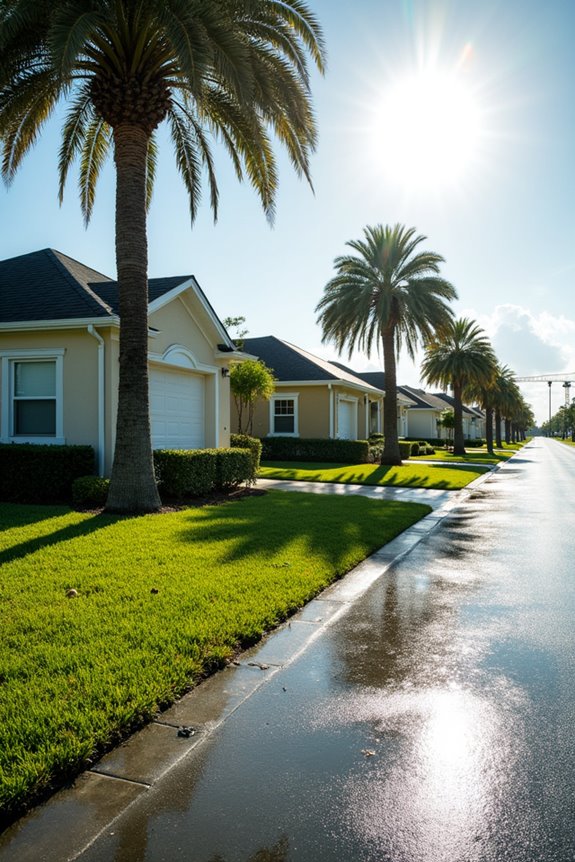
Why can’t Floridians just dig down like homeowners in other states? Here’s the truth: our groundwater sits dangerously close to the surface. In southern Florida, you’ll hit the water table just a few feet below grade—sometimes even shallower. When contractors start excavating for basements, they’re almost guaranteed to strike groundwater, which means expensive waterproofing systems, constant pumping, and elaborate drainage setups. That’s not practical for most of us. Heavy rains and hurricanes make things worse by raising groundwater levels even higher, practically guaranteeing basement flooding and water damage. We’ve learned that fighting our natural environment costs way more than working with it. That’s why smart Florida builders skip basements entirely, choosing elevated foundations or slab-on-grade designs instead.
Clay and Limestone Soil Create Underground Problems
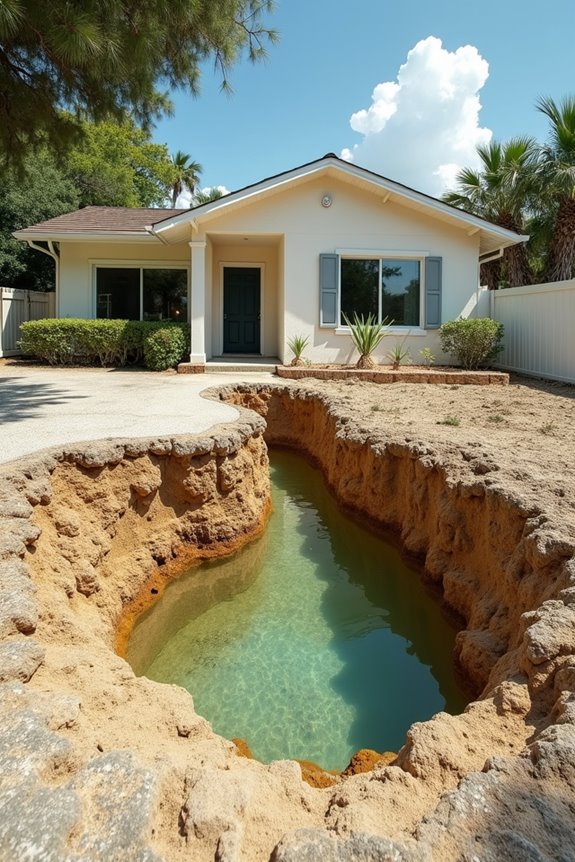
Beyond the water table problem, Florida’s actual soil composition creates its own underground nightmare. I’m talking about clay and limestone—the dynamic duo that makes basement stability a genuine headache for homeowners here.
Here’s what happens: Florida’s clay expands when it absorbs moisture and shrinks as it dries out. This constant movement cracks basement walls and floors like nobody’s business. Meanwhile, limestone bedrock sits shallow beneath the surface, creating hidden voids and sinkhole risks that make excavation challenges incredibly real and expensive.
Deep digging? You’re looking at serious engineering costs, pilings, or relief wells just to stay safe. The limestone karst geology doesn’t play around. Between the clay’s unpredictable shrink-swell action and limestone’s structural complications, you’ve got a recipe for basement disaster that most savvy Florida builders simply skip altogether.
Karst Geology and Sinkhole Risk
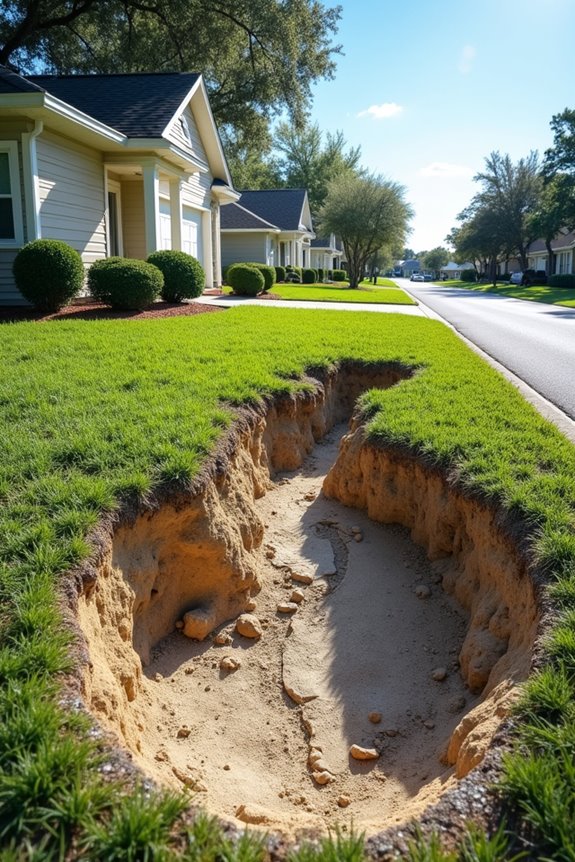
As you dig deeper into Florida’s basement problem, you’ll hit the real culprit: karst geology. This unique underground landscape forms when water dissolves limestone bedrock, creating hidden voids and unstable passages beneath the surface. When builders excavate for basements, they’re gambling with sinkholes—sudden ground collapses that swallow homes whole. I’ve seen foundation risk skyrocket in karst regions because limestone dissolves unpredictably. These carbonate soils can’t reliably support deep basement walls, and sinkholes can appear with little warning. Engineers need specialized monitoring equipment and reinforcement techniques, driving costs way up. Most Florida builders simply skip basements altogether, opting instead for safer slab foundations on solid ground. It’s the smart move when nature’s playing tricks beneath your feet.
Florida Building Codes Discourage Basements
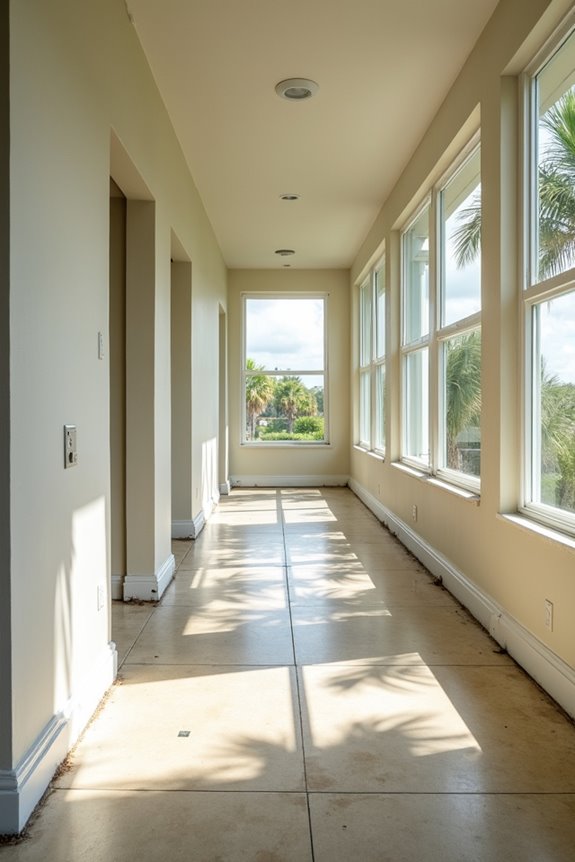
Florida’s building codes themselves actually seal the basement’s fate—and I’ll tell you why. The state’s regulations prioritize slab-on-grade foundations and elevated designs because they work better here. You see, Florida’s high water table means groundwater sits dangerously close to the surface—sometimes just a few feet down. Builders would need expensive moisture control systems and constant drainage maintenance to keep basements dry. Plus, the codes emphasize flood prevention over underground spaces, especially in coastal zones where storm surge threatens properties. These aren’t arbitrary rules; they’re designed to protect you and your investment. The building department essentially says: skip the basement headaches. Instead, embrace what actually works in Florida’s climate and geology. Smart building, really.
Basements Flood in Heavy Rain
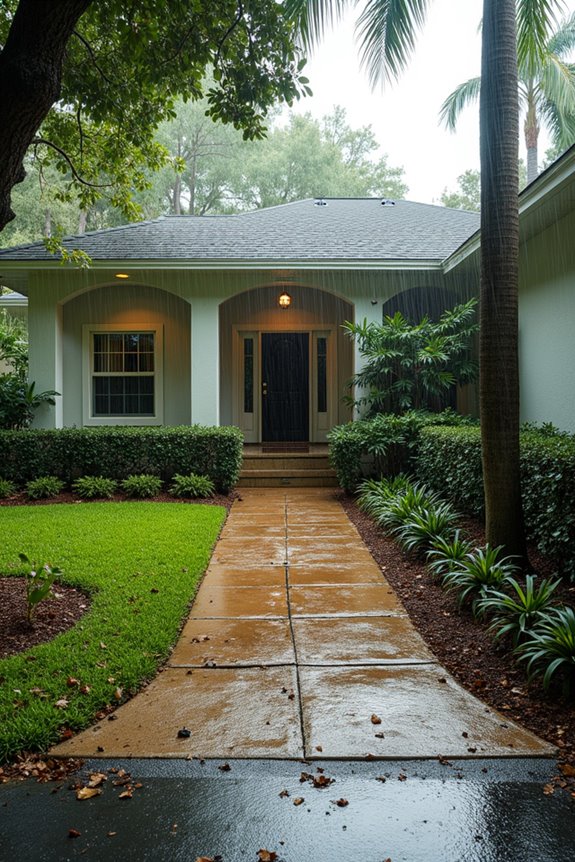
Florida’s heavy rainfall and hurricane season create a perfect storm for basement flooding because you’re dealing with water coming from above *and* below—the water table sits just a few feet down, so saturation happens fast. When you’ve got storm surge pushing seawater inland combined with inches of rain falling in hours, even basements with sump pumps and expensive drainage systems struggle to stay dry. The real problem is mold and water damage that sneaks in despite your best efforts, turning that foundation investment into a constant maintenance headache that’ll drain both your wallet and your patience.
Water Table Saturation Issues
Why do basements in Florida turn into swimming pools the moment a storm rolls through? The culprit is our state’s dangerously high water table—often just a few feet beneath the surface. When you dig down for a basement, you’re essentially creating a hole that fills with saturated soil and groundwater. This means constant flooding risks during heavy rains and storms. Builders discovered that fighting this battle costs serious money: expensive basement waterproofing systems, powerful sump pumps running year-round, and endless moisture management headaches. That’s why most Florida homes sit on slab-on-grade foundations instead—concrete slabs poured directly on the ground. It’s smarter, cheaper, and keeps your home dry. We’re talking about avoiding tens of thousands in water damage and repairs.
Storm Surge and Hurricane Threats
Beyond the relentless groundwater creeping up from below, there’s another reason basements spell disaster in Florida—the brutal force of hurricanes and storm surge that hammers our coast every season. When tropical storms hit, basements flood risk skyrockets because they’re literally the lowest point in your home. I’ve seen it happen: storm surge pushes water inland faster than you’d think possible, and within hours, basements transform into underground pools. That’s why smart Florida builders favor elevated foundations instead. They raise homes several feet above ground level, keeping living space s safe from hurricane threats and flooding. It’s not just about protecting your stuff—it’s about protecting your family. We’ve learned that going up, not down, keeps us secure when nature strikes hard.
Mold and Water Damage Risks
How quickly can a basement transform into a soggy mess? I’ll tell you—faster than you’d think in Florida’s humidity-soaked climate.
Here’s what you’re really up against with basements and water damage:
- Groundwater seepage creeps through foundation walls during rainy seasons, creating damp conditions year-round
- Mold colonies thrive in moisture-rich environments, spreading across stored items and structural materials within weeks
- Sump pump failures leave you vulnerable when heavy rainfall overwhelms drainage systems
- Seawater intrusion during hurricanes causes corrosion and permanent damage to everything below ground level
That’s why I skip basements entirely. The constant battle against flooding and mold isn’t worth it. You’d spend thousands on waterproofing, dehumidifiers, and maintenance just to keep things dry. Above-ground designs? They dodge these nightmares completely. We’re choosing smarter foundations that actually work with Florida’s environment, not against it.
Hurricane Storm Surge Destroys Underground Spaces
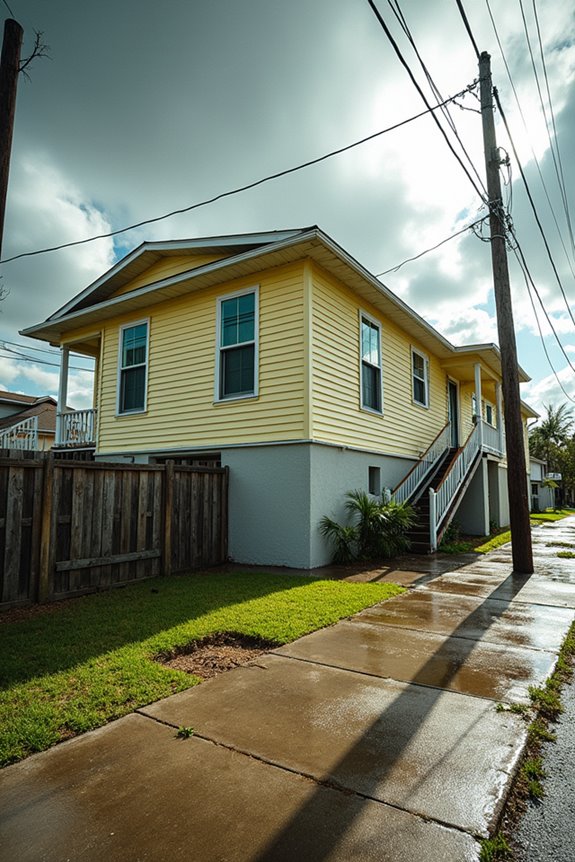
When a hurricane barrels toward Florida’s coast, I’ve learned that basements become death traps—storm surge pushes seawater inland with such force that underground spaces flood within hours, destroying everything stored below ground level. You’re looking at not just ruined furniture and personal items, but serious safety hazards like electrical systems shorting out and mold spreading through your entire home within days. That’s why smart Florida builders skip basements altogether and pour concrete slab foundations or raise homes on pilings instead, keeping living spaces well above the storm surge zone where they belong.
Storm Surge Flooding Risks
Why would any Florida homeowner voluntarily dig a basement when hurricanes regularly unleash catastrophic storm surge that transforms underground spaces into watery tombs within hours?
I’ll tell you—it’s genuinely risky. Here’s what we’re facing in hurricane-prone Florida:
- Rapid inundation: Storm surge floods basements faster than you’d think possible, sometimes within just a few hours during major events
- Ground saturation: Our flat terrain combined with heavy rainfall means water has nowhere to drain, creating waterlogged underground spaces
- Repeated disaster cycles: Florida experiences major hurricanes roughly every 2.5 years, making basement flooding nearly inevitable over time
- Long-term financial burden: Storm surge damage creates substantial flood insurance, mitigation, and maintenance costs that stack up quickly
Elevated foundations keep living areas safely above potential flood levels. That’s why smart Florida builders skip basements altogether and build smarter.
Coastal Basement Vulnerability
Picture this: a Category 4 hurricane barrels toward the coast, and within hours—sometimes just minutes—saltwater floods your basement to the ceiling. I’ve seen it happen in coastal Florida neighborhoods, and it’s devastating. When storm surge pushes seawater inland, basements become traps. Your stored items? Gone. Your foundation? At serious risk. Here’s why: Florida’s flat topography means basements sit as the lowest point on properties, dramatically increasing flood risk. Water intrusion happens fast—faster than you’d think possible. That’s precisely why smart coastal Floridians choose elevated foundations, crawl spaces, and concrete slabs instead. These alternatives keep living spaces above the danger zone. Builders here prioritize quick-drying materials and water prevention strategies because they understand the reality: underground spaces and coastal Florida don’t mix well during hurricane season.
Florida’s Humidity Rots Basements
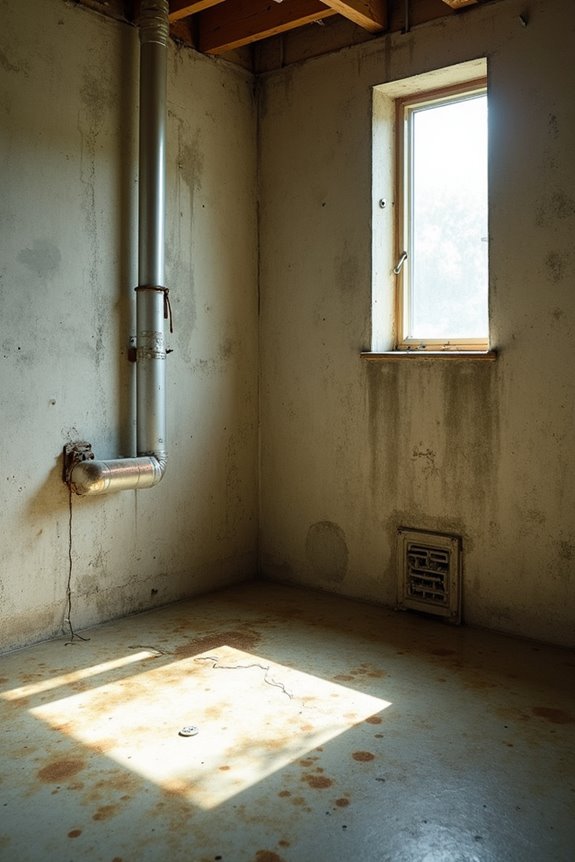
How’d you like to invest tens of thousands of dollars in a basement only to watch it slowly succumb to mold and moisture damage? Florida’s humidity is relentless, and underground spaces can’t escape it. Here’s what you’re really dealing with:
- Wood rot develops when constant moisture weakens structural beams and joists
- Mildew spreads rapidly in warm, damp basement air, affecting your family’s health
- Metal corrosion damages pipes, HVAC systems, and electrical components over time
- Indoor air quality plummets as dampness creates musty odors and allergens
Even with sump pumps and waterproofing installed, Florida’s near-surface water table keeps moisture seeping in. You’d need meticulous maintenance year-round just to keep things dry. That’s why smart Florida homeowners choose raised foundations and above-ground designs instead. Why fight humidity when you can build smarter?
Waterproofing and Pump Systems Fail Over Time
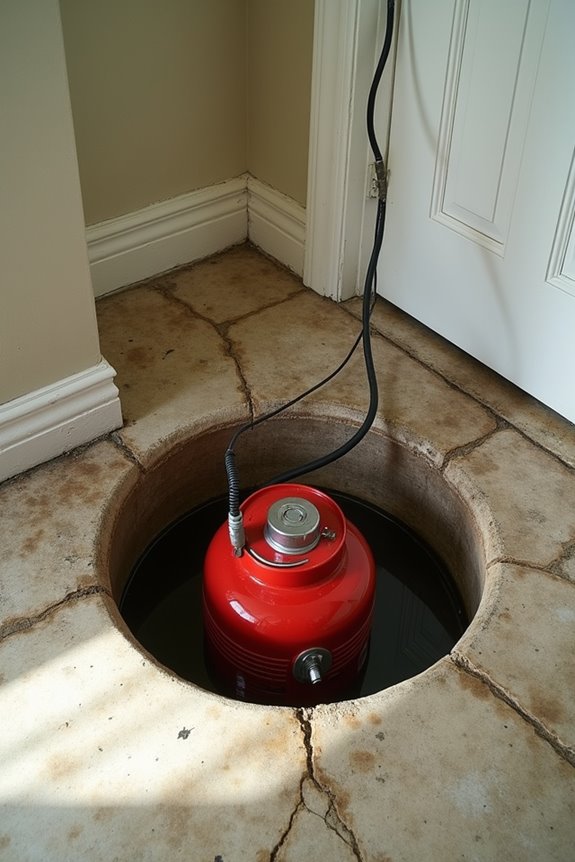
Even if you’ve sealed every crack and installed the best sump pump money can buy, Florida’s relentless groundwater eventually wins the battle. Here’s what I’ve learned from talking with homeowners who’ve tried: waterproofing systems need constant attention. Your sump pumps can’t run 24/7 forever without failing, especially during hurricane season when humidity spikes and rainfall hammers your foundation. The groundwater pressure never stops pushing against your walls. Without flawless drainage systems working perfectly every single day, moisture creeps back in. You’re fighting an uphill battle against nature itself. Most of my neighbors simply accepted that maintaining a dry basement here isn’t realistic long-term. The humidity wins. That’s why we’ve embraced other solutions instead.
Raised Foundations and Concrete Slabs Work Better
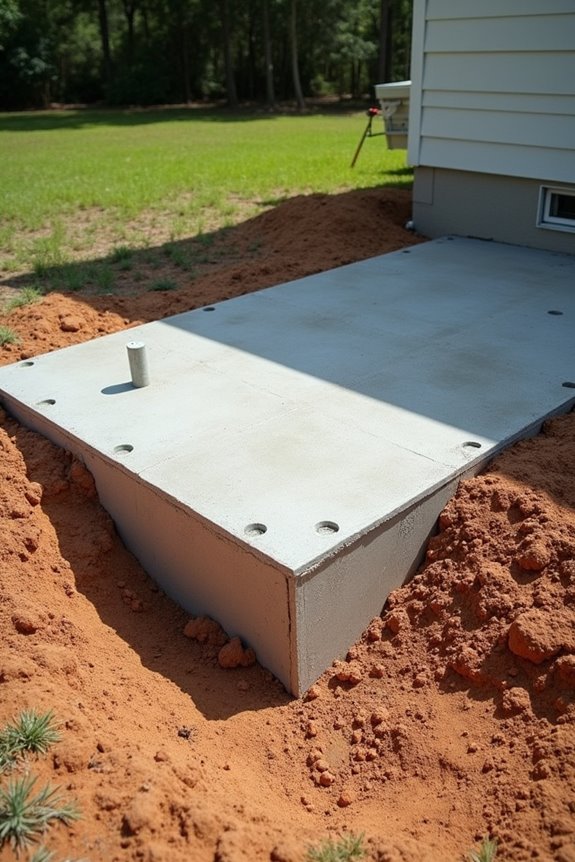
Why do most Florida builders skip the basement entirely and build on raised foundations or concrete slabs instead? I’ll tell you—it’s because these alternatives actually work better for our unique environment. Here’s what makes them superior:
- Minimal excavation reduces the risk of hitting groundwater or limestone bedrock that lurks beneath our soil
- Elevated foundations protect against flood damage and hurricane-related water intrusion while creating valuable storage space underneath
- Concrete slabs provide stable, low-maintenance bases that resist moisture and mold in our humid climate
- Building codes emphasize flood resilience and hurricane resistance, encouraging these non-basement designs
You’re investing in a home that’ll truly stand up to Florida’s challenges. Raised foundations and concrete slabs aren’t just practical—they’re the smarter choice for long-term durability and peace of mind in our climate.
Convert Your Attic Into Extra Storage Space
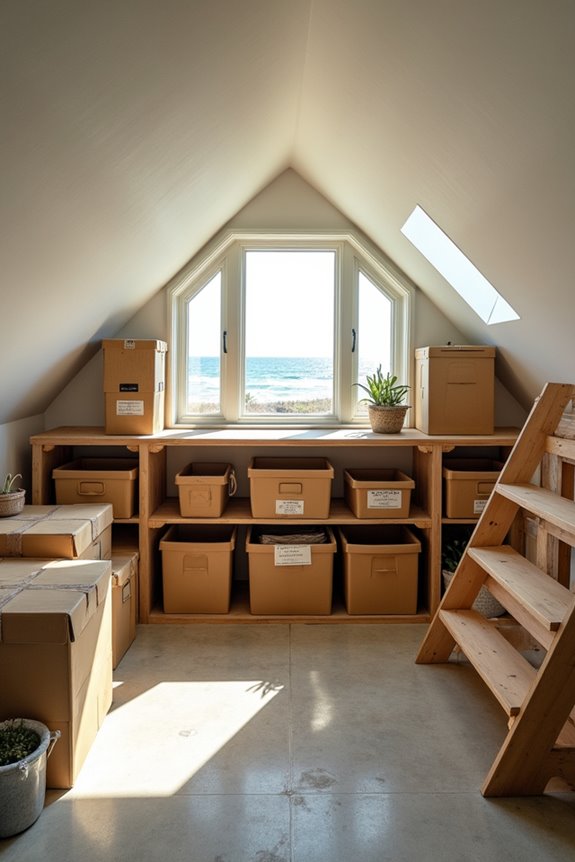
Since Florida builders won’t dig down, they’re building up—and your attic’s already there, just waiting to become valuable storage space. I’ve found that converting attic space beats battling moisture in basements. Sure, Florida attics start small and unfinished, but here’s the thing: you can transform yours into organized storage without massive expense.
| Feature | Challenge | Solution |
|---|---|---|
| Heat | Intense summer temps | Add proper ventilation |
| Humidity | Florida’s moisture | Install climate control |
| Insulation | Poor existing coverage | Upgrade materials |
| Organization | Limited space | Custom shelving systems |
Finishing your attic means managing climate and humidity smartly. I recommend adding insulation and ventilation first. You’ll avoid mold worries that plague below-ground spaces. Your attic becomes functional storage that protects belongings while maximizing the home you’ve already got.
Second-Story Lofts Offer Better Alternatives
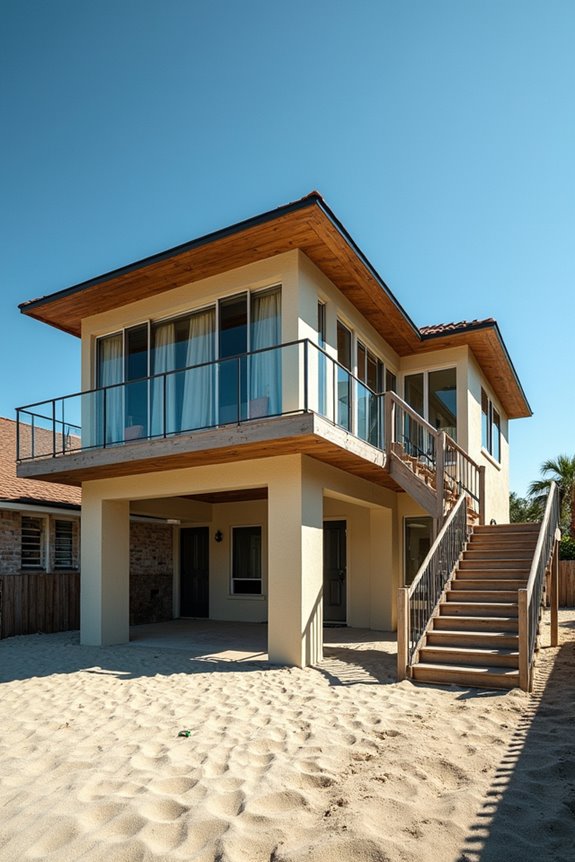
How’d you like to add a whole new room to your home without worrying about water damage or expensive pumps? I’d choose second-story lofts over basements every time in the sunshine state. Here’s why they’re game-changers for Florida living:
- Skip moisture problems entirely since lofts sit above ground level, away from our flood-prone terrain
- Enjoy natural light pouring through windows, creating bright, welcoming spaces instead of dark underground rooms
- Transform flexible spaces into bedrooms, home offices, or living areas—whatever your family needs
- Cut maintenance costs dramatically by avoiding waterproofing demands that basements require constantly
I love how lofts celebrate Florida’s warm climate while giving me genuine extra square footage. You’re not fighting nature; you’re working with it. That’s smart, sustainable living that feels like home.
What Florida Homeowners Should Build Instead
Instead of digging down, Florida builders are getting smarter by building up—and I’m genuinely excited about the designs that actually work with our climate. Elevated foundations lift homes above flood risk while maintaining full living space. Concrete slabs eliminate moisture control headaches that plague basements. Lofts, attics, and second stories deliver the square footage we want without excavation hazards.
| Design Choice | Flood Protection | Moisture Issues | Cost Efficiency |
|---|---|---|---|
| Elevated Foundations | Excellent | Minimal | Higher upfront |
| Concrete Slabs | Very Good | None | Lower initial |
| Attic/Loft Space | Good | Controlled | Moderate |
| One-Story Raised | Superior | Eliminated | Best value |
You’re joining thousands choosing smart alternatives to basements. These approaches align with hurricane-resistant building codes while protecting your investment from Florida’s challenging groundwater and weather patterns.