A finished basement counts as a full story only when it meets building codes: finished walls, seven-foot minimum ceiling height, and above-grade windows or doors for natural light and emergency exits. Without these elements, it’s just usable space beneath your main floor. Walk-out basements often qualify since they offer exterior access and daylight. The distinction matters because it affects your home’s official story count, resale value, and long-term functionality. Understanding these requirements helps you invest wisely before digging deep into excavation and waterproofing costs.
Does a Basement Count as a Story? A Structural Definition
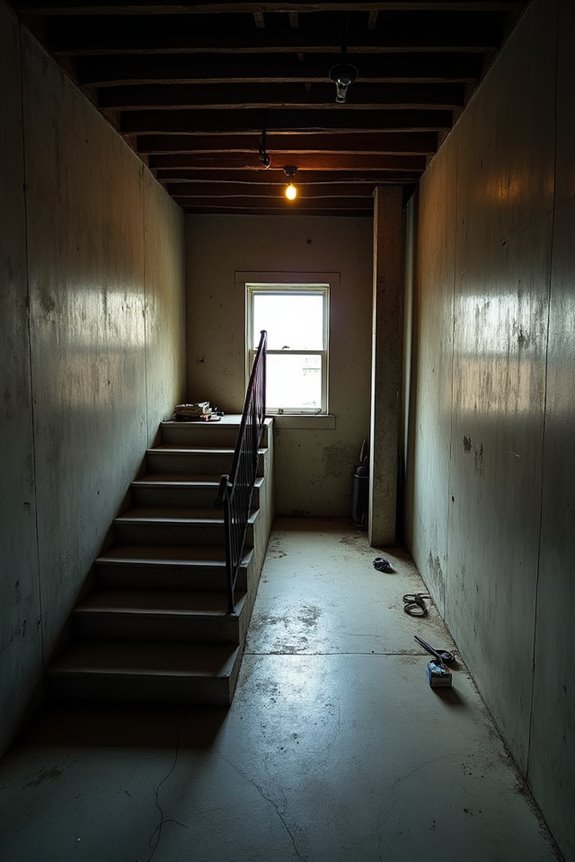
Why does a basement sometimes count as a full story and sometimes doesn’t? I’ve discovered it really depends on what building codes and appraisers in your area require. Here’s the thing: a basement as a story typically needs specific features to qualify. If your basement has finished walls, proper ceiling height (usually 7 feet minimum), and—this is crucial—above-grade windows or doors providing natural light and emergency exits, it might count as a full story. Without these elements, it’s just usable space beneath your main floor. Walk-out basements with exterior access really shine here; they’re often recognized as legitimate stories because they meet those illumination and egress requirements. Foundation depth and concrete wall finishing also matter significantly for this designation.
How Basement and Second-Story Spaces Actually Function Differently
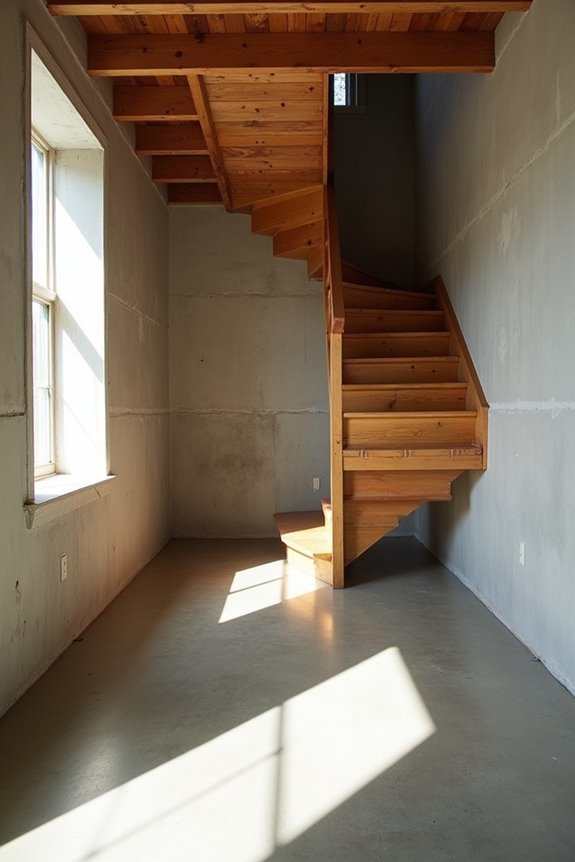
Once you’ve confirmed your basement qualifies as a legitimate story, you’ll quickly discover it operates in a completely different way than a second-story bedroom wing. I’ve learned that basements demand entirely different strategies:
- Moisture control matters most — basements need waterproofing, drainage systems, and moisture-resistant finishes that upper floors simply don’t require
- Light and air work differently — egress windows become safety essentials, not optional features like second-story windows
- HVAC placement shifts dramatically — basements affect how heating and cooling distribute throughout your whole home
Your basement extends usable square footage below grade, fundamentally changing how you arrange utilities and living zones. Meanwhile, second stories naturally cluster bedrooms near main living areas with straightforward stair access. You’re essentially managing two distinct environments within one home—each with its own demands, benefits, and constraints.
Basement vs. Second Story: Cost Comparison
How much you’ll actually spend depends entirely on what’s already beneath your feet—and I’ve found this cost question separates the practical builders from the dreamers.
Basement construction demands serious upfront investment. You’re paying for excavation, foundation work, and concrete—costs that second-story designs completely sidestep. In Southern Utah especially, rocky soils make digging deep expensive. But here’s what I’ve discovered: today’s stable lumber prices make second-story builds surprisingly competitive and predictable financially.
The real twist? A finished basement can eventually justify its higher initial cost through added living space. Yet you’re also tackling water intrusion concerns, radon mitigation systems, and egress requirements—safety expenses that don’t touch second-story projects.
Honestly, slab-on-grade starts cheapest, but that initial savings shrinks once you factor in long-term efficiency and what you’re actually building.
Radon, Moisture, and Safety: Southern Utah Realities
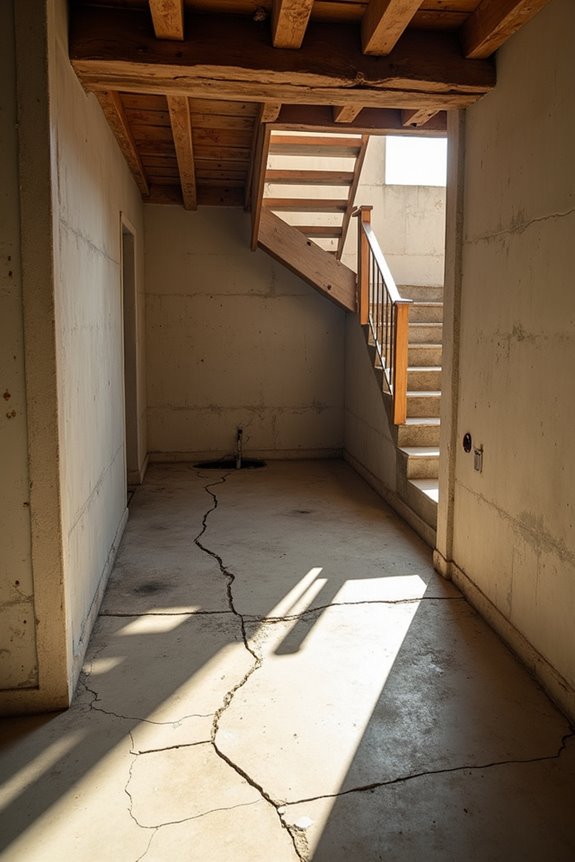
Beyond the financial calculations, basement ownership in Southern Utah brings real health and safety considerations that’ll shape every decision you make—and I’m genuinely passionate about getting these right.
Basement ownership in Southern Utah demands serious health and safety considerations that’ll shape every decision you make.
Here’s what you’re actually dealing with:
- Radon testing is non-negotiable; this naturally occurring gas seeps through foundation cracks and poses serious long-term health risks
- Waterproofing systems and drainage solutions protect your finished space from moisture damage that ruins drywall and flooring
- Egress windows aren’t optional—they’re code requirements that provide emergency exits and ventilation
I can’t stress enough how critical continuous monitoring becomes. You’ll need proper ventilation design and potentially a radon mitigation system installed. These investments protect your family’s wellbeing while preserving your basement’s structural integrity. Southern Utah’s geology makes these considerations essential, not luxuries.
Natural Light and Lifestyle: Basement vs. Upstairs
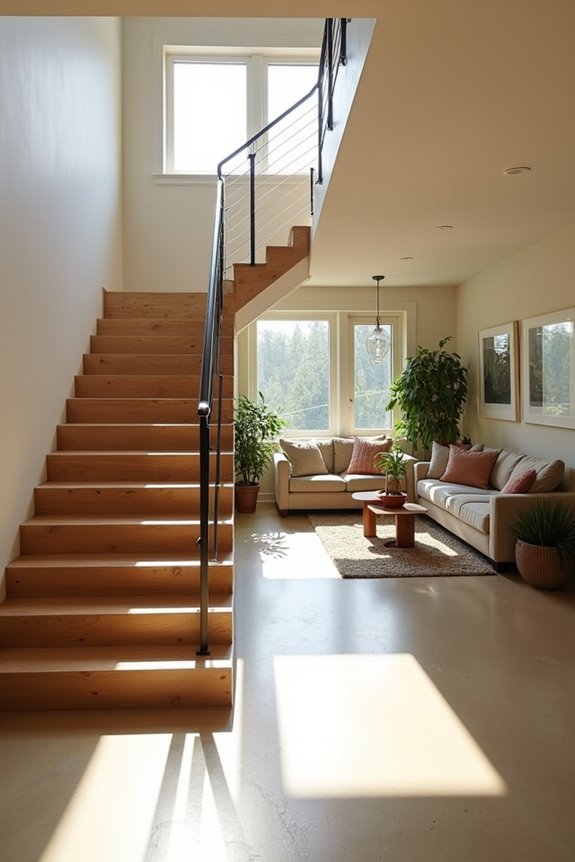
When you’re designing a multi-story home, the dramatic difference between basement light and upstairs brightness really hits home—upper floors flood with natural daylight that energizes your mornings, while basements typically rely on egress windows or light wells that deliver just a fraction of that glow. I’ve found that basements shine (literally!) when you embrace their naturally subdued environment by creating recreation zones, home theaters, or storage areas that don’t demand constant bright light, whereas upstairs spaces naturally support daytime activities like cooking, working, and living where you want that energizing sunshine streaming through larger windows. The real lifestyle magic happens when you stop fighting each level’s strengths and instead plan your daily routines around where the light naturally lives—treating your basement as your home’s cozy, flexible retreat and your upper floors as your vibrant, sun-soaked heart.
Natural Light and Views
Here’s what makes the difference:
- Walk-out basements or view-out designs bring exterior openings that flood lower levels with daylight and outdoor sightlines
- Strategic window placement and light wells create distinct brightness experiences between your levels
- Upper floors benefit from minimal roof overhang interference, letting sunlight penetrate bedrooms naturally
I’ve watched how natural light shapes mood and energy use across different levels. Basements need intention—perhaps egress windows or thoughtful design—but they’re totally doable. The contrast between bright upstairs living and strategic basement lighting creates this awesome dynamic that honestly makes your whole home feel intentional and alive.
Basement Darkness and Alternatives
The real challenge with basements isn’t that they’re inherently gloomy—it’s that most folks treat them like caves when they don’t have to. I’ve discovered that basement darkness transforms completely with the right approach. Egress windows—those larger, angled basement windows—flood spaces with natural light while meeting safety codes. Window wells and walk-out designs work beautifully too. Here’s what genuinely excites me: light-colored finishes reflect every precious ray of daylight, creating brightness you’d think impossible underground. I’ve also found that moving bedrooms upstairs maximizes sunlight exposure where it matters most. Glass garage doors blur indoor-outdoor boundaries elegantly. These alternatives don’t just brighten your basement—they fundamentally reshape how your family experiences your entire home.
Lifestyle Impact by Level
Why does natural light matter so much when you’re deciding where your family actually lives in your home?
I’ve learned that basement layout and light distribution fundamentally shape how your household functions. Here’s what I’ve discovered:
- Upper floors become gathering spaces because stronger daylight exposure naturally draws everyone there for homework, meals, and connection
- Basements work best as dedicated zones like recreation rooms or home offices where controlled acoustics and privacy matter more than sunshine
- Walk-out windows transform everything by bringing natural light into lower levels, making them feel connected rather than isolated
Your basement doesn’t need darkness. Strategic placement of windows and thoughtful room planning mean you’re not sacrificing lifestyle. I’ve found families thrive when they match each level’s strengths to their actual daily routines. Upper bedrooms feel calmer for sleeping. Basement spaces become intentional retreats rather than forgotten storage areas.
Making Your Choice: Decision Framework for Southern Utah
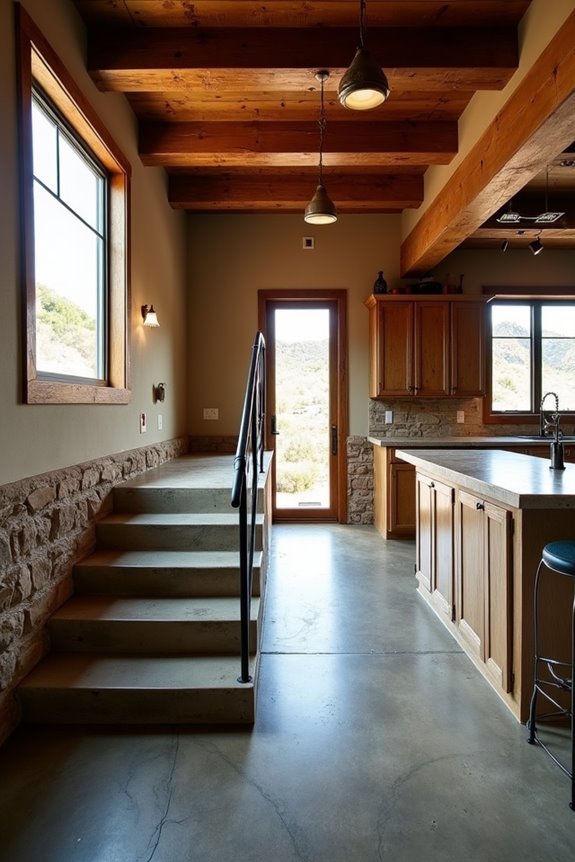
When you’re standing on your Southern Utah lot, deciding between digging down or building up, you’re really weighing two completely different construction challenges—and that’s where getting specific matters. Basement costs spike when rocky soil demands serious excavation work, plus concrete and waterproofing eat up your budget fast. Second stories? They’re more predictable now because lumber prices have stabilized, making framing and roofing costs easier to forecast. But here’s what I’d tell you: skip the guessing game. Talk directly with local builders who know your exact soil conditions, local building codes, and what buyers actually want in your neighborhood. They’ll show you real numbers for your property, not generic estimates. That conversation transforms your decision from nerve-wracking to genuinely confident.
Understanding Long-Term Basement Viability in Your Home
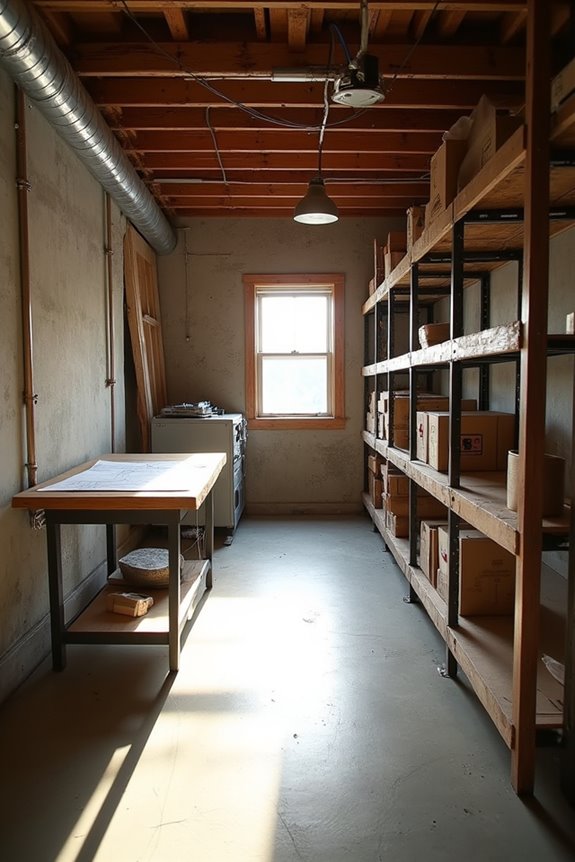
I’ve learned that basement viability isn’t just about whether it exists—it’s about whether it’ll work for you long-term. Here’s what matters most:
- Waterproofing and drainage systems that keep moisture out year-round
- Radon testing and mitigation to ensure safe air quality for your family
- Foundation wall condition affecting usability and future expansion potential
Southern Utah’s climate and local building codes shape how your basement performs over decades. You’re investing in durability when you address these factors upfront. Quality waterproofing, proper ventilation, and soil assessment aren’t optional add-ons—they’re foundational to keeping your basement functional and valuable. Your future self will thank you for getting this right today.