
Most walls need two coats of paint for that professionally finished look you’re after. Here’s why: one coat almost always leaves streaky, uneven coverage that’ll drive you crazy when light hits it wrong. I’d use a quality primer first—it seals porous surfaces and reduces absorption, so your topcoats stick better and cover more evenly. Premium paint applied in thin, even layers works smarter than thick globs. Dark colors or major shade changes? You’ll likely need three coats total. Test small patches under different lighting before committing to your whole room—it’s the smartest move you’ll make.
Why Two Coats Work Best
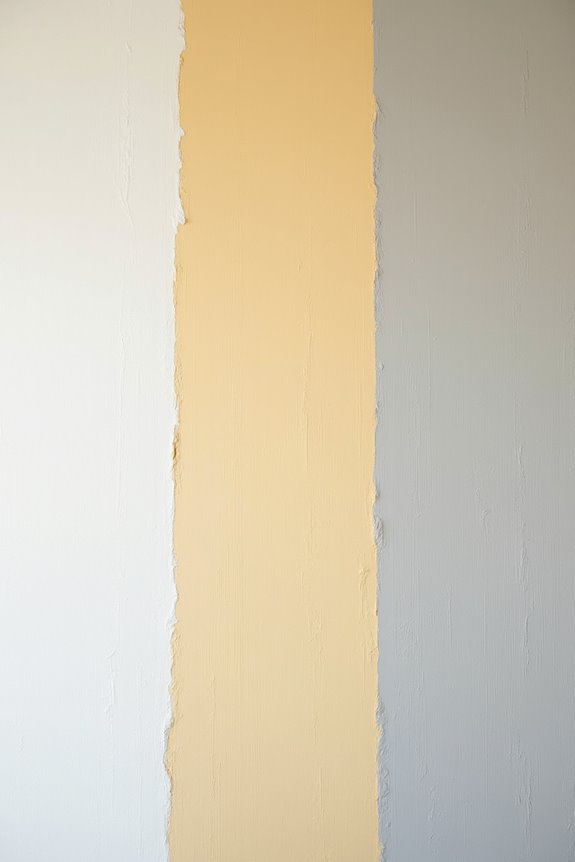
Why settle for a thin, patchy finish when you’re already investing time and effort into your project? I’ve discovered that two coats create the color depth and evenness that one thick coat simply can’t deliver. Here’s what makes this approach work: two thin coats dry faster than one heavy one, letting you build coverage gradually without visible flaws. The second coat strengthens adhesion, especially when shifting to darker shades. Adding primer first seals porous surfaces, meaning your topcoats work harder and last longer. That’s genuine durability. Testing on multiple walls under different lighting confirms your two coats look perfect before committing to the whole room. You’re not just painting—you’re creating a finish you’ll genuinely love living with.
How Surface Condition Changes Your Coat Count
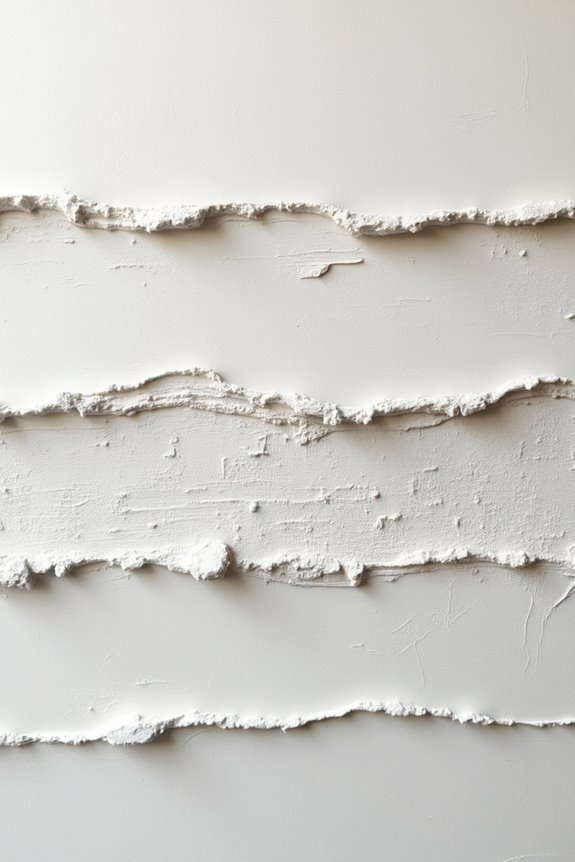
How’d you know if your wall’s ready for paint? Check your surface condition first—it’s genuinely the game-changer. New drywall demands two primer coats before your coats of finish paint because it’s so porous it’ll absorb everything unevenly otherwise. Previously painted walls? Usually one primer coat does it. But here’s where texture matters: rough, damaged surfaces need extra attention. Porous surfaces and stained walls are honestly trickier—they demand stronger primer to prevent bleed-through and patchiness that’ll drive you crazy later. Uneven or textured walls benefit hugely from primer creating that consistent base layer. I’m telling you, assessing your wall’s actual condition upfront saves frustration and money. Better primer investment now beats disappointing results after.
When One Coat Is Enough (and When It Isn’t)?
Can you really get away with just one coat of paint? Sometimes, but here’s the real talk: it depends on your specific situation.
| Scenario | Coats Needed | Why |
|---|---|---|
| Same color, prepped walls | 1-2 | Existing color helps coverage |
| Color changes | 2-3 | New shade needs depth |
| Dark over light | 2-3 | Bold colors require more |
| Bare surface | 2+ primer | Primer reduces topcoats needed |
I’ve learned that testing in a small area under different lighting reveals the truth. When you’re making dramatic color changes or covering dark over light situations, two coats become your minimum. Adding primer first? That’s your undercover asset—it lets your finish coat work smarter, not harder. Your test area never lies about what you’ll actually need.
How Primer Reduces Coats Without Extra Steps
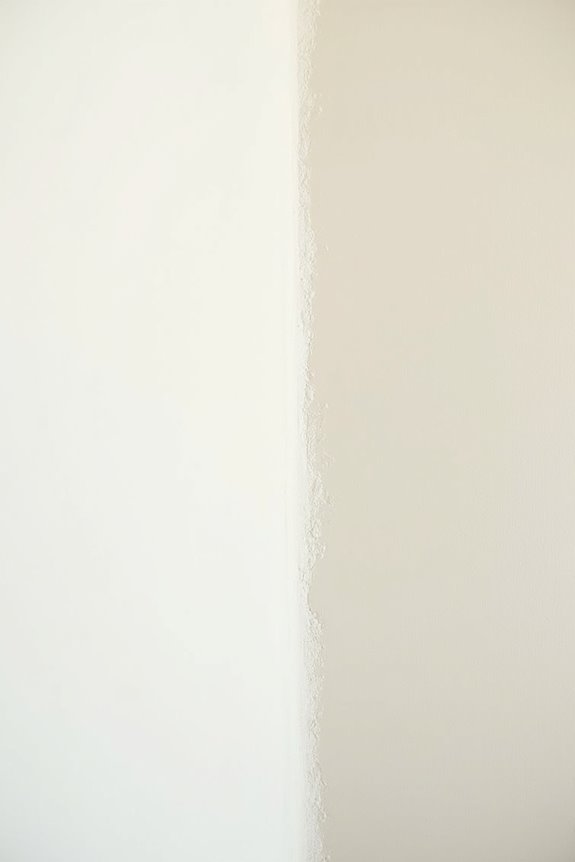
Before you roll that paint onto your walls, I’ll let you in on a game-changer: primer is basically your shortcut to professional-looking results without the endless coats. Here’s the thing—primer seals porous surfaces and stops excessive absorption, which means your topcoat actually does its job better. I’ve learned that one coat of primer followed by two coats of paint delivers consistent coverage on new walls or when you’re switching colors dramatically. Drywall primer prevents that uneven, blotchy appearance called flash-through. Even better, tinting your primer light gray boosts coverage, potentially cutting your total coats needed. With stain-blocking primers handling those stubborn marks, you’re avoiding extra topcoats altogether. That’s genuine efficiency—primer reduces coats without adding frustrating steps.
Paint Quality and Application Technique That Work Smarter
Getting primer right sets you up for success, but here’s where most people stumble: they grab whatever paint’s on sale and wonder why they’re applying coat after coat after coat. Premium paint actually changes the game. Quality topcoats deliver better coverage with fewer coats, saving you time and money. When you apply thin, even coats—not thick globs—you’ll notice the difference immediately.
Here’s my trick: I always test patch on different walls under various lighting before committing. This reveals exactly how many coats you’ll need for true coverage. Two coats of paint typically handles most situations beautifully when combined with proper primer and technique.
The real win? Better paint adhesion and durability. You’re not just painting walls; you’re building something that lasts. That’s worth celebrating.