
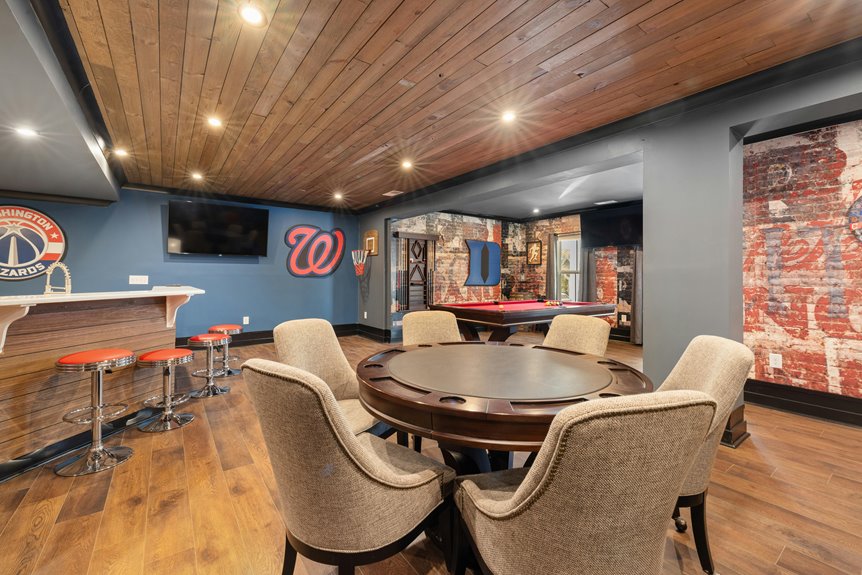
A basement’s one or more floors built entirely or partly below ground level. You’ll find concrete floors, sturdy foundation walls, and typically around 8 feet of headroom for comfortable movement. Unfinished basements store stuff and house utilities like furnaces. But here’s where it gets exciting—finished basements transform into genuine living spaces! With proper moisture control, vapor barriers, and dehumidification, you can create home offices, guest suites, or creative studios. The real game-changer? Understanding your climate, soil type, and foundation determines whether your basement becomes an amazing asset or a costly headache.
What Exactly Is a Basement?
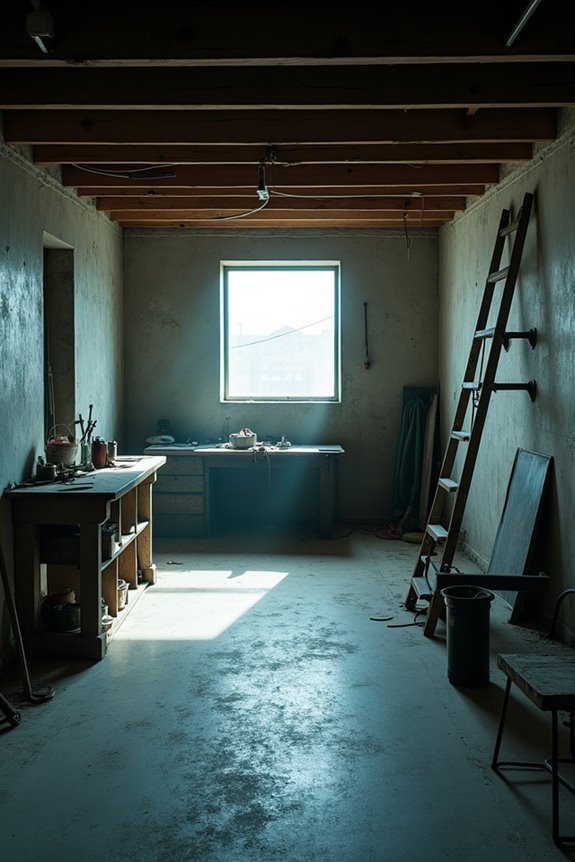
Let me break down what makes a basement so fundamental to how a house works. A basement is one or more floors that sit entirely or partly below ground level, featuring concrete floors and sturdy foundation walls. You’ve got options here—finished basements transform into actual living space, while unfinished ones handle storage and utilities. I find daylight basements particularly clever because they’re partially above ground with windows that flood spaces with natural light. Walk-out basements give you an exterior door leading outside, which feels amazing for accessibility. Crawl spaces, those cramped areas under four feet high, primarily access utilities rather than serve as living areas. In cold regions, basements sit below the frost line, stabilizing your heating costs through earth sheltering. They’re honestly game-changers for any home’s functionality and value.
How Climate and Soil Type Determine Basement Feasibility
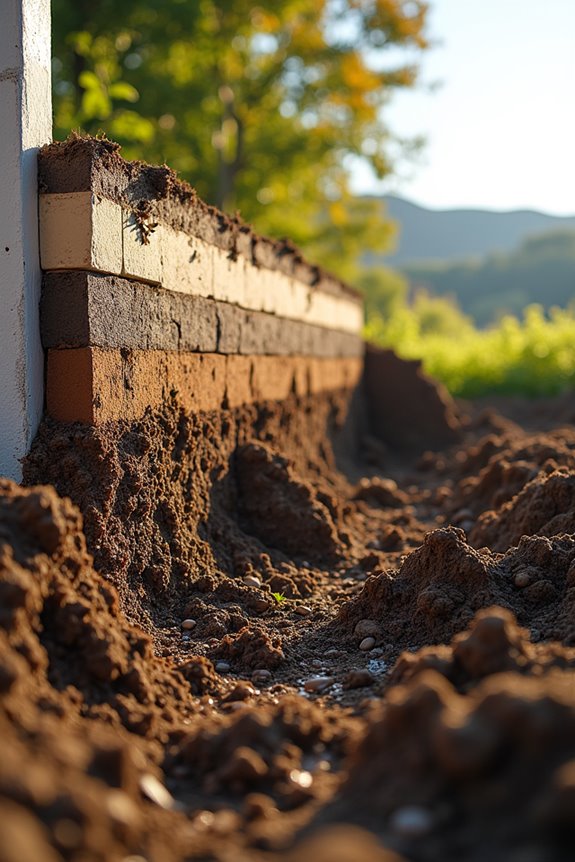
I’ve got to tell you—where you live absolutely shapes whether a basement makes sense for your home! Your climate and soil type are like the foundation’s best friends or worst enemies: frost-prone regions like the Midwest need basements to dig below the frost line (typically 3-4 feet down), while wet climates with high water tables fight against it. Here’s the thing that blew my mind—Texas barely has basements because that clayey soil absorbs moisture like a sponge, causing serious wall damage, proving that local conditions aren’t just preferences, they’re deal-breakers.
Climate Impact on Basement Viability
Why do basements thrive in Minnesota but struggle in Ireland? Climate and soil conditions dramatically shape basement viability. In cold regions like the American Midwest, basements aren’t optional—they’re essential. Frost lines, the depth where soil freezes, demand foundations extending 48 to 60 inches below ground. That’s why you’ll find full basements standard there.
Wet climates tell a different story. Britain and Ireland experience higher flood risk, making basements impractical for small buildings. Meanwhile, soft, easily excavated soils in some areas make basement construction straightforward and affordable. But compact, clay-heavy soils? They resist digging and drive costs up dramatically. High water tables in places like Texas create structural nightmares. Understanding your local climate and soil type isn’t just smart—it’s foundation-critical for determining whether a basement makes sense for your home.
Soil Composition and Excavation Feasibility
How deep your excavator can dig—and how much you’ll pay for the privilege—comes down to what’s actually under your feet. Soft soils? You’re golden. They excavate easily, keeping costs reasonable and timelines manageable. But compact, dense soils? That’s where expenses climb fast. Hard clay or rocky ground demands specialized equipment and expertise, sometimes doubling your budget.
Here’s what matters: soil type directly impacts basement feasibility. In cold regions, you’re digging below the frost line anyway—that critical depth where soil won’t heave and crack your foundation during freeze-thaw cycles. Warm climates skip this requirement entirely. Understanding your specific soil composition before breaking ground saves headaches, money, and those frustrating mid-project surprises. Know your ground, and you’ll know your basement’s true potential.
Where Basements Are Common: Regional Climate and Code Factors
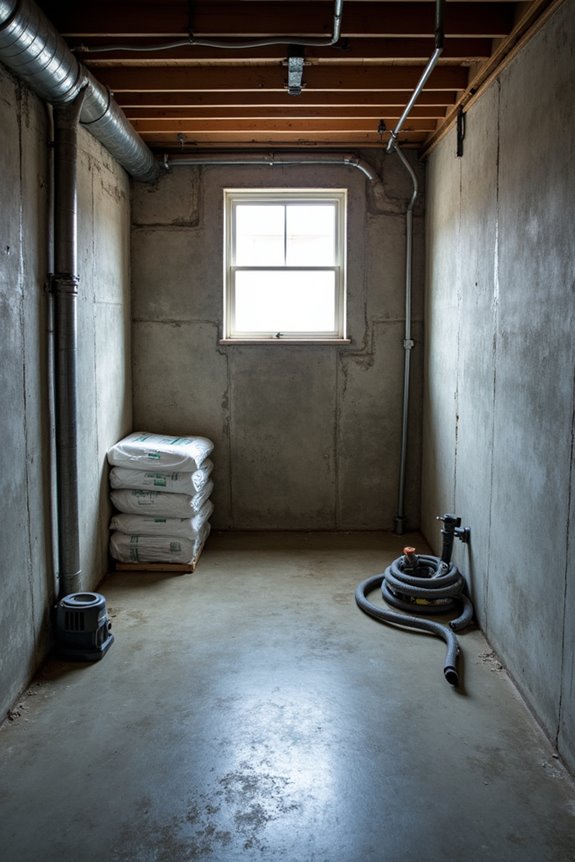
I’m thrilled to show you how basements aren’t equally practical everywhere—your climate zone and local building codes are the real deciding factors! Whether you’re in the frozen Midwest where frost lines can drop 4-5 feet deep, or in wet climates like Britain where flooding poses serious risks, your region’s weather patterns literally shape whether basements make sense for your home. Let me walk you through how these regional differences create vastly different basement opportunities and requirements across North America and beyond.
Climate Zones And Feasibility
Cold climates like the Midwest and Canadian Prairies practically demand basements because frost lines—the depth where soil freezes—require foundations built deep underground to prevent dangerous thaw damage. I’ve seen how this necessity becomes an asset there.
But here’s where it gets tricky: your soil conditions and climate work together. Texas and warm, wet regions struggle with basement viability because clayey soils and high water tables invite flooding headaches. Britain and Ireland face similar challenges with moisture.
The real magic? When your local climate and soil conditions align perfectly, basements transform from practical necessities into genuinely valuable living spaces that boost your home’s worth and comfort.
Building Codes By Region
Where you live literally determines whether your home can even have a basement—and that’s thrilling when you understand why.
Building codes by region-specific regulations shape everything about basement feasibility. Here’s what I’ve discovered matters most:
- Frost lines – Midwest and Canadian homes require foundations below the frost line, making basements standard practice
- Flood risk zones – Britain and Ireland discourage basements in smaller buildings due to water damage concerns
- Warm climate exceptions – Florida and Texas rarely mandate basements since frost isn’t an issue, making them financially unnecessary
- European traditions – Continental houses commonly feature cellars, though apartment living dominates the landscape
Your region’s building codes directly influence whether basements become practical investments or impossible dreams. I find it remarkable how geology and climate literally rewrite construction rules. Understanding these basements regulations helps you appreciate why your neighborhood looks the way it does.
Four Main Types of Basements Explained
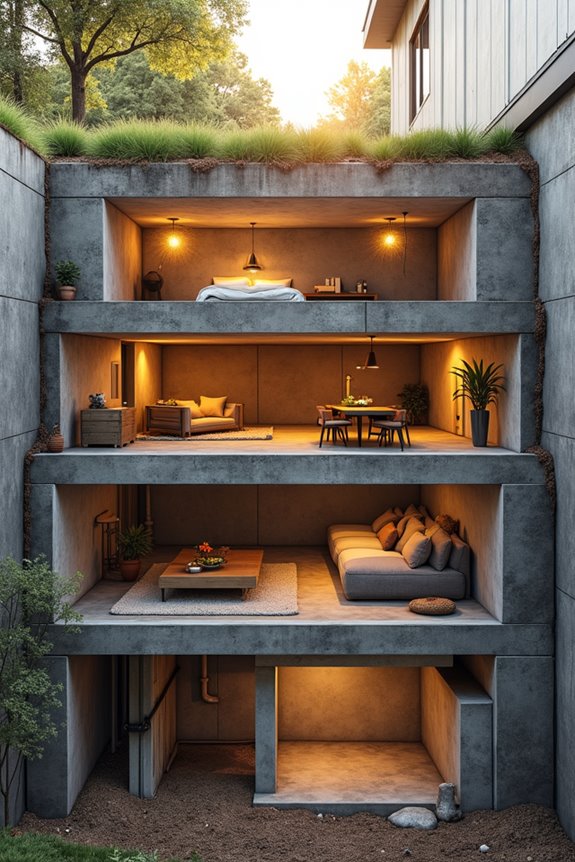
Because basements come in so many different styles and sizes, understanding their key differences helps you figure out which type might work best for your home. I’m excited to break down the main basement types for you!
Full basements sit entirely underground with minimal natural light—they’re perfect for storage and utilities. Daylight basements are partially below ground with one side exposed to windows, making them ideal for livable spaces you’ll actually enjoy. Walkout basements are my favorite because they’re built on slopes with exterior doors opening directly outside, genuinely expanding your usable square footage.
Then there’s crawl space—that tight, under-4-foot area accessing pipes and systems. It’s not for living!
Each basement type serves different purposes. Finding yours means discovering possibilities for your home that feel authentically right.
How Basements Are Built: Foundation Depth, Headroom, and Supports
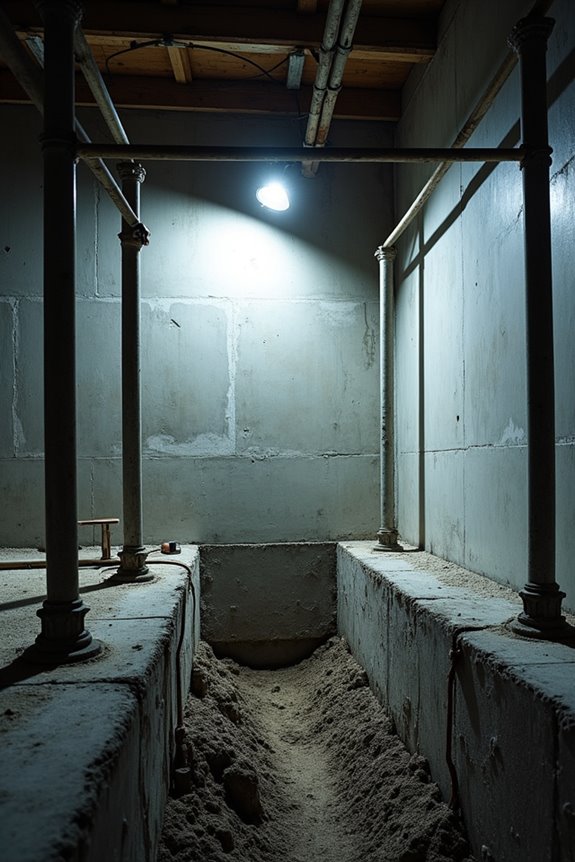
Now that you’ve discovered which basement type fits your home, let’s talk about how they’re actually built—because the foundation work is where everything starts!
I’m excited to walk you through the essential components that make basements structurally sound:
- Foundation depth – Footings dig below the frost line, typically 3-4 feet down, preventing shifting and damage from freezing soil
- Basement walls – Contractors pour concrete or stack concrete blocks, creating durable barriers against moisture and pressure
- Headroom height – You’ll get roughly 8 feet of clearance, perfect for comfortable movement and future finishing projects
- Support columns – Lally columns or posts hold up your main floors, distributing weight evenly across the basement space
These elements work together, creating a solid foundation that supports your entire home. Understanding this construction gives you confidence knowing what’s holding everything up above your head!
Finished or Unfinished? Choosing Your Basement’s Purpose
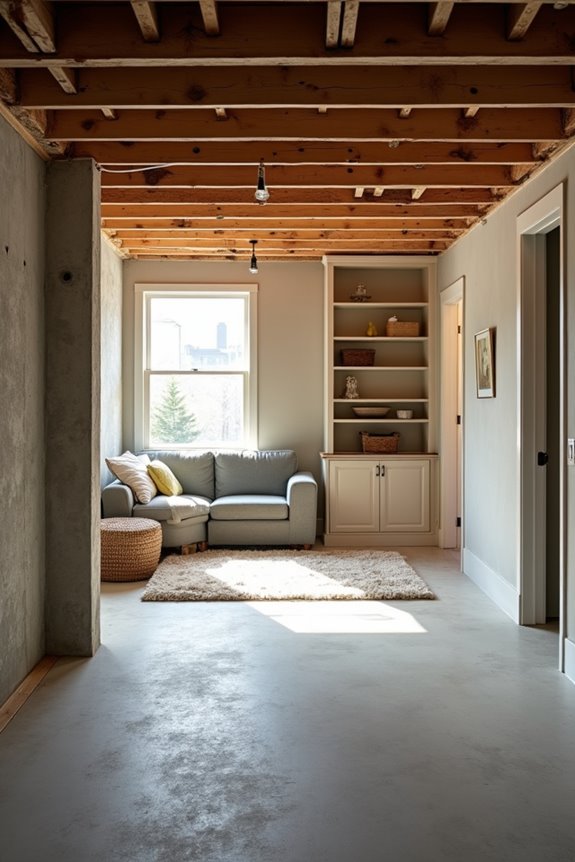
When I think about my basement, I’m really asking whether I want a finished living space like a gym or guest bedroom, or if I’ll keep it unfinished for utilities like my water heater and electrical panel. Here’s the thing: finishing a basement means I’ve got to tackle serious moisture management—think vapor barriers, maybe a dehumidifier running year-round, and solid ventilation—because even at a standard 8-foot ceiling height, any dampness turns into mold trouble fast. My choice between finished and unfinished basically comes down to how much I’m willing to invest in climate control and insulation to make that below-ground space truly livable.
Living Space Potential
Have you ever wondered what your basement could become? I’ve discovered that transforming this space into a basement living space opens exciting possibilities for your home.
Here’s what makes the difference:
- Natural light access – Daylight/walk-out designs let sunshine flood your space, making it feel less cave-like and genuinely inviting
- Moisture control essentials – Vapor barriers and dehumidifiers protect your investment from dampness that ruins everything
- Ceiling height reality – My 7.5-foot ceilings work perfectly for family rooms without feeling cramped
- Proper ventilation – Fresh air circulation transforms stuffy corners into breathable living areas
I’ve learned that moisture control isn’t optional—it’s your foundation’s best friend. When you nail these elements, your basement stops being just storage and becomes real livable square footage your family actually uses and enjoys together.
Moisture Management Priorities
Why does moisture management matter more than anything else when you’re deciding whether to finish your basement? Because water is your biggest enemy down there. I learned this the hard way—moisture creeps in through walls, pools on floors, and creates the perfect environment for mold. That’s why I installed vapor barriers, which are plastic sheets that stop moisture from rising through concrete. I also added a sump pump, this lifesaving device that automatically removes standing water before it causes damage. These moisture-control strategies aren’t optional; they’re essential whether you’re finishing the space or leaving it unfinished. Your basement’s success depends on keeping water out. Get this foundation right, and you’ll feel genuinely proud of your space for decades.
Basement Living Spaces: Home Offices, Guest Suites, and Workshops
How’d you like to unleash an entirely new floor of possibilities in your home? I’m genuinely excited about transforming basement living spaces into functional areas that work for your lifestyle.
Here’s what makes a finished basement amazing:
- Home offices with proper insulation and ventilation keep you focused and comfortable during work hours
- Guest suites offer visitors their own private retreat with egress windows for safety
- Workshops give you dedicated space for hobbies without cluttering main living areas
- Creative studios become sanctuaries where you’ll actually want to spend time
Before diving in, I’d prioritize moisture control—it’s non-negotiable. Install vapor barriers, ensure proper drainage around your foundation, and consider a dehumidifier. These steps protect your investment and your health.
Ceiling height matters too. Most building codes require at least 7 feet, which I’ve found makes spaces feel genuinely livable rather than cramped. Check local permits before starting. Your basement transformation awaits!
Basement Moisture Control and Drainage Solutions
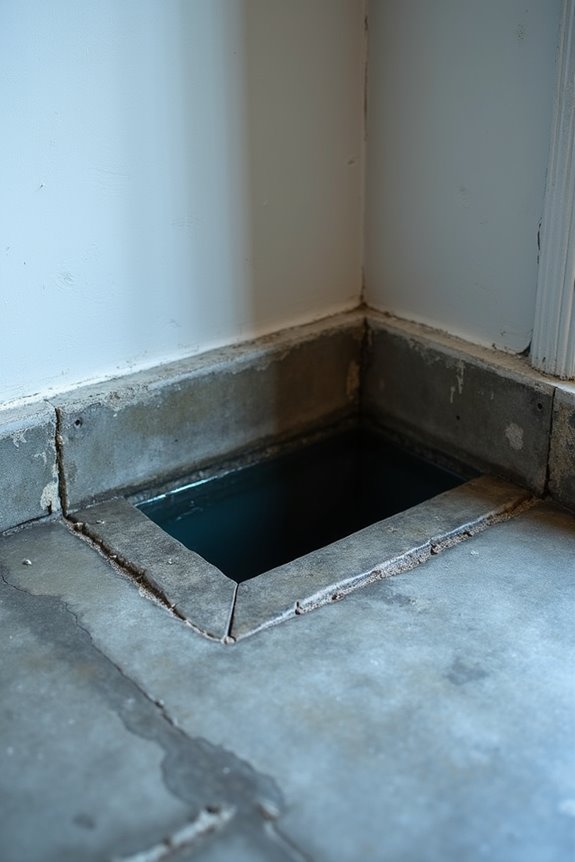
When moisture creeps into your basement, it doesn’t just feel damp—it invites mold, damages your walls, and can ruin everything you’ve worked to build down there. That’s why I’m passionate about moisture control, and you should be too. Vapor barriers—those plastic sheets laid across your floor—stop groundwater from rising up. Drainage systems channel water away from your foundation before it becomes a problem. Sump pumps actively remove water that does seep in. I’ve seen finished basements transform when people combine these solutions: proper waterproofing seals cracks, extended HVAC keeps humidity down, and dehumidifiers catch condensation. It’s genuinely satisfying watching a space go from musty to fresh. You’re protecting your investment and creating a space your family actually wants to spend time in.
Six Common Basement Problems and Prevention Strategies
Because basements live below ground level, they’re naturally prone to specific problems that can sneak up on you if you’re not paying attention. I’ve learned that understanding these common issues helps me protect my investment and keep my space healthy.
Here’s what I watch for:
- Basement moisture – Humidity creeps in from soil surrounding your foundation, creating dampness that encourages mold growth
- Water intrusion – Cracks in walls or floors allow groundwater to seep inside, especially during heavy rains
- Structural issues – Pressure from soil and water weakens concrete over time, causing settling or bowing walls
- Poor drainage – Inadequate grading around your home directs water toward your foundation instead of away
I’ve found that proper drainage solutions, sealants, and dehumidifiers make tremendous differences. Staying proactive about these challenges transforms your basement from a problem area into a reliable space you’ll genuinely enjoy using.
Budget, Timeline, and Permits: Planning Your Basement Project
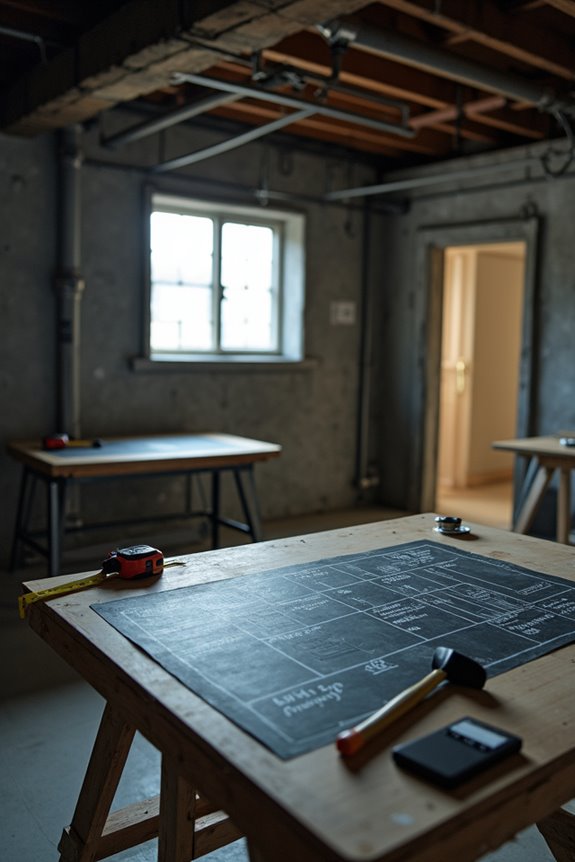
Where do you even start when you’re ready to transform your basement into something amazing? I’d recommend tackling three things simultaneously: budget, timeline, and permits.
First, establish your budget. A basement finished project varies wildly—basic updates might run $10,000–$15,000, while comprehensive renovations easily exceed $50,000. Factor in those utilities already lurking down there: your furnace, water heater, breaker panel.
Next, create a realistic timeline. Most basement finished conversions take three to six months, depending on complexity. Don’t rush this—quality takes time.
Finally, investigate permits. Your local building department requires permits for most basement work, ensuring everything meets safety codes. This protects you and your investment.
Start with these three foundations, and you’ll feel genuinely confident moving forward with your transformation.
Does Your Home Need a Basement? A Cost-Benefit Framework
Should you seriously consider adding or finishing a basement? I’d evaluate this honestly using a cost-benefit framework that weighs your specific situation. Here’s what matters most:
- Climate fit – Do you live where frost lines run deep or tornado risks are real? Midwest and northern homeowners gain serious value; southern regions often face moisture control challenges that drain budgets.
- Foundation type – Full basements work beautifully with proper construction, but crawl spaces or daylight basements suit different homes and wallets differently.
- Moisture reality – Factor in dehumidification systems, vapor barriers, and sump pumps. These aren’t optional extras; they’re baseline costs for preventing mold and water damage.
- Living space ROI – Finished basements add square footage and resale appeal, but only if moisture control gets done right first.
Your region, soil conditions, and budget ultimately decide whether a basement truly makes sense.