
Your basement needs to stay between 30–50% relative humidity—I can’t stress this enough. Anything higher invites mold, musty smells, and wall damage that’ll drain your wallet fast. Grab a digital hygrometer to check weekly; they’re cheap and accurate. This sweet spot protects your foundation, keeps your air breathable, and saves you from costly repairs down the road. The moisture sources lurking in your basement are sneakier than you’d think, though.
The Ideal Basement Humidity Range: 30–50
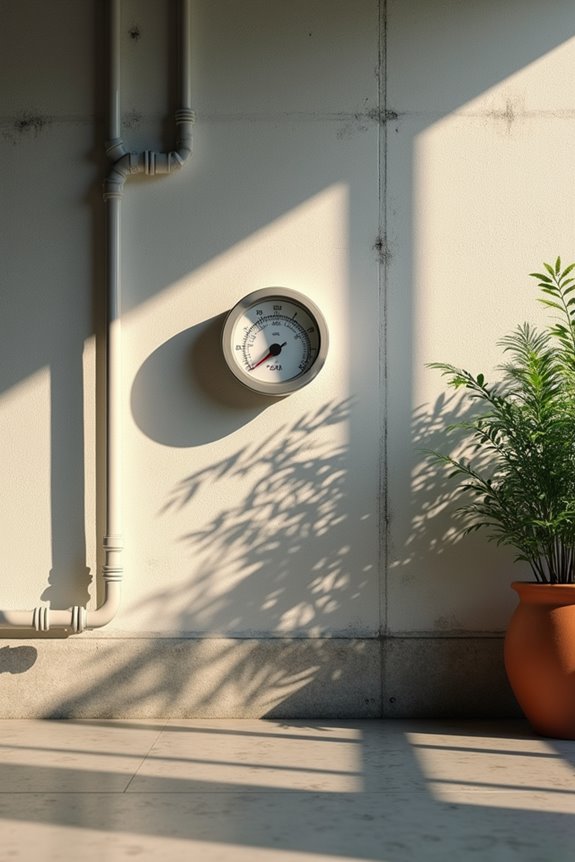
Why does basement humidity matter so much? I’ve learned that maintaining your basement humidity between 30–50% relative humidity is genuinely transformative for your home’s health. This ideal humidity range is your foundation for serious moisture control and mold prevention. When I keep my basement moisture levels in check, I’m protecting my family’s indoor air quality and preventing costly damage. Above 50%, you’re inviting mold and moisture problems. Below 30%, you’ll notice gaps forming in wood and stored items getting damaged. I track my humidity levels religiously because this moisture prevention strategy saves me thousands in repairs. Finding that sweet spot feels rewarding—it’s like solving a puzzle that protects everything I care about. Your basement’s baseline humidity directly impacts your entire home’s structural integrity and safety.
Where Is Your Basement’s Moisture Coming From?
How much moisture is actually creeping into your basement right now? You’d be surprised! Soil moisture seeping through foundation cracks and poor drainage creates persistent dampness. Leaky pipes, water heaters, and washers add moisture directly into your space. Clogged gutters and downspouts force water to pool around your foundation, increasing water intrusion and mold risk. Inadequate ventilation traps humid air, making condensation harder to control. Even routine activities like laundry and showering contribute moisture that lingers without proper airflow.
I’ve found that identifying your specific moisture sources is key to managing basement humidity effectively. Check your gutters first—they’re usually the culprit! Then inspect foundation walls for cracks and leaks from pipes. Once you’ve pinpointed where moisture enters, you’re ready to tackle solutions that work.
How to Spot High Humidity Before It Becomes a Problem
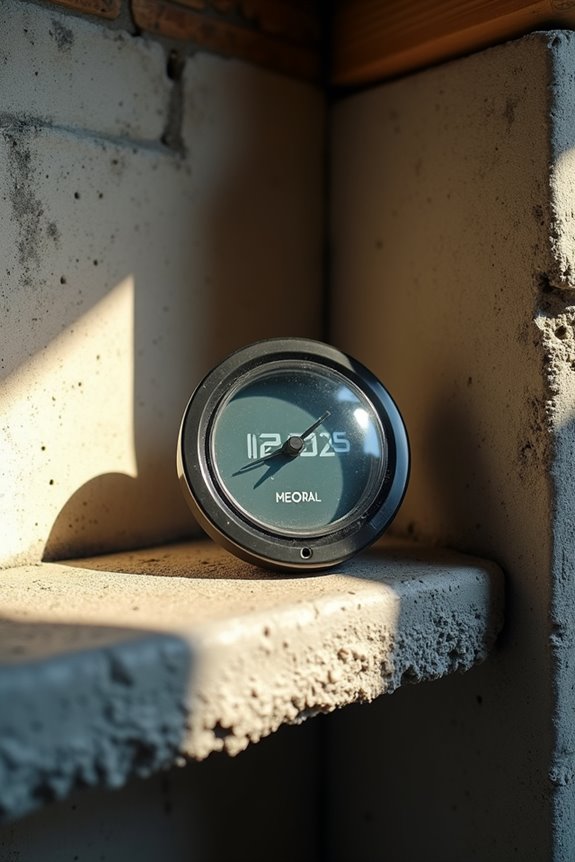
Once you’ve tracked down where your moisture is sneaking in, the next step is catching humidity problems early—before they spiral into mold and structural damage. I’ve found that spotting warning signs saves time and money. Your nose often catches musty odors first. Then you’ll notice condensation on windows, discolored walls, and peeling paint. These visible clues tell you basement humidity has climbed above 50%.
| Warning Sign | What It Means |
|---|---|
| Musty odors | Mold growth starting |
| Window condensation | High moisture levels |
| Discolored walls | Water damage present |
| Peeling paint | Excessive basement humidity |
A digital hygrometer becomes your best friend—it measures moisture levels precisely. I check mine weekly. Fixing leaks, improving drainage, and running a dehumidifier work together to control basement ventilation. You’ll feel proud catching problems before they worsen!
Eight Solutions to Lower Basement Humidity: From Quick Fixes to Major Upgrades
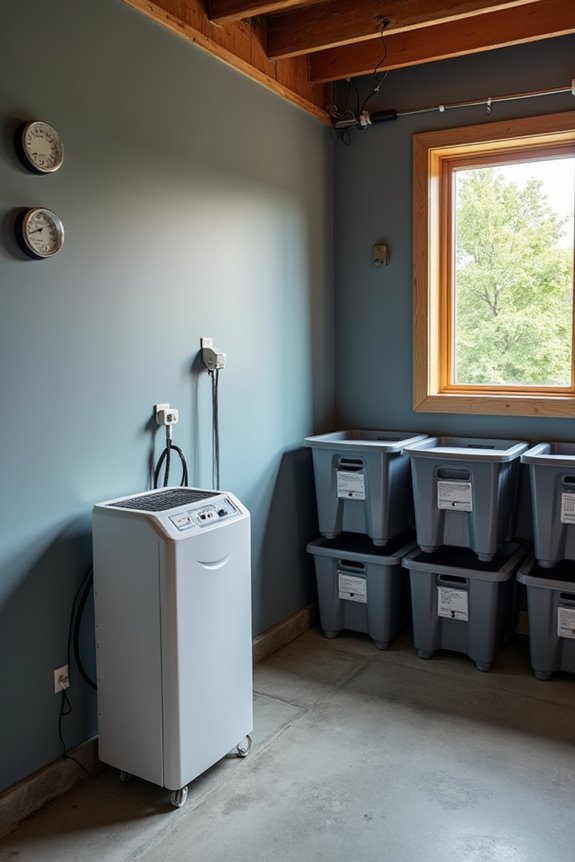
Since you’ve spotted those warning signs—musty smells, condensation, peeling paint—it’s time to actually fix the problem, and I’m genuinely excited to walk you through eight solutions that range from quick afternoon projects to bigger investments.
You’ll want to start with the fundamentals: sealing cracks in your foundation stops moisture at the source, while improving drainage around your home’s perimeter prevents water from pooling near walls. Then comes the dehumidifier—your moisture control workhorse—targeting that ideal 30%–50% humidity level for mold prevention and air quality.
For serious situations, consider a sump pump to handle groundwater, combined with a comprehensive moisture management plan. These solutions work together beautifully, transforming your basement into a genuinely dry, healthy space you’ll actually enjoy spending time in.
When Professional Help Is the Right Call
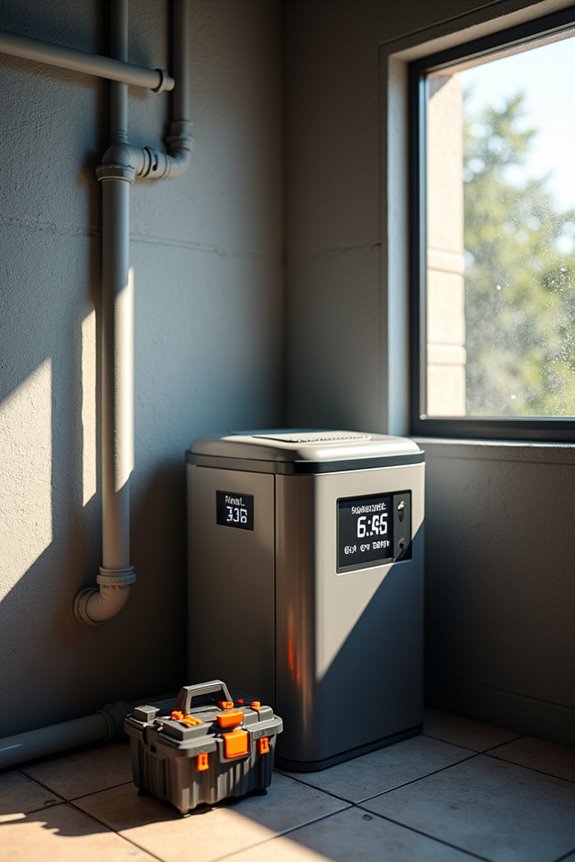
You’ve tackled the basics—sealed those cracks, cleared your gutters, maybe even bought a dehumidifier—but something still isn’t working. That’s when calling a professional becomes your smartest move.
I recommend getting expert help when basement humidity persists above 60% despite your dehumidification efforts, or when you spot visible mold and water intrusion. Unclear moisture sources? A professional identifies root causes preventing recurrence. They’ll assess whether drainage issues or structural problems lurk beneath the surface.
For major upgrades like whole-house ventilation or advanced sump pump systems, professional sizing ensures proper installation. Similarly, window replacements or insulation work affecting moisture management deserve expert evaluation. Don’t let persistent problems frustrate you—professionals bring specialized knowledge, preventing costly mistakes and protecting your home’s integrity.